Custom Window Pricing Explained: How Much Do uPVC and Aluminium Windows Cost in 2026?
- Share
- publisher
- ROPO Windows
- Issue Time
- Sep 3,2026
Summary
Window prices in 2026 vary widely because every custom unit is built to order, but the cost is driven by a small, predictable set of factors. This guide explains how uPVC and aluminium window pricing works: frame material, glazing, hardware, size and wind-load rating, certification (AS2047, NZS4211), and quantity. It compares uPVC versus aluminium lifetime costs, decodes quotations, MOQ and shipping, and shows what to prepare for an accurate custom window quote.
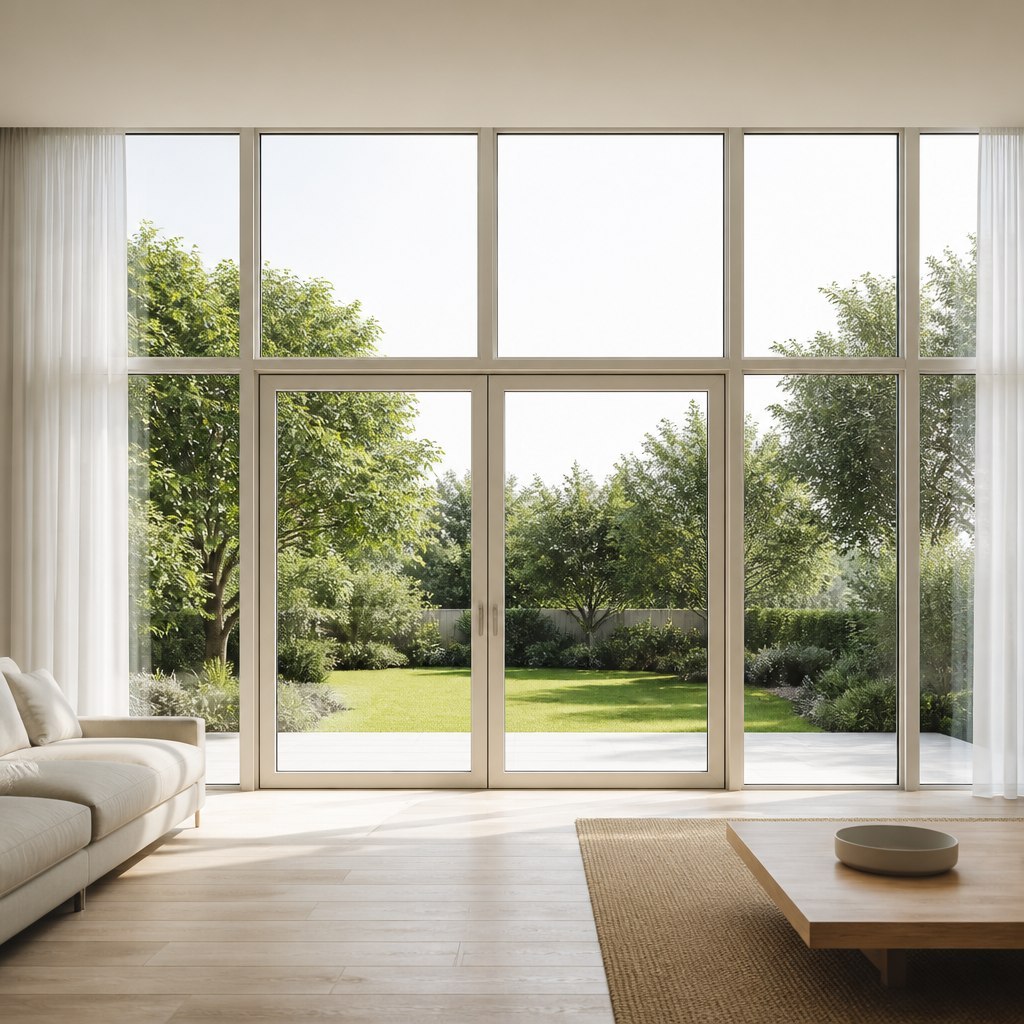
"How much do windows cost?" is the first question almost every buyer asks — and the hardest one to answer with a single number. A window is not a commodity with a list price; it is a custom assembly of frame, glass, hardware and seals, engineered to the dimensions and wind loads of your specific project. The same room can be glazed for very different budgets depending on the material, the glass build-up and the hardware specification you choose.
This guide gives you a working framework for window pricing in 2026. It explains the cost drivers that determine what a window actually costs, what to expect for uPVC and aluminium systems, how the two compare over the life of the product, how to read a factory quotation without surprises, and exactly what information to prepare so your quote is accurate the first time. It is written for homeowners, builders and wholesalers alike, and it draws on how ROPO Windows, a custom manufacturer in Fuzhou, China, with 16 years of factory experience, prices bespoke windows and doors for projects in more than 100 countries.
How Window Pricing Works: The Main Cost Drivers
Every window quotation is built from the same handful of cost drivers. Understand these five and you can compare quotes intelligently — and spot the ones that are quietly missing something:
- Frame material and system. uPVC is generally the most economical frame material, while aluminium — especially thermally broken aluminium — commands a premium for its slim sightlines and structural performance.
- Glazing configuration. Moving from single to double glazing, adding low-emissivity coatings, or upgrading to laminated or toughened glass changes the cost more than any other single variable.
- Hardware and opening type. A simple casement with standard multi-point locking costs less than a lift-and-slide door or a large sliding system with premium hardware.
- Size, shape and wind-load rating. Larger spans and higher wind classifications require heavier profiles, steel reinforcement and stronger hardware — and the cost scales with the engineering, not just the square metres.
- Quantity, certification and lead time. One-off samples cost more per unit than repeat production, documented certification such as AS2047 testing adds a compliance premium, and urgent delivery carries its own cost.
The practical consequence is simple: never compare two quotations by price per square metre alone, because the specification underneath can differ enormously. The Prices Explained page breaks down exactly how each of these factors moves the number, and the full window range shows how the two material families are configured.
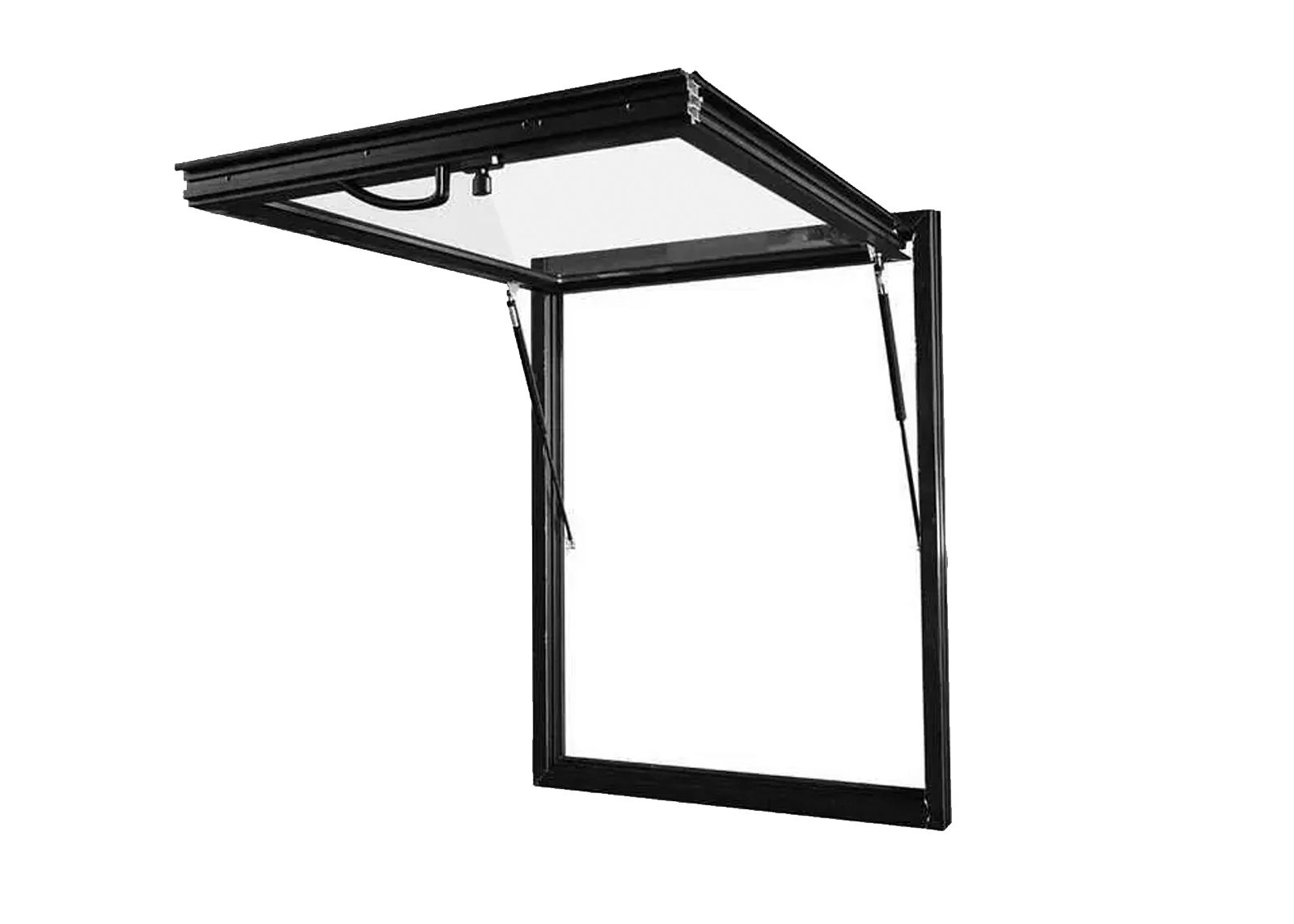
uPVC Window Prices in 2026: What to Expect
uPVC remains the value leader in window pricing, and in 2026 that is truer than ever. The material itself is inexpensive, the profiles are extruded at high volume, and the manufacturing process — cutting, welding and reinforcing uPVC sections — is fast and efficient at scale. For a typical residential project, uPVC windows are usually the lowest-cost way to achieve double-glazed, thermally efficient, low-maintenance glazing.
Within that general picture, the price of a uPVC window moves with the specification. Basic white profiles with double glazing sit at the economical end of the range. Multi-chamber profiles with galvanised steel reinforcement, woodgrain or dual-colour finishes, triple glazing and premium hardware all push the price up — and a fully specified uPVC window can approach the cost of a standard aluminium window. The frame price, in other words, is only half the story: most of the budget sits in the glass and hardware, which is why two "uPVC windows" can quote very differently.
For buyers in cold or coastal climates, uPVC's combination of low upfront cost, excellent insulation and zero maintenance makes it the default choice. The uPVC material and colour page shows the profile options and finishes available, each of which carries a different price point.
Aluminium Window Prices in 2026: What to Expect
Aluminium windows are priced at a premium to uPVC, and thermally broken aluminium — where a polyamide thermal break interrupts the flow of heat through the frame — sits at the top of the range. The reasons are straightforward: aluminium extrusion is a higher-cost material, thermally broken systems use more sophisticated profiles, and the powder-coating process that gives aluminium its durability and colour range adds to the bill. Slim, structurally efficient profiles also demand more engineering per opening.
What buyers pay for with aluminium is performance and aesthetics: very large spans, slim sightlines, high wind-load capability and a long service life in demanding commercial or coastal applications. For modern architectural projects where the frame visually disappears and the glass takes over, aluminium is frequently the only system that delivers the look. The price difference narrows when the specification is similar — double glazing, multi-point locks and premium finishes cost the same regardless of frame material — so the real comparison is about what the frame itself must do.
For projects where wind load, span or design language demands it, the aluminium premium is money well spent. See the aluminium windows page for the range of systems and finishes, and how they are configured for different performance targets.
uPVC vs Aluminium Windows: Which Costs More Over Time?
Comparing sticker prices misses the point. The honest comparison is lifetime cost: what each system costs to buy, run and maintain over 20 or 30 years.
| Factor | uPVC Windows | Aluminium Windows |
|---|---|---|
| Upfront cost | Generally lower | Generally higher; most expensive with thermal break |
| Maintenance | None — no painting or refinishing, ever | Low — powder coating is durable but can chip under impact |
| Energy efficiency | Excellent with multi-chamber profiles and double glazing | Excellent with thermally broken profiles and double glazing |
| Lifespan | 25-30 years with quality profiles | Very long; aluminium is highly corrosion-resistant when powder coated |
| Best value for | Residential energy efficiency on a budget | Large spans, slim sightlines, commercial projects |
Over the life of the product, the gap narrows. uPVC's zero-maintenance nature saves real money in avoided painting and repairs, while aluminium's longevity and structural performance justify its premium where the project demands it. Both systems achieve the same energy performance when the glass build-up is the same — the glazing, not the frame, is where energy performance is won. The glass options page compares the configurations that actually determine the energy performance of the finished unit.
What Really Drives the Price: Glass, Hardware, Size and Certification
Strip any window quotation back to its components and four items explain most of the price difference between one quote and another.
Glass is the biggest line item
Double glazing typically adds more to the price than any frame upgrade, and triple glazing more again. Low-emissivity coatings improve insulation year-round, laminated glass adds impact resistance and security, and toughened glass provides strength and safety glazing compliance. Each is a real cost — and each delivers a measurable performance benefit. Specify the glass build-up deliberately rather than accepting whatever comes as standard.
Hardware is where quality is engineered
Multi-point locking systems, heavy-duty hinges and smooth-running rollers are what make a window feel solid and stay secure for decades. Premium hardware carries a visible price premium, but it is also the difference between a window that operates smoothly in ten years and one that sags, rattles or fails its security rating. For doors, the cost difference is even larger: a lift-and-slide or large sliding system with quality hardware costs substantially more than a basic hinged unit.
Size, span and wind load
Windows are priced as engineered products, not by area alone. A large fixed pane needs thicker glass and heavier frames; a wide opening in a high wind zone needs steel-reinforced profiles and stronger hardware; a tall door leaf needs hinges rated for the extra weight. Projects in hurricane or high-wind regions, where impact-rated glazing and documented certification are required, carry a genuine compliance premium — see the hurricane impact windows range for how those systems are built and priced.
Certification and documentation
Windows sold into Australia and New Zealand are tested to AS2047 and NZS4211 respectively, and US hurricane projects require Miami-Dade approval with documented Notices of Acceptance. Testing and documentation are real costs for the factory, and they show up in the price — but they are also the difference between a product that passes inspection and one that fails at the worst possible moment.
The hardware page details the locking and fitting options that carry most of the specification premium.
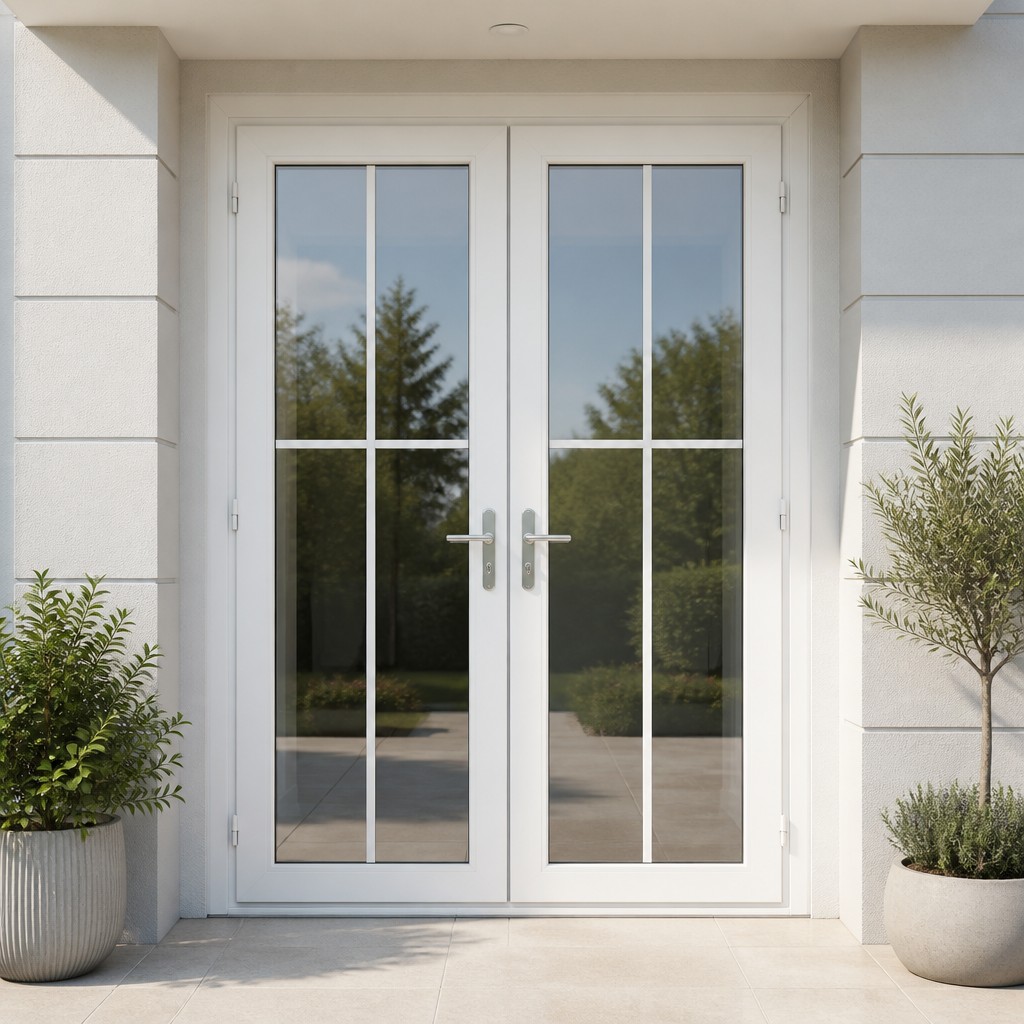
How to Read a Factory Quotation and Get an Accurate Quote
Factory quotations follow a predictable structure, and knowing how to read one prevents most pricing surprises. Here is what to look for, and the questions to ask before you compare:
- Pricing basis. Quotes are usually itemised per window or door with the configuration described — frame system, glass build-up, hardware grade and finish. If the configuration is not itemised, ask for it before comparing.
- Minimum order quantity. Wholesale pricing improves with volume, but most custom factories also serve single projects. ROPO's minimum order quantity is just one piece, so you can order a sample or a full house without paying a penalty for small volume.
- Freight and port terms. Sea freight is quoted from the loading port. ROPO ships from Fuzhou and Xiamen with options for full containers (FCL) or shared space (LCL), and the freight cost depends on your destination and container choice.
- Payment protection. For export orders, payment terms backed by escrow-style protection such as Trade Assurance cover product quality, on-time shipment and payment — worth confirming before you pay a deposit.
- Lead time. Confirm the production lead time in writing. ROPO holds profile and hardware inventory in stock and typically procures raw materials within 1-2 days, which keeps lead times predictable even for custom orders.
To get an accurate quote the first time, prepare your opening schedule before contacting the factory: every window and door with its size and opening type, the quantity, the system preference (uPVC or aluminium), the glazing and hardware requirements, the finish, and the project location so wind-load and compliance requirements can be assessed. The more complete the brief, the more accurate the quotation — and the fewer change orders later. Common questions on pricing, MOQ, samples and payment are gathered on the FAQ page.
About ROPO Windows
When you compare window prices, the question underneath is always the same: what does the number actually buy? ROPO answers that question from the factory floor. The company manufactures custom windows and doors in its own facility in Fuzhou, Fujian Province, China, and has been doing so for more than 16 years, shipping to clients in over 100 countries and regions. Because production is factory-owned — profile cutting, welding, reinforcement, glazing and assembly all happen under one roof — there is no trading markup built into the price, and the specification you approve is the specification that gets built.
The price also buys documented compliance and protection. Products are manufactured and tested to recognised standards including AS2047 and NZS4211 for Australia and New Zealand, with Miami-Dade approval available for hurricane-rated projects. Every window and door is backed by a 10-year warranty, export orders are covered by Trade Assurance for product quality, on-time shipment and payment, and each completed unit carries a barcode for full production traceability. The team behind the factory works by a simple rule: "Do what we say we are gonna do." More background is on the About Us page.

Custom Production Process
A price is only meaningful if the product matches it. ROPO runs production end to end so that what is quoted is what ships — no downgraded materials, no surprise change orders, and no quality failures that turn a bargain into a liability:
- Design confirmation — your dimensions, system, glazing build-up, colour and hardware specification are locked down before any material is cut, so the quotation and the delivered product never diverge.
- Profile preparation — uPVC profiles are cut, steel-reinforced and welded on CNC equipment; aluminium profiles are cut, drilled and assembled to your exact layout.
- Hardware and glazing — the specified locks, hinges or rollers are installed and the agreed glass build-up (double or triple glazed, Low-E, laminated or toughened) is fitted and sealed.
- Five-step quality control — order review, raw material inspection, semi-finished inspection, finished inspection and a final inspection report catch defects before packing, which keeps rework, returns and after-sales freight out of your project cost.
- Traceability — every unit carries a barcode, so any future support request can be traced back to its production history.
The same discipline applies whether you order one sample unit — the minimum order quantity is just one piece — or a full container for a project. Orders are protected by Trade Assurance, covering quality, on-time shipment and payment.
Packaging and Shipping
Shipping is a real line in every window quotation, so it pays to know exactly what happens between the factory and your site. ROPO packs every unit in sturdy timber crating with corner guards, protects glass surfaces with film, and secures hardware separately so nothing shifts during a sea voyage — a damaged unit costs far more than the packaging that prevents it. Full loading and handling procedures are documented in the factory's packaging guide, so units reach the site ready to install.
Shipments leave from the ports of Fuzhou and Xiamen by sea, with full-container (FCL) or shared LCL options to match your volume. Lead times stay predictable: profile and hardware stock is held in inventory, raw materials are typically procured within 1-2 days, every order is followed up at each production stage, and transport arrangements are confirmed with you in advance. Ask for the freight quote together with the product quote — the two numbers together are what your project actually pays.
If you are pricing windows or doors for a project, the fastest way to get an accurate number is with your opening schedule, quantity and system preference. The team will come back with a tailored quotation and compliance advice for your region — use the Quick Quote tool to get started, send an inquiry, or contact us directly. And for more guidance on choosing and pricing windows and doors, read more articles on the ROPO blog.