Custom Windows Manufacturer and Factory-Direct Supply for Project Windows
- Share
- publisher
- ROPO Windows
- Issue Time
- Nov 18,2026
Summary
Factory-direct window supply works when the buyer can verify the plant, separate a maker from a trader and hold the schedule. This guide sets out the checks that decide a project package: capacity and certification, drawing and mock-up approval, batch sequencing, alloy and profile specification, five-gate inspection, crating and container loading, and the documents to request before a deposit.
Buying windows for a building is not the same as buying windows for a house. A house needs a set of sizes; a building needs a package of interfaces, approvals, delivery windows and people who answer the phone when a template is 8 mm out. That is why the phrase custom windows manufacturer carries so much weight in a project conversation, and why so many buyers get it wrong: the supplier they chose could quote, draw and ship, but could not schedule, could not document and could not stand behind a batch.
This guide is written for the people who carry that risk: developers, main contractors, facade consultants, importers and dealers who buy aluminium and uPVC windows in packages rather than in ones and twos. It follows the sequence a real project follows — verify the factory, separate a maker from a trader, schedule the package, agree the profile and glass, approve a mock-up, then ship and hand over. Every checkpoint below can be verified with documents, and none of it depends on trusting a brochure.
ROPO builds aluminium and uPVC windows and doors in Fuzhou, Fujian, and has exported for 16 years to more than 100 countries. That is the vantage point for this article, but the checklists are written so that they work against any supplier, including us.
What Does a Custom Windows Manufacturer Actually Do for a Project?
A genuine custom windows manufacturer engineers each unit to a project schedule rather than selling stock sizes: it converts architectural drawings into fabrication drawings, builds and tests a sample, runs the batch through incoming, in-process and final inspection, protects and crates every unit, and issues the documentation a consultant needs to sign the facade off.
That definition matters because it sets the boundary of responsibility. A stock seller is accountable for a catalogue number; a maker is accountable for a size, a performance claim, a finish, a delivery sequence and a replacement part three years later. Everything else in this guide is a test of whether a supplier can actually carry that accountability or only describe it.
Where a Factory's Responsibility Starts and Ends
The boundary is drawn at the interface. A factory owns the frame, the sash, the glass unit, the hardware, the sealant line and the packaging — and it owns the dimensional accuracy of all of them. It does not own the opening in the wall, the setting blocks the installer uses, or the waterproofing detail above the head. The most common disputes on imported window packages come from that grey zone, so a serious maker states the boundary in writing: what is supplied, what is excluded, what tolerance is guaranteed, and who signs off the survey.
In practice this means the manufacturer should be able to tell you the fabrication tolerance on width and height, the maximum deviation on the diagonal, and the installation gap assumed in the drawings. When a supplier cannot name those numbers, the drawing set is incomplete — not because the numbers are secret, but because nobody has engineered the interface. Ask for the setting-out sheet before you ask for a price; it will tell you more about the factory than any showroom visit.
What Documents a Manufacturer Should Hand Over
A project package travels with paperwork, and the paperwork is a fair proxy for factory discipline. At minimum you should expect: fabrication drawings stamped against your architectural set; a glass build-up schedule naming thickness, coating and spacer; a hardware schedule with brand and function; a finish specification with coating system and colour reference; a test or certification package mapped to the market you are building in; a packing list keyed to the drawing numbers; and an inspection report for the batch.
ROPO publishes its quality plan against AS2047, NZS4211:2008, AS1288, AS/NZS2208, AS4666, Miami-Dade, NFRC, NAMI and AAMA, and issues final inspection records against a documented checklist. That is the level of traceability to aim for. Where the project includes thermal upgrades, the same package should carry the Passive House vinyl window specification, because the glazing build-up and the frame are tested together rather than separately. If a supplier can only send a certificate PDF with no link to your order number, the document will not help you at handover, because it does not prove anything about the units in the container.
Why the Term Manufacturer Is Used Loosely Online
Search results blur the line deliberately. Trading companies describe themselves as factories, factories resell each other's profiles, and directory listings recycle the same stock photography. The word on the website proves nothing; the operating model proves everything. A useful habit is to ask three questions in the first email: who owns the extrusion or buys the billet, where the frames are cut and assembled, and who signs the inspection report that leaves with the container.
The answers are hard to fake because they are specific. A maker names a province, a plant, a line and a QC function. A reseller names a partner. Neither answer is automatically disqualifying — an experienced exporter can add real value — but you cannot manage a schedule, a rectification or a warranty claim against an entity that never touched the product. See how ROPO describes its own factory footprint on the factory profile page, then hold every other supplier to the same standard of specificity.
Factory-direct does not mean cheapest. It means the cost stack is visible: profile, glass, hardware, labour, testing, packing, inland haulage and ocean freight, with margin stated once rather than layered three times. The saving usually comes from removing a rebate and a stocking step, not from cheaper materials — and if a quote is dramatically below the market, something in the stack has been downgraded, most often the glass build-up or the hardware brand.
A practical way to test this is to ask for a cost breakdown by component rather than a single unit rate. Makers who buy in volume will quote profile by metre, glass by square metre, hardware by set. Resellers usually cannot, because they never see those numbers. The price explanation page shows the structure we use, and it is a fair template for comparing any two offers line by line.
Custom Manufacturing vs Trading: What Changes for Your Project
The difference is not philosophical, it is operational, and it is the first thing to establish when you shortlist a custom windows manufacturer. A custom manufacturing order runs through engineering, sampling, production, inspection and packing inside one organisation, so a change to a hinge or a glass make-up is a work order. A trading order runs through a purchase order, so the same change becomes a negotiation with a third party who may already have cut the profile.
For a single house the difference is mild. For a package of two hundred units across six configurations, it decides whether the project finishes on programme. The sections below separate the value a trader can genuinely add from the cost a trader quietly introduces, and give you questions that produce different answers from the two business models.
| Decision area | Factory-direct | Local distributor | Trading company |
|---|---|---|---|
| Cost structure | Profile, glass, hardware, labour and packing quoted as components | Stock price plus local margin, delivery and any site services | Factory price plus trader margin, and sometimes an agent commission |
| Custom sizes | Built to drawing, including non-standard openings and combinations | Limited to stocked sizes and published ranges | Possible, but the engineering passes through a third party |
| Schedule control | Production slot and container plan visible to the buyer | Dependent on stock levels and the reorder cycle | Dependent on the factory slot, with less visibility |
| Technical support | Drawing review, sample approval and inspection records | Product training and local site support | Relayed answers, with variable engineering depth |
| Warranty | Issued against the order by the party that built it | Issued locally, usually backed by the maker | Depends on the trader remaining in business |
A good trader solves complexity you do not want to own: consolidating windows with doors, hardware, sanitaryware and furniture into one container, handling mixed Incoterms, or covering several factories when no single plant makes the full range. For importers with a broad catalogue and small quantities per SKU, that consolidation is worth paying for, and the paperwork is often better than a small factory's.
The value collapses, however, the moment the project needs engineering. A trader cannot approve a structural glazing detail, cannot re-cut a frame after a site survey reveals a 20 mm discrepancy, and cannot answer why a particular batch failed a water test. If your scope includes performance obligations, keep the trader for the commodities and buy the facade from the maker.
Where a Trader Adds Cost and Risk
Three costs appear quietly. First, margin stacking: the factory margin, the trader margin and sometimes an agent commission all sit inside a number you read as one price. Second, information loss: the person answering your technical question is relaying it, so tolerances drift and drawings get re-issued with errors. Third, warranty distance: a ten-year frame warranty is only as good as the entity that will still exist in year eight.
None of this is an argument against intermediaries as a class. It is an argument for knowing which layer you are buying. Ask who will issue the warranty certificate, whose name appears on the inspection report, and who pays for a replacement sash if a batch is rejected at destination. If all three answers point to a company that never sees the product, price the risk in.
Questions That Separate a Factory from a Reseller
Six questions do most of the work. What is the address of the plant, and can we see a dated photo of our profile being cut there? Which extrusion press supplies the profile, and what alloy and temper are stamped on the delivery note? Who performs the water and air test, on what rig, and can we watch it? Which hardware brand is fitted, and is it the branded range or an equivalent? Who signs the pre-shipment inspection? What is the process if one unit in the batch is out of tolerance?
Specific answers arrive quickly from a maker and slowly from a reseller. The pattern of response — not any single answer — is the signal. A useful second step is to place a small paid sample order before the main package; the sample order guide sets out what a first order should test, and a supplier who resists a sample order is telling you something.
Aluminum Windows Factory vs Aluminium Windows and Doors Suppliers
The two labels describe different positions in the chain. An aluminium windows factory converts extrusion, glass and hardware into finished units; a supplier may be that factory, may be an export arm, or may be a distributor holding stock in your market. Project buyers usually need both a factory and a supplier relationship — the question is which one carries the warranty and which one carries the inventory.
The practical consequence is about change control. Factories can change a profile, a gasket or a glass build-up at the source, and can tell you what that does to the performance figures. Suppliers can change a delivery date or a stocking level. Match the partner to the type of change your project is likely to need, and do not expect a stockist to behave like an engineer.
Aluminium Windows and Doors Manufacturers: Capacity and Certification Checks
Capacity is easy to overstate and easy to check. Ask for monthly output in square metres, the number of production lines and the number of independent production areas, then compare those figures with the size of the plant and the size of your order. ROPO's factory page states a building area above 10,000 m², two production lines and eight production areas, with output listed at 5,000 m² per month. A 4,000 m² project is therefore a scheduled campaign, not a miracle.
Certification needs the same treatment. A certificate proves that a tested specimen met a standard on a date; it does not prove that your unit will. So ask for the certificate number, the tested configuration, the test report and the scope of validity, and check that the configuration in the report resembles the one in your drawings. A report for a 1,500 × 1,200 mm casement does not cover a 2,400 mm sliding panel, and consultants know it.
What a Supplier Relationship Should Cover After Delivery
After the container is emptied, the relationship is tested by three things: replacement parts, technical answers and warranty administration. Replacement parts means the hardware brand, the gasket profile and the glass make-up are documented well enough to re-order a single sash in year four. Technical answers means someone can tell an installer how to adjust a tilt-and-turn sash without a site visit. Warranty administration means a claim has a form, a decision and a lead time.
ROPO publishes a warranty list and a ten-year warranty position, and issues hardware from named brands so that a handle or a hinge can be sourced later. When you compare suppliers, ask what a warranty claim actually looks like: who inspects, who decides, who pays freight, and what the remedy is — part, unit or credit. A warranty that cannot be administered is a marketing sentence.
Reading a Factory Profile Without Being Misled
Factory pages are marketing documents, but they contain verifiable anchors. Look for a full street address rather than a city, a plant area in square metres, a line count, named equipment, named profile and hardware brands, and a quality plan mapped to specific standards. Then check that the product pages match: a factory that claims a full aluminium range should be able to show casement, sliding, awning, fixed and specialty lines with real specifications.
Cross-checking is where most profiles fall apart. If the factory page describes a 10,000 m² plant but the product pages are stock renders with no dimensions, the profile is decorative. If the address resolves to an industrial zone and the product pages list alloy, temper, wall thickness and glazing ranges, the profile is operational. ROPO's own aluminium windows manufacturer page and the product list are structured this way, and the same two-page test works on any competitor.
Single-sourcing concentrates risk but simplifies coordination: one drawing set, one inspection standard, one container plan, one warranty counterparty. Multi-sourcing spreads risk but multiplies interfaces, and on a facade the interfaces are where defects live. For a project under roughly a thousand units, one capable maker is usually the lower-risk route; above that, splitting by product family rather than by elevation keeps the interface count manageable.
If you do split, split on product logic. Aluminium windows and doors from one plant, uPVC from another, and glass units specified identically in both, is a coherent structure. Splitting the same window type across two factories to chase a small price difference is not, because the two batches will not match in colour, gasket or tolerance, and the site will notice even if the consultant does not.
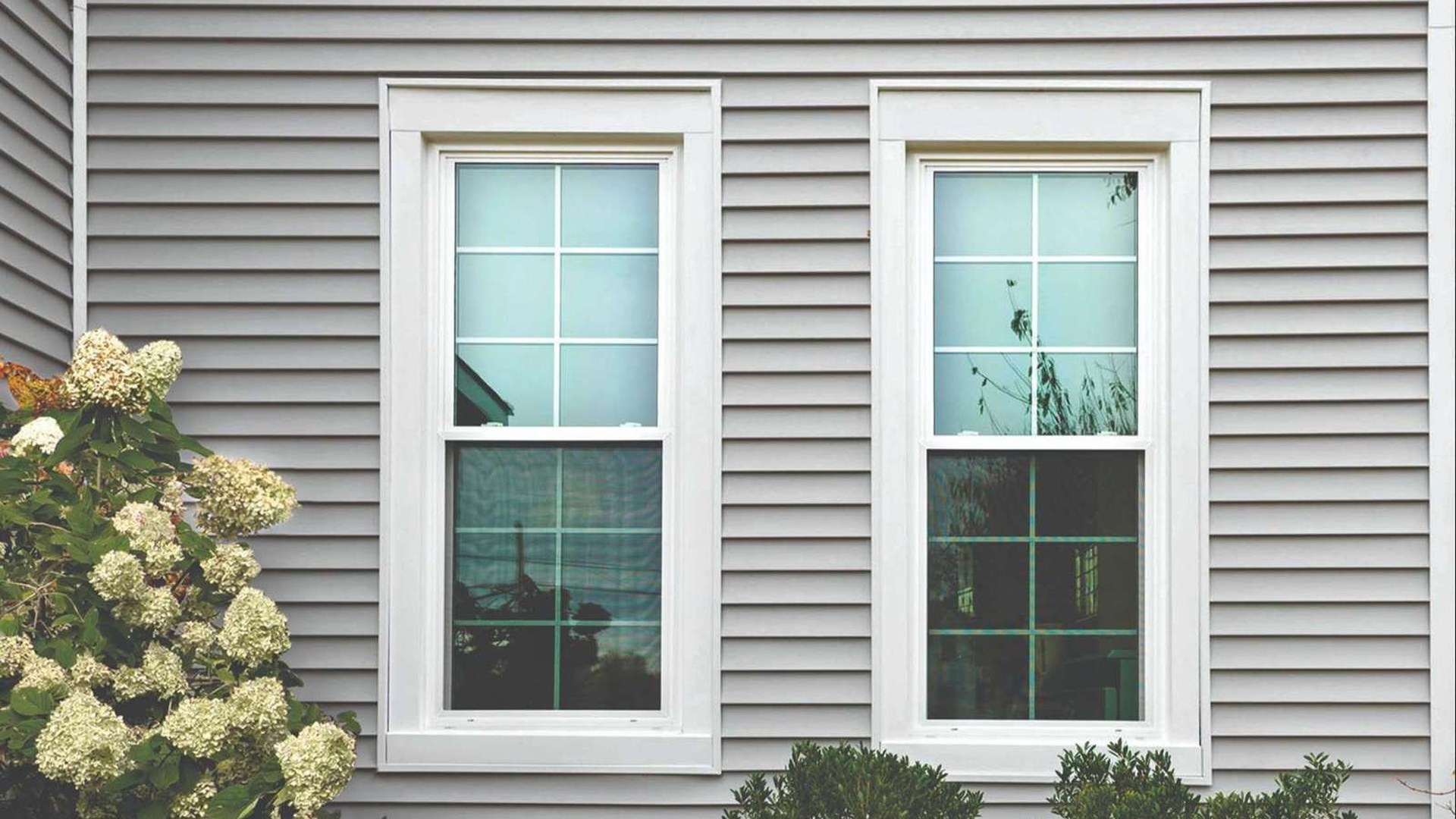
Project Windows and Doors: Scheduling, Mock-Up and Batch Delivery
A project package is a schedule before it is a product, which is why a custom windows manufacturer schedules production against the site programme rather than against its own convenience. Units arrive in an order dictated by the site programme, not by the factory's convenience, and a container that lands three weeks early is as disruptive as one that lands three weeks late: it has to be stored, insured and protected. The manufacturer's job is to build backwards from the installation sequence and to hold the batch until the site is ready.
This is where experienced exporters differ most from competent fabricators. Both can make a good window; only one can tell you which elevations ship in container two, which units must be installed before the scaffold moves, and what happens when the client adds four units after the drawings were frozen.
Aluminium and uPVC Windows for Large Project Packages
Mixed-material packages are increasingly common: aluminium for the exposed elevations and large spans, uPVC for the sheltered faces and for social or affordable housing where thermal performance matters more than slim sightlines. The two systems can coexist if the specification language is shared — same glass build-up logic, same hardware grade, same colour reference, same installation tolerance.
For Passive House and low-energy projects, the uPVC side is usually where the thermal argument is won. Our vinyl Passive House window range is a tilt-and-turn system with double glazing and an AS2047 position, and it is specified on the same drawing sheet as the aluminium lines rather than treated as a separate product family. That is the practical test of whether a factory can run a mixed package: one drawing set, one approval loop, one shipping plan.
Scale changes the details, not the principles. A large package needs a unit-by-unit schedule keyed to the drawings, a packing list keyed to the schedule and a container plan keyed to the packing list. When those three documents agree, the site can receive without opening every crate. When they do not, the site opens everything twice and the programme slips.
Sequencing Deliveries to Match Site Trades
Delivery sequencing starts with the installation method. If the facade is being installed floor by floor from a hoist, ship by floor. If the building is being closed in from one corner, ship by elevation. If the project is a fit-out where windows arrive after the plaster, ship in the order the rooms are released. The manufacturer should ask this question before production, not after.
Two rules keep sequencing honest. First, no container should contain units for more than one phase unless the phases are adjacent, because partial receipt creates count disputes. Second, the last container should include the spares package: a small allowance of gaskets, handles, hinges and glass, drawn from the same batch, so that site damage does not wait for an international shipment. The opening measurement guide explains the survey data that makes sequencing possible in the first place.
Mock-Up, Sample and First-Article Approval
A mock-up is not a sample. A sample proves the factory can build one unit; a mock-up proves the unit works in the opening, with the real substrate, the real fixing method and the real sealant. On projects with a consultant, the mock-up is the document that freezes the specification — after it is signed, changes become variations rather than interpretations.
Run the mock-up on site if possible, and test it there: hose it, check the drainage path, operate every sash, inspect the sightline against the drawing. If a site mock-up is impractical, build a first-article unit at the factory and record it on video with a tape measure in frame. Either way, photograph the approved unit from four sides and attach the photographs to the inspection plan, so that the batch is compared against a record rather than a memory.
Site Protection, Handover and Snagging
Protection is part of the product. Frames should arrive with film that survives handling but peels cleanly, corners with mechanical protection, and sashes restrained so that they cannot swing in transit. On site, the two failures that cause most snagging are film left on until the sun bakes it, and units stored flat or on their corners instead of upright on battens.
Handover needs a list, not a conversation. Count units against the packing list, record damage with photographs before signing, and log every missing accessory against the drawing number. A supplier who supplies a marked-up packing list and a named contact for replacements turns handover from an argument into an administrative task. That is also the moment to register the warranty, because most warranty terms run from delivery or practical completion, not from the order date.
Aluminum for Windows: Alloy, Temper and Wall Thickness Basics
Most aluminium window disputes are not about design, they are about material. A profile that looks correct on a drawing can be too thin in the wall, made from the wrong temper, or finished with a coating that fails in a coastal atmosphere within two seasons. None of those faults is visible at handover, which is why the material schedule deserves more attention than the colour chart.
You do not need to be a metallurgist to buy well, but you do need to ask for four things in writing: the alloy and temper designation, the wall thickness at the critical section, the thermal break material and the coating system. If a supplier cannot name all four, the specification is being managed by assumption.
Alloy and Temper: What the Delivery Note Should Say
Window extrusion is normally ordered in a 6xxx-series alloy, with 6063 among the most common because it extrudes cleanly and takes an anodised or painted finish well. The temper designation matters as much as the alloy: it describes the heat treatment and therefore the strength. Ask for both on the mill certificate and on the delivery note, and check that they match the specification you approved.
The reason to insist on paper is substitution. Mills produce several alloys that look identical after coating, and a fabricator under cost pressure can switch without telling anyone. A mill certificate tied to the heat number, plus a delivery note tied to your order, closes that gap. If a supplier answers "standard aluminium", you have learned that the material is outside their control system.
Wall Thickness, Chambers and Thermal Break
Wall thickness is measured at the section that carries the fixing and the hardware, not at the thickest decorative web, and it is the single most useful number for comparing two profiles. Ask where it is measured and get the drawing marked up. A profile with generous outer walls but thin internal webs will perform badly on screw pull-out, which is exactly where a heavy sash hangs.
Chamber count and thermal break construction come next. Multi-chamber profiles reduce convection inside the frame; a polyamide thermal break separates the inner and outer aluminium so that the frame does not short-circuit the glass. ROPO uses a polyamide thermal barrier across its aluminium window range, and the same logic applies to uPVC, where the chamber layout and the steel reinforcement do the equivalent work.
Glass, Gaskets and Finish as One System
Frame performance means little if the glass, gasket and finish are specified separately. A double-glazed unit with a warm-edge spacer, EPDM gaskets and a powder-coated frame behaves as a system; swap one element for a cheaper alternative and the condensation line moves. Our glass options page sets out the build-ups we run, and the U-value explainer shows why the frame and the glass have to be calculated together.
Finish is the last variable and the one most often downgraded silently. Powder coating over a properly pre-treated extrusion will hold colour for years; a thin coat over poor pretreatment will chalk and fail at the coast. Ask for the coating system name, the nominal film thickness and the warranty that attaches to the finish, and get the colour reference in writing rather than approving a screen image.
uPVC Profiles in the Same Specification Language
uPVC is not a lower tier of specification, it is a different material system with its own numbers: profile series, chamber count, steel reinforcement gauge, glazing bead type and welding method. On low-energy projects those numbers often outperform aluminium, which is why the material should be chosen per elevation rather than per budget.
The discipline that works is to keep one specification sheet for both materials, with the same fields: profile, reinforcement, glass, gasket, hardware, finish, tolerance and warranty. Our uPVC range is documented on that basis, and the Passive House vinyl window listing shows how the thermal case is presented when a project needs it. Comparing a uPVC quote against an aluminium quote on the same sheet is the fastest way to see which one has been value-engineered.
ROPO Factory News, Security Window Shutters and Resources
Buyers often arrive at this page with a mixed set of questions: where the factory publishes updates, whether a blog exists, and what is happening in the security shutter market. This section answers those directly and separates what we publish from what we do not claim to know.
One clarification first. This article is published by ROPO Windows at ropowindows.com. If you arrived looking for a site at ropo.no, that is a different domain and outside what we can speak for. Our own updates, product notes and technical guides are published on this website, and links to the most useful ones are collected below.
Where ROPO Publishes Factory and Product Updates
Factory and product information lives in three places on this site: the factory profile page for plant, process and quality planning; the product pages for specifications; and the blog for application-level guidance. There is no separate newsroom and no press release feed, and we do not publish a monthly newsletter. When something changes in the range, it is changed on the product page first.
That structure is deliberate. A window buyer needs a specification that stays current, not a stream of announcements. If you are checking whether the factory is active, the more useful signals are dated project case studies, updated product specifications and a blog with technical depth. Recent examples include the PVC casement specification guide and the maintenance guide.
Security Window Shutters: What Project Briefs Are Asking For
Security shutter enquiries have changed shape over the past few years. Where a brief once asked for a grille on a ground-floor opening, it now often asks for a shutter that also handles sun, driven rain and, in coastal markets, wind-borne debris. That combination pushes the specification toward roll-down or hinged shutter systems with tested impact resistance rather than decorative bars.
We do not publish market statistics and we will not invent a trend number. What we can describe is the pattern of requirements that arrives with project enquiries: a stated wind region, a shutter that can be operated from inside, a finish that matches the facade, and a maintenance schedule the building manager will actually follow. For openings that need impact protection without a shutter, the hurricane impact window range covers the same brief from the glazing side.
Supplier news is useful when it is specific and useless when it is atmospheric. A line expansion, a new test rig, a certification renewal with a number and a date, a completed project with a location and a product mix — those are checkable. "We attended a major exhibition" and "our team is committed to quality" are not, and neither tells you anything about the batch you are about to order.
A simple filter works: for every claim, ask what document would prove it. If the answer is a certificate, a test report, a project reference or a dated photograph, the claim can enter your evaluation. If the answer is another sentence, it stays out. Applied consistently, this filter will shorten your supplier shortlist faster than any questionnaire.
Resources to Take Into a First Call
Bring five things to a first technical call: the elevation drawings with opening sizes, the market and the standard you are building to, the performance target for wind and water, the installation method and the programme dates. With those, a factory can respond with a profile proposal, a glazing schedule and a delivery structure in one pass instead of five emails.
If the drawings are not ready, bring the survey instead. Opening sizes measured on site, with substrate and reveal details, are more useful than an architectural set that will be revised. The product list is a reasonable place to shortlist configurations before the call, and the builder and developer guide covers the project questions that usually surface in the second meeting.
What is the minimum order for a custom window package?
One unit. A single window can be ordered as a sample, which is how most project relationships start, and the sample is built on the same line and inspected to the same standard as the batch. For a package, the minimum is set by the container rather than by the factory, and mixed configurations can travel together if the packing list is structured correctly. If the sample needs to prove a thermal detail, ask for it in a custom vinyl Passive House windows configuration rather than a standard casement.
Can one factory supply both aluminium and uPVC for the same project?
Yes, and it is usually the better arrangement because the specification, tolerance and colour references can be aligned. The AS2047 vinyl Passive House window and the aluminium lines share a drawing set and an approval loop, so a mixed package does not create two unrelated supply chains. What must be confirmed is that the performance figures for each material are tested, not extrapolated.
Who is responsible for measuring the openings?
The party that signs the survey. In most export projects the buyer or the installer measures, and the factory checks the survey against the drawing before production. If the factory measures, the responsibility shifts and the contract should say so. Either way, a measured survey with substrate and reveal details is worth more than an architectural drawing that has not been site-verified.
How are large project packages scheduled? Backwards from the installation programme. The factory allocates production slots by phase, ships in the order the site will install, and holds earlier phases only if storage is confirmed. The product list is used to fix configurations before scheduling, because a configuration change after the slot is allocated moves the whole phase.
What happens if a unit is damaged in transit?
It is logged against the packing list and the drawing number, with photographs, and replaced from the spares allowance or a follow-up shipment. The remedy depends on the term and the insurance, which is why the claim window and the inspection obligation are stated in the warranty list. A supplier who asks for photographs and a label reference is administering a process; one who asks for "more details" is not.
How do I verify a supplier before placing a project order? Verify the plant address, the extrusion source, the inspection records and the warranty counterparty, then place a paid sample order and inspect it. The materials and cost factors page shows the level of detail a real quote should contain, and any supplier whose quote cannot reach that level is a reseller of drawings rather than a maker of windows.
About ROPO Windows
ROPO is a custom windows manufacturer based in Fuzhou, Fujian Province, China, exporting aluminium and uPVC windows and doors to more than 100 countries. The company has been in export for 16 years and sells to developers, builders, importers, dealers and homeowners, with a minimum order quantity of one unit so that a first order can be a real test rather than a leap.
We describe ourselves in operational terms because that is what a project buyer needs to check: a plant, a process, a standard and a warranty. The sections below set out each of those, and every claim is one you can verify on a call, in a document or on a visit.
Factory Location and What It Produces
The plant is at No. 1 Phase, Tieling Technical and Economic Development Zone, Minhou County, Fuzhou City, Fujian Province. The factory building area is listed as more than 10,000 m² with two production lines and eight independent production areas, and monthly output is listed at 5,000 m². Fuzhou and Xiamen are the departure ports for export containers.
The range covers aluminium casement, sliding, awning, fixed, folding, tilt-and-turn, hung and specialty windows, matching door systems, and a uPVC range from casement and sliding through to tilt-and-turn and Passive House configurations. Aluminium profiles are documented through the aluminium system page, and the uPVC side is described in the Passive House vinyl window system. Dealers and wholesalers work through a separate dealer programme with its own terms.
Certifications and How They Are Used
The quality plan is written against AS2047, NZS4211:2008, AS1288, AS/NZS2208, AS4666, Miami-Dade, NFRC, NAMI and AAMA, and certificates are published in the certificate library. These are the frameworks our engineering and inspection work is mapped to, not a claim that every unit is individually certified for every market.
How the documents are used matters more than how many there are. For an Australian project, the AS2047 report should match the configuration being supplied; for a Florida project, the Miami-Dade notice of acceptance should cover the product family and the size range. Our quality and certification page explains the mapping, and payment protection runs through Trade Assurance for orders placed on that basis.
Who We Supply and How Projects Start
Most enquiries fall into four groups: builders and developers closing in a residential project, importers and dealers building a catalogue, architects and facade consultants specifying a system, and homeowners replacing a single set of units. The scope changes with the group, but the starting point does not: drawings or a measured survey, a destination market, a performance target and a programme.
Cost structure is discussed openly because it is the most common source of misunderstanding. The materials and cost factors page sets out what moves a window price — profile, glass, hardware, size, finish, quantity and packing — so that a buyer can see which of their choices is expensive before the quote is issued rather than after.
Warranty, Spares and After-Sales
ROPO offers a ten-year warranty, with the coverage per component set out in the warranty list. Component warranties follow the hardware and glass suppliers where those are longer or shorter, and the frame warranty is separate from the finish warranty. Read the list before you order, because the exclusions are as important as the durations.
Spares are handled from the same bill of materials as the original order, which is why the hardware schedule matters at specification stage. Handles, hinges, friction stays and gaskets are sourced through the hardware programme, so a replacement in year five can be matched to the original rather than improvised. Claims are logged against the order number and the drawing number, and photographs are required for anything that might be a transit defect.
Custom Production Process
Every order from a custom windows manufacturer follows the same route: enquiry, drawing, sample or mock-up, approval, production, inspection, packing and shipment. The route is fixed because the failure modes are known: an unapproved drawing produces a beautiful window that does not fit, and an unapproved sample produces a batch that meets the drawing but not the expectation.
The process below is the one we run, including the points where a buyer has to make a decision. If a supplier's process has fewer gates, the missing gates are being absorbed by someone — usually the installer or the client.
From Drawing to Approved Sample
Fabrication drawings are produced from the architectural set or the measured survey, and every opening gets an identifier that carries through to the packing list. The drawing states the overall size, the frame and sash configuration, the glazing build-up, the hardware, the opening direction, the finish and the installation gap. Nothing proceeds until those fields are confirmed in writing.
A sample then proves the drawing. For a standard configuration it may be a first-article unit; for a project package it is usually a mock-up. Casement and awning units are documented through the aluminium casement range, uPVC equivalents through the uPVC casement range, and Passive House configurations through the tilt-and-turn Passive House vinyl window. The approved sample is photographed, measured and stored as the reference for the batch.
The Five Quality Gates
Quality control runs as a five-step programme built around three inspection stages — incoming, in-process and final — plus packing and pre-shipment checks. Incoming inspection covers profile, glass, hardware, gaskets and sealant against the specification, with records kept by batch; in-process inspection covers cutting, machining, welding or crimping, assembly and glazing; final inspection covers dimensions, squareness, operation, drainage and finish.
Each stage produces a record, and the final record is signed before the unit is packed. The quality plan names the inspection items and the standards they are checked against, including the finished-product checks for hardware marks, glue residue, colour difference and scratches. A buyer can ask for those records with the shipping documents, and should.
Change Control and Documentation
Changes are the normal condition of a project, not an exception. What matters is that a change is versioned: a revised drawing number, a date, a note of what moved and a confirmation that the price and programme impact is accepted. Units already cut to the previous revision cannot be silently redirected, and a supplier who says otherwise is either lying or absorbing the cost somewhere you will find later.
Documentation closes the loop. At shipment the package should include the approved drawing set, the inspection records, the packing list keyed to openings, the warranty certificate and the care instructions. Fixed units, which are often the ones omitted from a schedule because they look simple, are documented through the uPVC fixed window range with the same rigour as opening units.
Packaging and Shipping
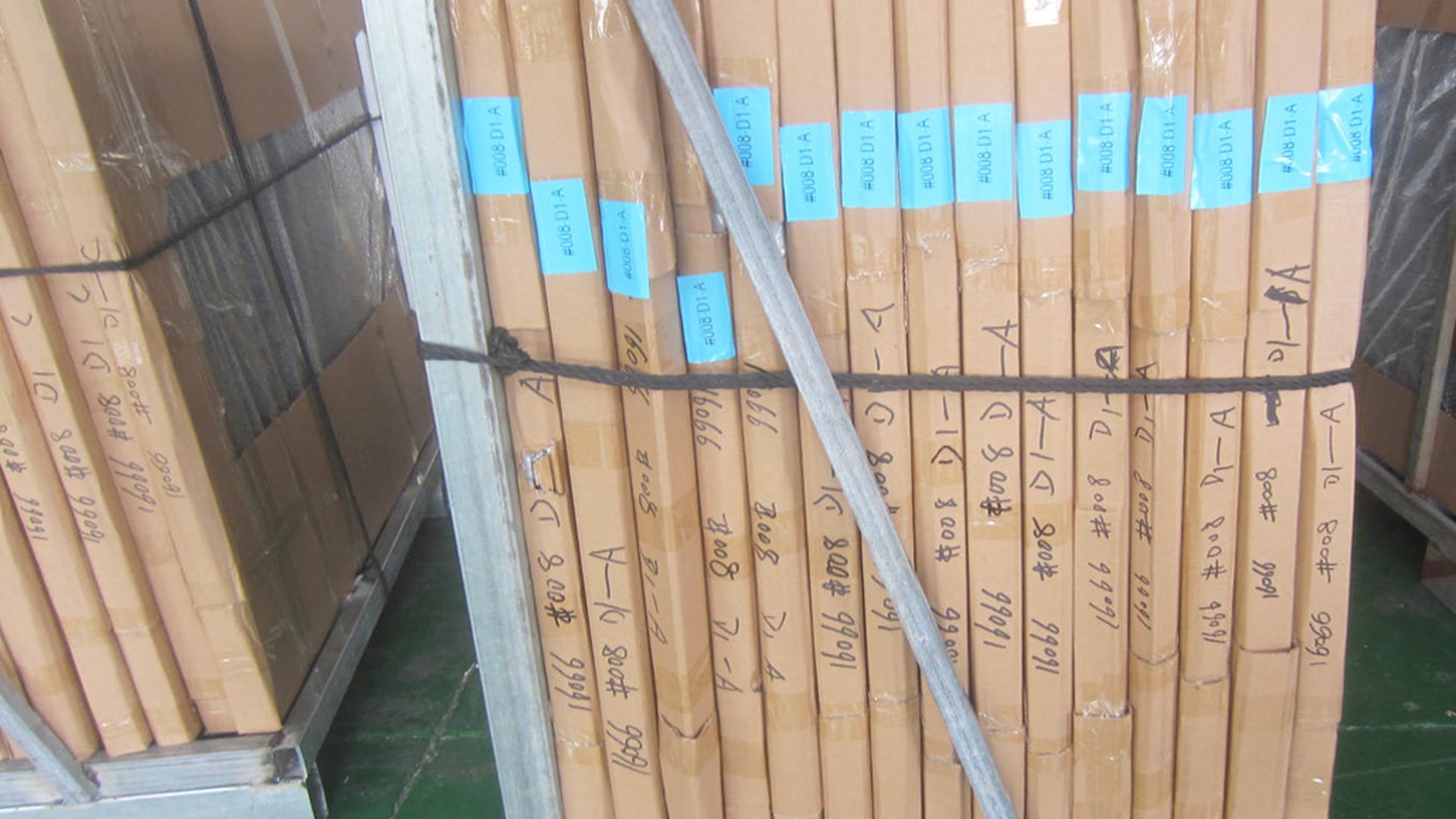
Glass breaks in transit for predictable reasons, and the packing standard a custom windows manufacturer applies is the cheapest insurance in the order: point loads, racking, vibration and careless unloading. Good packing removes those causes systematically rather than hoping for a careful stevedore. The difference between a good and a poor pack is visible in the first five minutes of unpacking, and it is the cheapest part of the order to get right.
Shipping is a schedule and a document set as much as a physical movement. The container plan, the packing list, the bill of lading and the inspection release all have to agree, and the buyer needs them before the vessel sails, not after it arrives.
Crating and Corner Protection
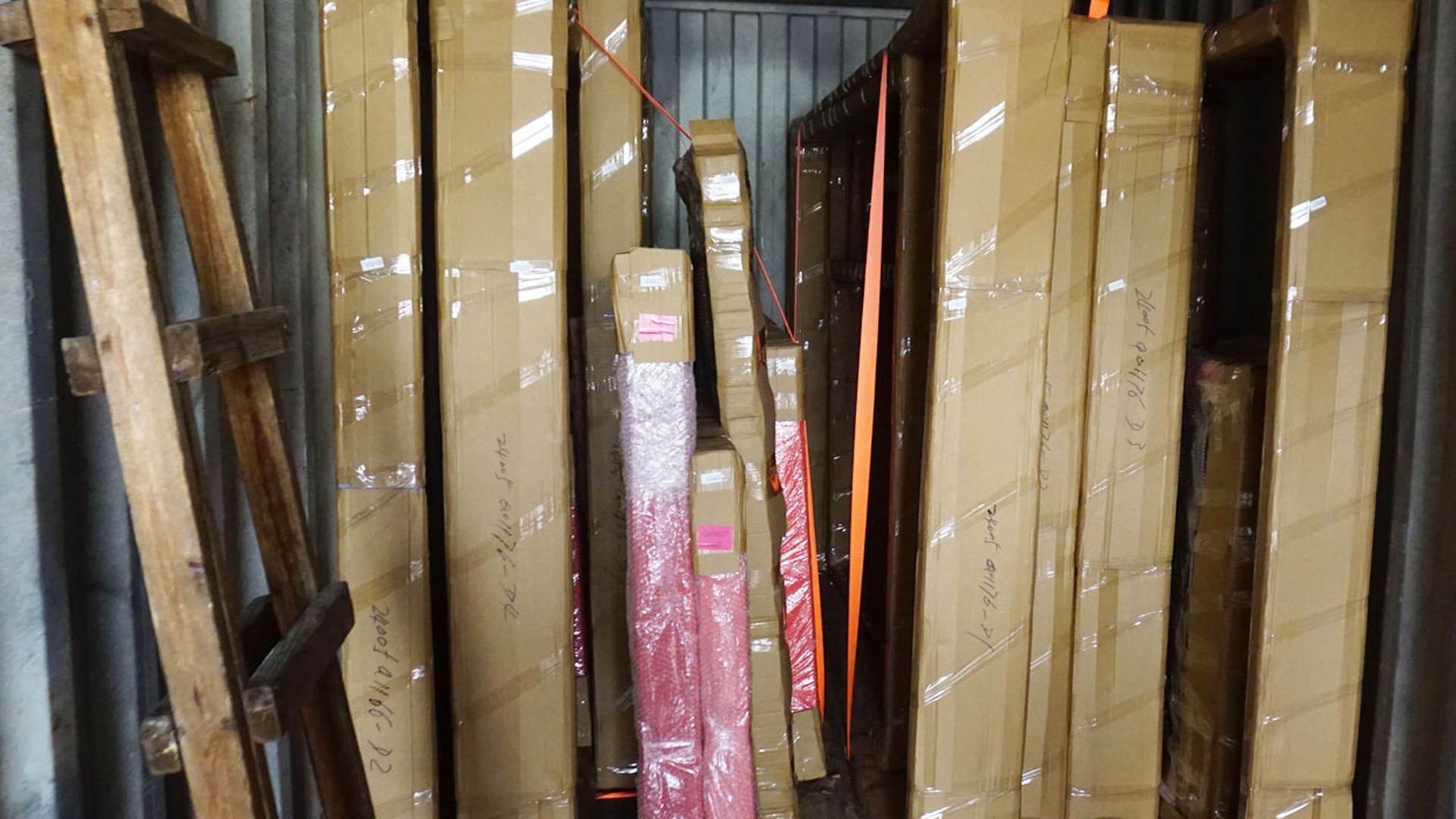
Units are wrapped in protective film, corners are fitted with mechanical protection, and frames are separated so that coated surfaces never touch. Bundles are strapped to timber bases and, for larger units, crated so that the frame carries the load rather than the glass. Sashes are restrained to stop movement, and drainage paths are left clear so that any condensation during the voyage can escape.
Our packaging guide documents the sequence in detail, from film and corner strips to the printed packing list that lets a site identify a unit without opening the bundle. If you are comparing suppliers, ask for photographs of a packed container rather than a packing specification; the photographs show what actually happens on the floor.
Container Loading and Labelling
Loading follows the installation sequence, so the first units off the truck at destination are the first units the site needs. Heavier and taller units are placed to use the container structure, with timber bearers spreading the load and straps isolating movement. Nothing is stacked flat, and nothing leans on a mullion.
Labelling is where a good pack becomes a good site process. Each bundle should carry the opening identifier, the elevation or floor, the quantity and the drawing revision, printed rather than handwritten where possible. That single decision removes most of the searching, mis-installation and count disputes that follow a large delivery. It also makes the pre-shipment inspection meaningful, because the inspector can check the label against the schedule.
Ports, Terms and Trade Assurance
Shipments leave through Fuzhou and Xiamen. The Incoterm decides where the risk passes and therefore what insurance and what documentation you need; FOB is the most common starting point for a first order, while CIF and DAP arrangements are negotiated per project. Ask for the port of loading, the vessel and the estimated departure in writing, and reconcile them against your installation dates before you release production.
Payment protection is a separate decision from price. Trade Assurance covers orders placed through the platform on its terms, and the scope should be confirmed for your specific contract rather than assumed. For a first order, the safest structure is a paid sample, a documented inspection and a balance against shipping documents, with the contact page used to confirm the named account handler before any deposit moves.
What to Inspect on Arrival
Inspect before you sign, and inspect in daylight. Check the count against the packing list, then check each unit for broken glass, frame damage at the corners, coating damage on the face, sash operation, drainage slots and label accuracy. Photograph anything you intend to claim, with the label visible in the same frame, because a photograph without an identifier is difficult to administer.
Glass defects deserve their own check, and on a vinyl windows for Passive House projects order the glazing build-up should be checked against the approved schedule: edge damage, delamination, desiccant dust and spacer misalignment are all visible on inspection, and all are easier to resolve before installation. The glass selection guide explains what each build-up should look like, which makes the arrival check a comparison rather than a guess. Report within the claim window stated in the warranty list, and keep the packaging until the claim is closed.