Double Glazed Windows: Creating an Energy Efficiency, Quieter Home
- Share
- Issue Time
- May 28,2024
Summary
Discover how double glazed windows work to cut energy bills and reduce noise. Compare 26mm gap argon gas specs, U-values, and custom double glazing options.

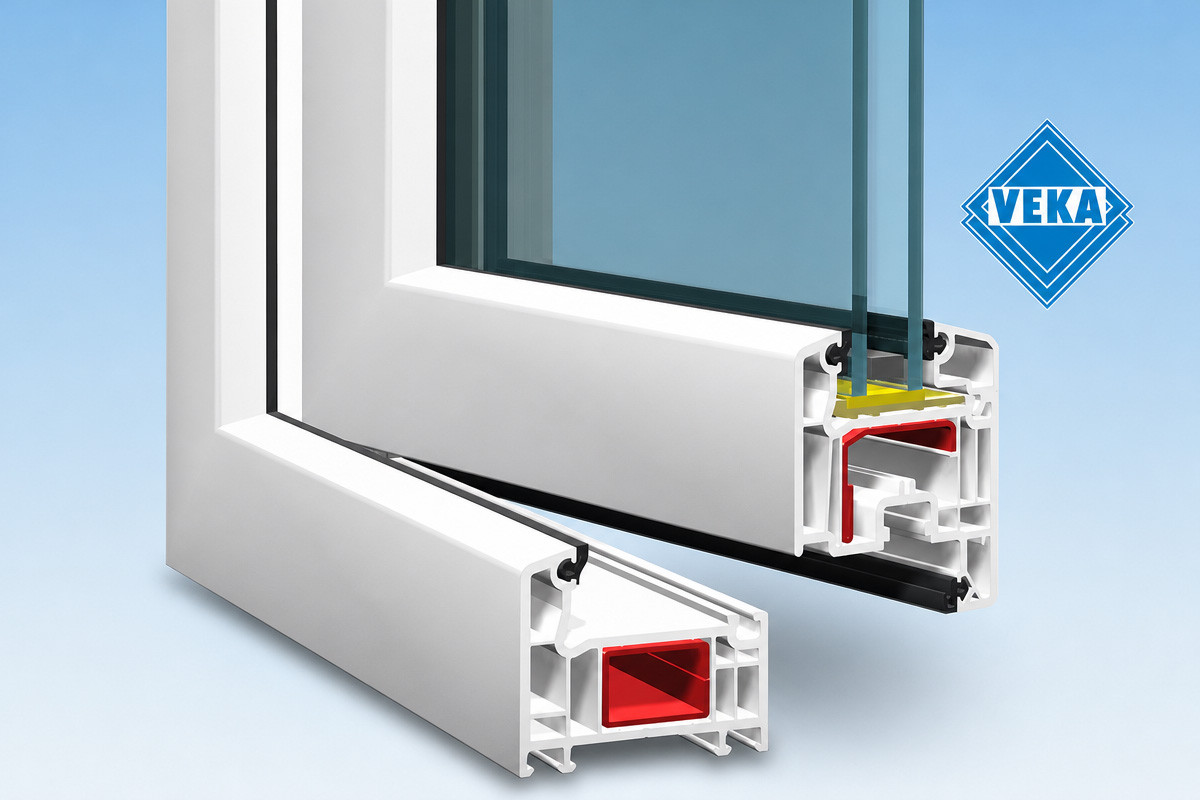
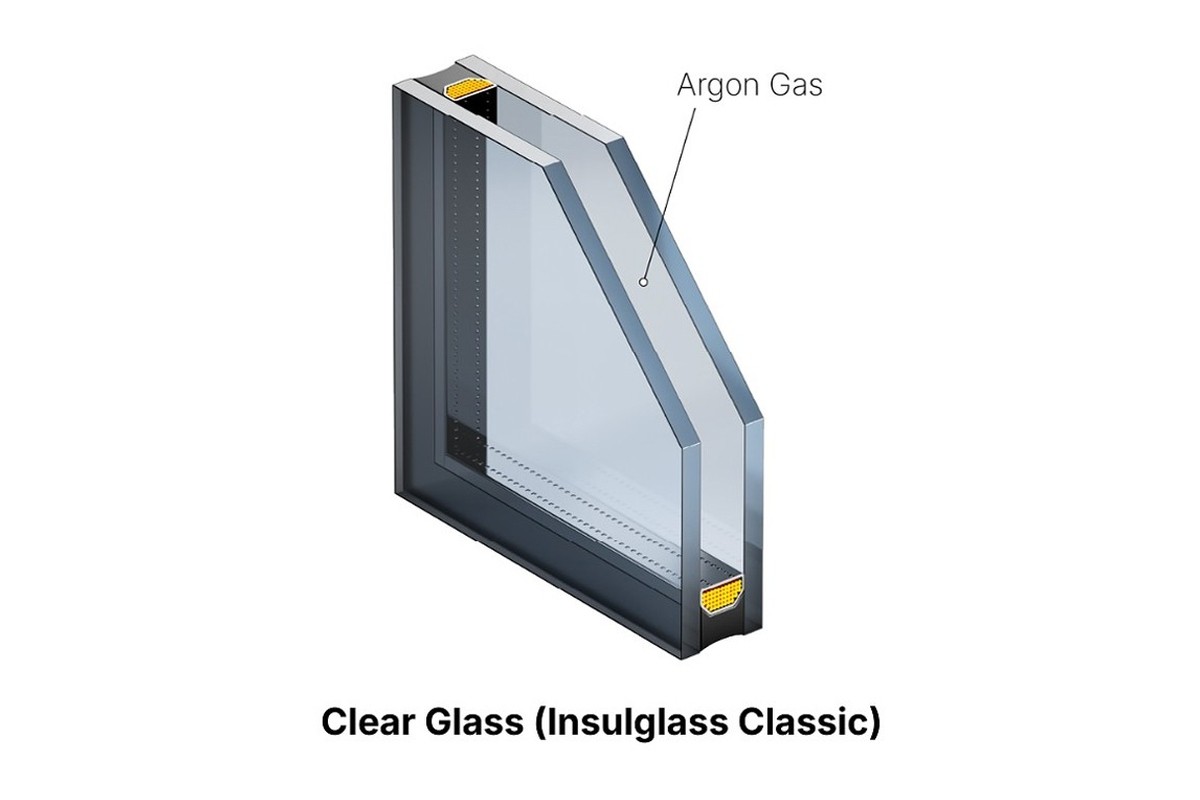
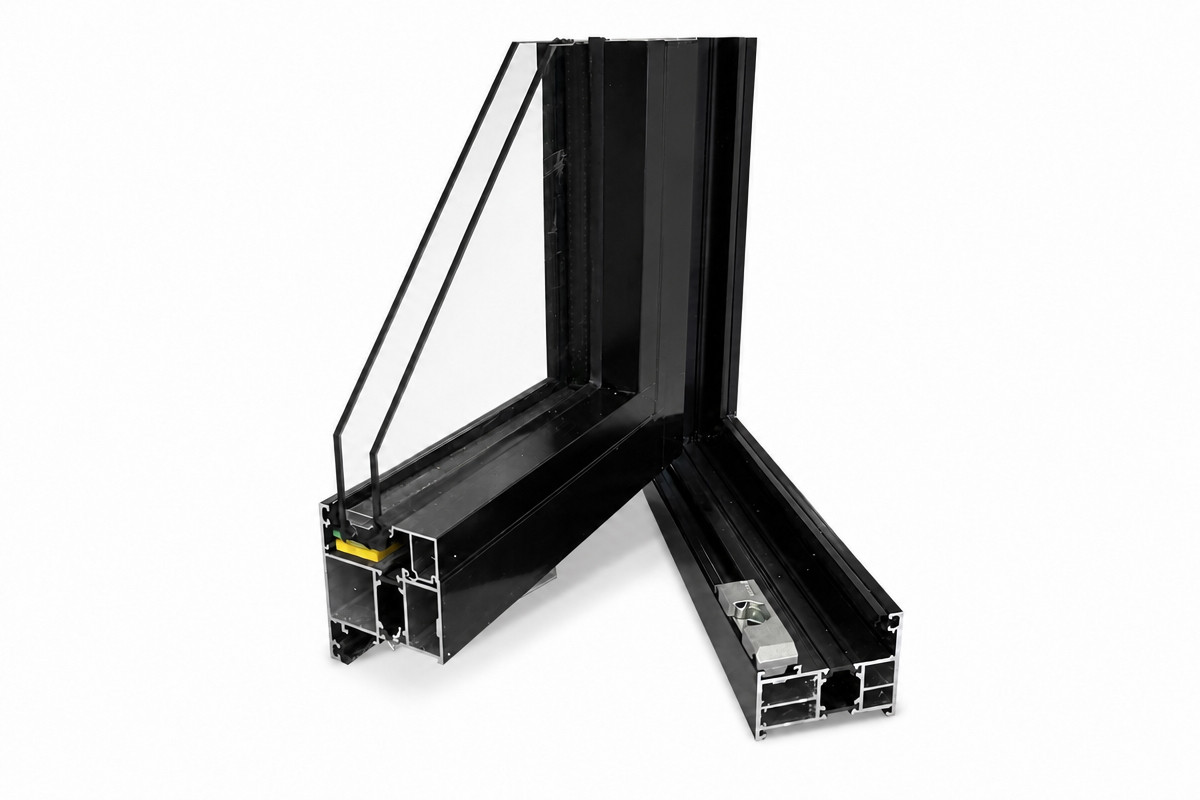
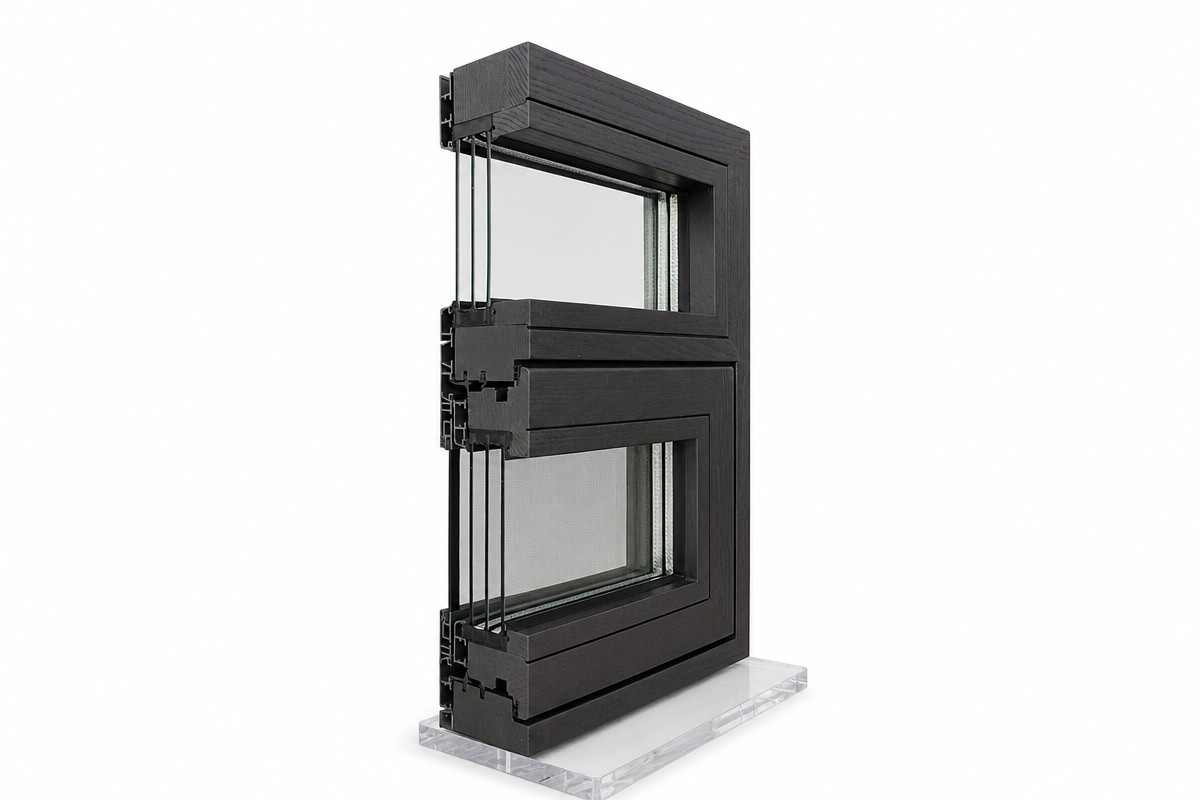
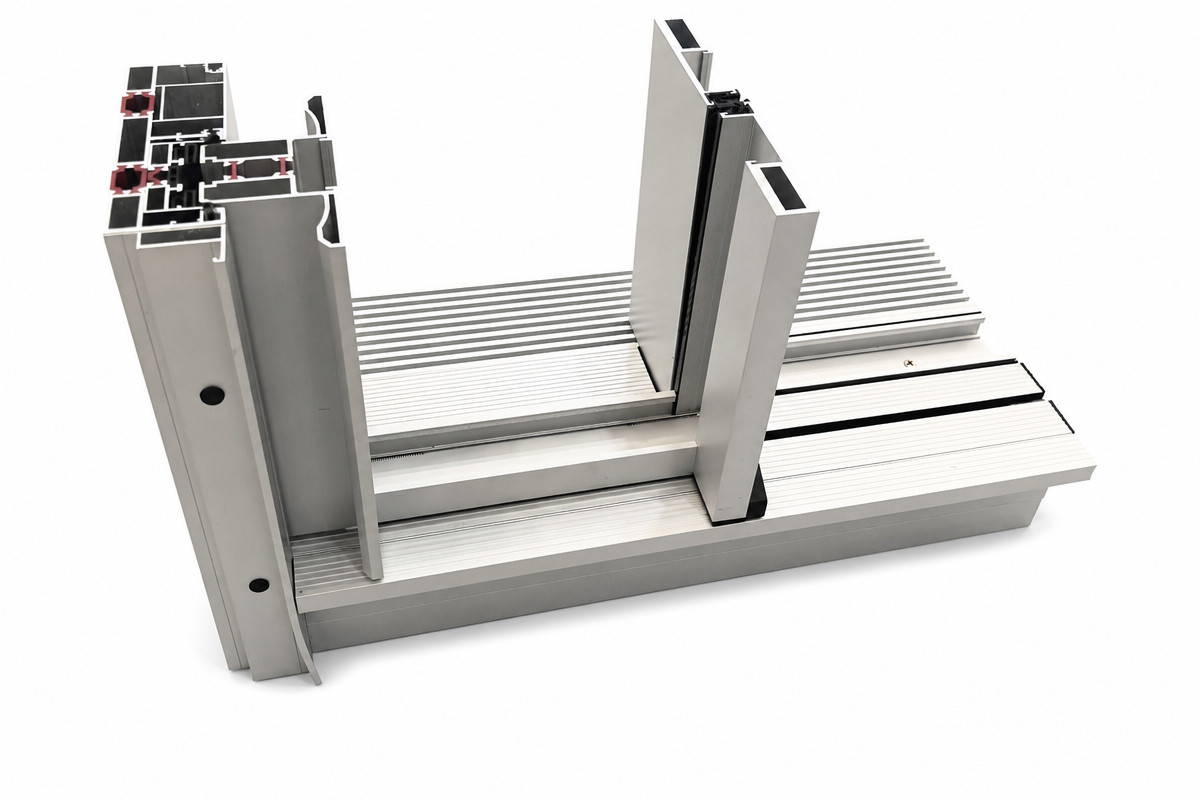
In modern residential and commercial architecture, energy conservation and acoustic comfort have become critical priorities. Installing high-performance custom double glazed windows is one of the most effective structural upgrades to reduce heating and cooling costs while creating a tranquil indoor sanctuary. Whether you are replacing old single-pane units or specifying fenestration for new construction, choosing premium double glazed glass window assemblies delivers superior thermal insulation and lasting property value. Modern double glazed aluminium windows and uPVC systems are engineered with precision Insulated Glass Units (IGU). By understanding what is double glazed windows and evaluating how different glass coatings and spacer widths interact, builders and homeowners can optimize their fenestration for extreme weather resistance and maximum energy efficiency. A double glazed window (also known as dual glazed glass or an Insulated Glass Unit) consists of three core engineering components: To understand how do double glazed windows reduce heat loss, it is helpful to analyze thermal transfer physics. Traditional single-pane glass allows rapid conductive heat transfer—acting as a thermal bridge where indoor heat escapes in winter and radiant solar heat penetrates in summer. In contrast, double glazing insulation slows all three methods of heat transfer: When asking why are double glazed windows good for modern construction, building scientists highlight several measurable double glazed windows benefits: The width of the spacer cavity and the filling gas determine the overall double glazing thermal performance and acoustic attenuation. Below is a comprehensive engineering comparison across standard and deep cavity configurations: For high-spec architectural projects, specifying a deeper unit such as a double glazing udr 26mm gap argon gas cavity (or double glazing but its udr and 26mm gap with argon gas) maximizes the boundary thermal buffer and accommodates thicker acoustic laminate panes without compromising overall frame thermal breaks. To maximize the thermal efficiency of double window glazing, the supporting perimeter frame must match the insulating capability of the glass unit. Explore our comprehensive guide on different types of aluminium windows and frame systems: Pairing your double-glazing units with specialized architectural double glazed glass options allows precise tailoring for specific solar, safety, and acoustic conditions. Consult our guide to choosing the right glass for windows and doors for deeper technical specifications: Whether you are designing a high-efficiency passive home, building a multi-family residential project, or sourcing certified architectural fenestration for Australian (AS2047/AS1288) or North American (NFRC) building codes, ROPO delivers custom factory-direct solutions engineered for extreme durability.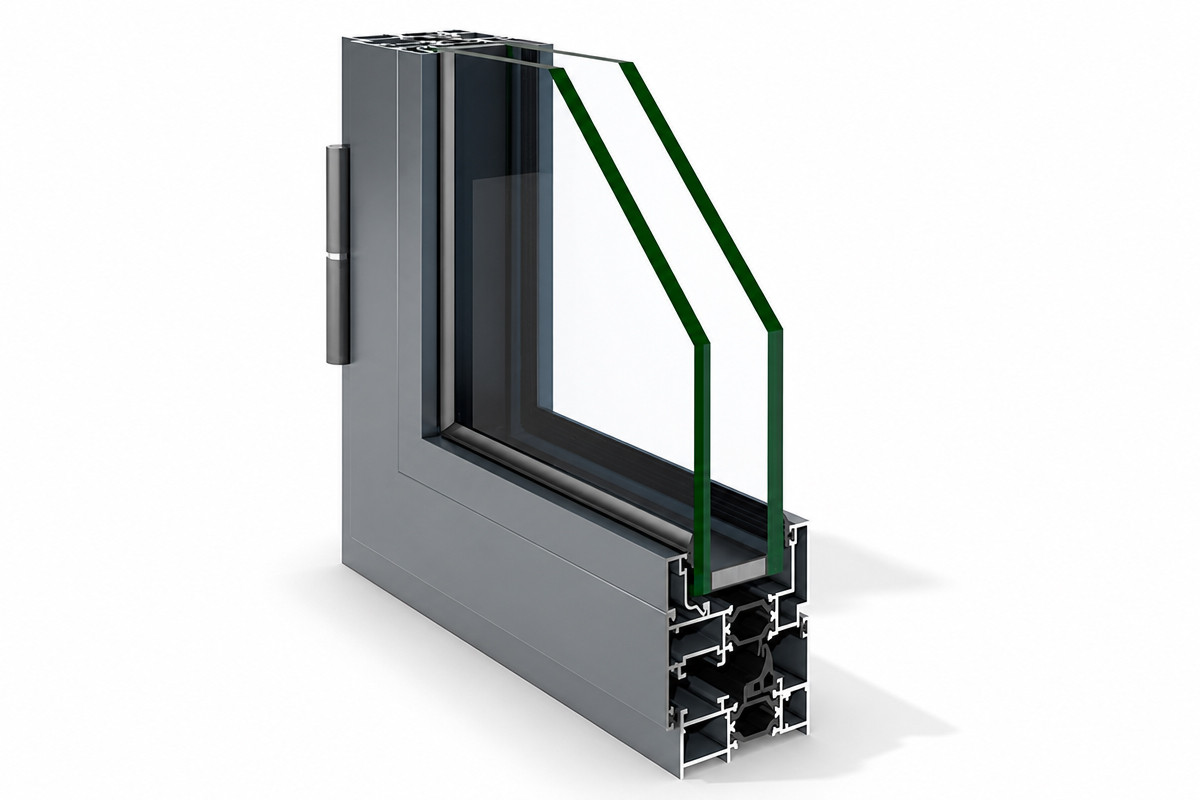
How Do Double Glazed Windows Reduce Heat Loss and Noise?
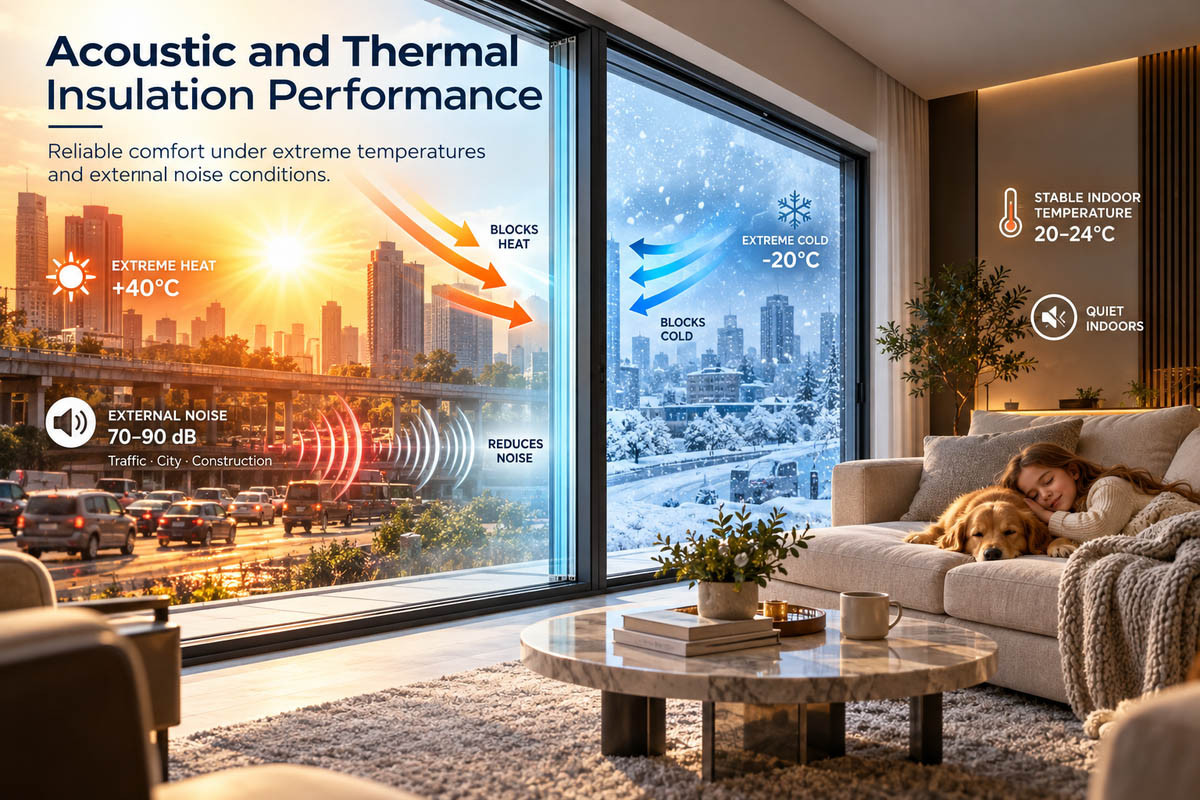
Key Double Glazed Windows Benefits
Double Glazing Air vs. Argon Gas Gap & Thermal Performance Comparison
Glazing Specification
Cavity Gap Width
Filling Gas
Center-of-Glass U-Value (Ug)
Acoustic Rating (Rw)
Condensation Resistance
Best Application
Standard Double Glass Window
6mm (6A)
Dry Air
2.8 – 3.1 W/m²K
28 – 30 dB
Moderate
Basic retrofit, mild climates
Standard Insulated Glass
12mm (12A)
Dry Air
2.4 – 2.7 W/m²K
30 – 32 dB
Good
Standard residential construction
Enhanced Argon Glazing
12mm (12A)
90% Argon Gas
1.6 – 1.9 W/m²K
31 – 33 dB
Very High
Energy-efficient homes, code compliance
High-Performance Dual Glazed Glass
16mm (16A)
90% Argon + Low-E
1.3 – 1.5 W/m²K
32 – 35 dB
Superior
Cold climate zones, passive building designs
ROPO Deep Unit (26mm Gap with Argon)
20mm – 26mm Gap
90%+ Argon Gas
1.1 – 1.3 W/m²K
35 – 38 dB
Maximum (Zero Fogging)
Severe climate zones, high-wind coastal & acoustic projects
Frame Materials Engineered for Double Glazing and Doors
Glass Coatings and Custom Double Glazing Configurations
Frequently Asked Questions (FAQ)
Ready to Upgrade to Certified Double Glazed Windows & Doors?