Passive House Windows for Apartment & Multifamily Projects: A Builder's Complete Guide
- Share
- publisher
- Benson
- Issue Time
- Jun 17,2026
Summary
The best Passive House windows for apartment and multifamily buildings combine low Uw values, excellent airtightness, triple glazing, and durable frame materials. Thermally broken aluminum and high-performance uPVC systems are commonly used because they meet energy-efficiency requirements while supporting large openings and modern architectural designs. This makes them ideal for builders seeking long-term performance, tenant comfort, and compliance with Passive House standards.
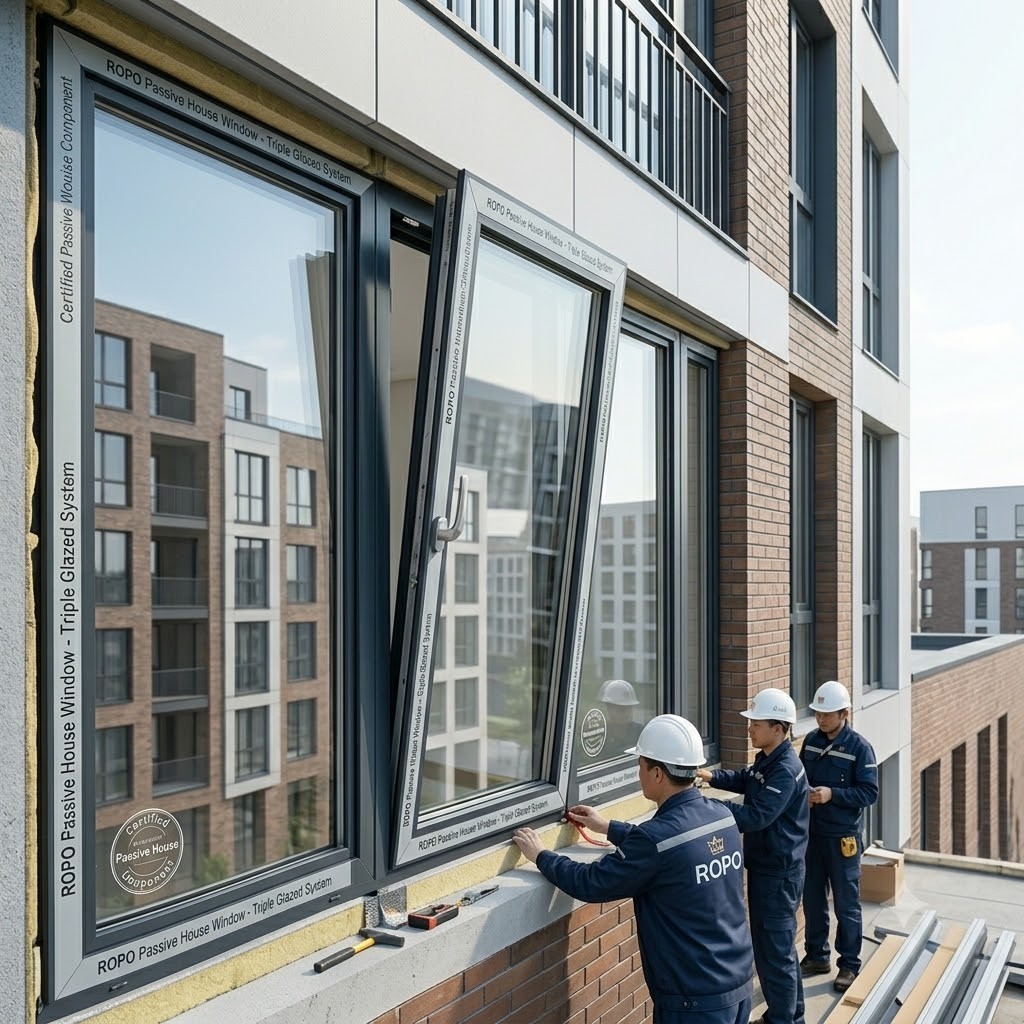
As energy regulations become stricter and developers focus more on sustainability, Passive House standards are rapidly influencing the design of apartment buildings and multifamily projects worldwide.
For builders and developers, selecting the right Passive House windows is one of the most important decisions affecting energy efficiency, occupant comfort, long-term operating costs, and project certification.
This guide explains what Passive House windows are, why they matter for multifamily developments, and how builders can choose the right supplier for their projects.
What Are Passive House Windows?
Passive House windows are high-performance window systems specifically engineered to minimize heat transfer, maximize airtightness, and improve overall building energy efficiency.
Typical Passive House window requirements include:
| Performance Requirement | Typical Standard |
| Uw Value | ≤ 0.80 W/m²K |
Triple Glazing | Recommended |
Low-E Glass | Required |
Warm Edge Spacer | Required |
Airtight Frame Design | Essential |
| Thermal Break Technology | Required |
Unlike conventional windows, Passive House windows are designed as part of a complete high-performance building envelope.
Why Passive House Windows Matter for Apartment & Multifamily Buildings
Lower Energy Consumption
Apartment buildings consume significant energy for heating and cooling. High-performance windows dramatically reduce heat loss during winter and solar heat gain during summer, helping lower utility costs.
Improved Resident Comfort
Tenants increasingly expect comfortable living environments. Passive House windows eliminate cold drafts and reduce indoor temperature fluctuations.
Better Acoustic Insulation
Many multifamily developments are located in busy urban environments. Triple-glazed Passive House windows significantly reduce external noise and improve occupant satisfaction.
Increased Property Value
Energy-efficient buildings often command higher rental rates and stronger resale value, making Passive House windows a long-term investment rather than a cost.
Common Challenges Builders Face
Meeting Energy Codes
Building regulations in Australia, Canada, the United States, and Europe continue to increase thermal performance requirements.
Balancing Cost and Performance
Builders need to achieve Passive House performance without exceeding project budgets.
Supporting Large Openings
Modern apartment projects frequently incorporate:
• Floor-to-ceiling windows
• Large sliding doors
• Corner glazing systems
These applications require strong structural window systems without sacrificing thermal performance.
Ensuring Airtight Installation
Even the best Passive House window can fail to perform if installed incorrectly.
uPVC vs Thermally Broken Aluminum Windows
Builders often compare uPVC and thermally broken aluminum systems when selecting Passive House windows.
| Feature | uPVC Windows | Thermally Broken Aluminum |
| Thermal Performance | Excellent | Excellent |
| Structural Strength | Moderate | High |
| Large Openings | Limited | Excellent |
Design Flexibility | Good | Excellent |
Durability | Good | Excellent |
High-Rise Suitability | Moderate | Recommended |
For apartment buildings and multifamily projects, thermally broken aluminum windows often provide the best balance of energy efficiency, structural strength, and modern aesthetics.
Key Performance Specifications Builders Should Verify
Before purchasing Passive House windows, builders should evaluate:
Uw Value
A lower Uw value indicates better thermal performance.
Air Leakage Rating
Air tightness directly affects building energy consumption and Passive House compliance.
Solar Heat Gain Coefficient (SHGC)
The optimal SHGC depends on climate conditions and building orientation.
Acoustic Performance
For urban developments, sound insulation can significantly improve tenant satisfaction.
Wind Load Resistance
Especially important for high-rise and coastal projects.
Five Costly Mistakes Builders Should Avoid
1, Choosing Windows Based Only on Price
The lowest upfront cost often results in higher lifecycle expenses.
2, Ignoring Installation Requirements
Proper installation is critical for achieving Passive House performance.
3, Not Requesting Performance Reports
Always verify testing data and certification documentation.
4, Overlooking Climate Conditions
Window specifications should match local environmental requirements.
5, Selecting Inexperienced Suppliers
Choose suppliers with proven experience in apartment and multifamily projects.
Why Builders Choose ROPO Windows
ROPO Windows is a leading China aluminum window manufacturer serving builders, architects, developers, and wholesalers worldwide.
Custom Solutions
We provide customized window and door systems tailored to project requirements.
Advanced Thermal Break Technology
Our thermally broken aluminum systems deliver exceptional energy efficiency while supporting large architectural openings.
High-Performance Glass Options
Available with:
• Double glazing
• Triple glazing
• Low-E glass
• Argon-filled units
Global Compliance
Our products support projects across:
• Australia
• New Zealand
• United States
• Canada
• Caribbean Region
Extensive Project Experience
ROPO has successfully supplied residential, commercial, and multifamily developments worldwide.
Passive House Window Cost for Apartment Projects
Several factors affect pricing:
• Window dimensions
• Glass configuration
• Frame material
• Project quantity
• Certification requirements
• Customization level
Although Passive House windows require a higher initial investment, they often deliver substantial energy savings and long-term value.
Conclusion
Passive House windows have become an essential component of modern apartment and multifamily developments. Builders must consider thermal performance, airtightness, durability, and supplier expertise when selecting window systems.
For projects requiring custom-engineered Passive House window solutions, ROPO Windows provides high-performance thermally broken aluminum and energy-efficient window systems designed to meet the demands of modern construction.
Contact ROPO Windows today to discuss your next apartment or multifamily project.
FAQs
Are triple-glazed windows required for Passive House projects?
Triple glazing is highly recommended and often necessary in colder climates.
Can aluminum windows meet Passive House standards?
Yes. Modern thermally broken aluminum systems can achieve Passive House-level performance.
What Uw value is required?
Most Passive House projects target Uw values of approximately 0.80 W/m²K or lower.
Are Passive House windows worth the investment?
Yes. They improve energy efficiency, occupant comfort, and long-term building value.
How long do Passive House windows last?
High-quality systems can last 30 years or more with proper maintenance.