Sourcing Windows and Doors for Caribbean and Coastal US Projects: Hurricane Ratings, Salt Air and Shipping Explained
- Share
- publisher
- ROPO Windows
- Issue Time
- Sep 17,2026
Summary
Windows for Caribbean and coastal US projects are specified in a different order from inland work: approval first, then corrosion, then glazing and freight. This guide covers what Miami-Dade approval tests, how salt air attacks frames and hardware, how to choose between aluminium and uPVC, what to state in a wind load and water penetration specification, the documents your permitter, insurer and customs broker will ask for, and how to ship glazed units safely to island sites.
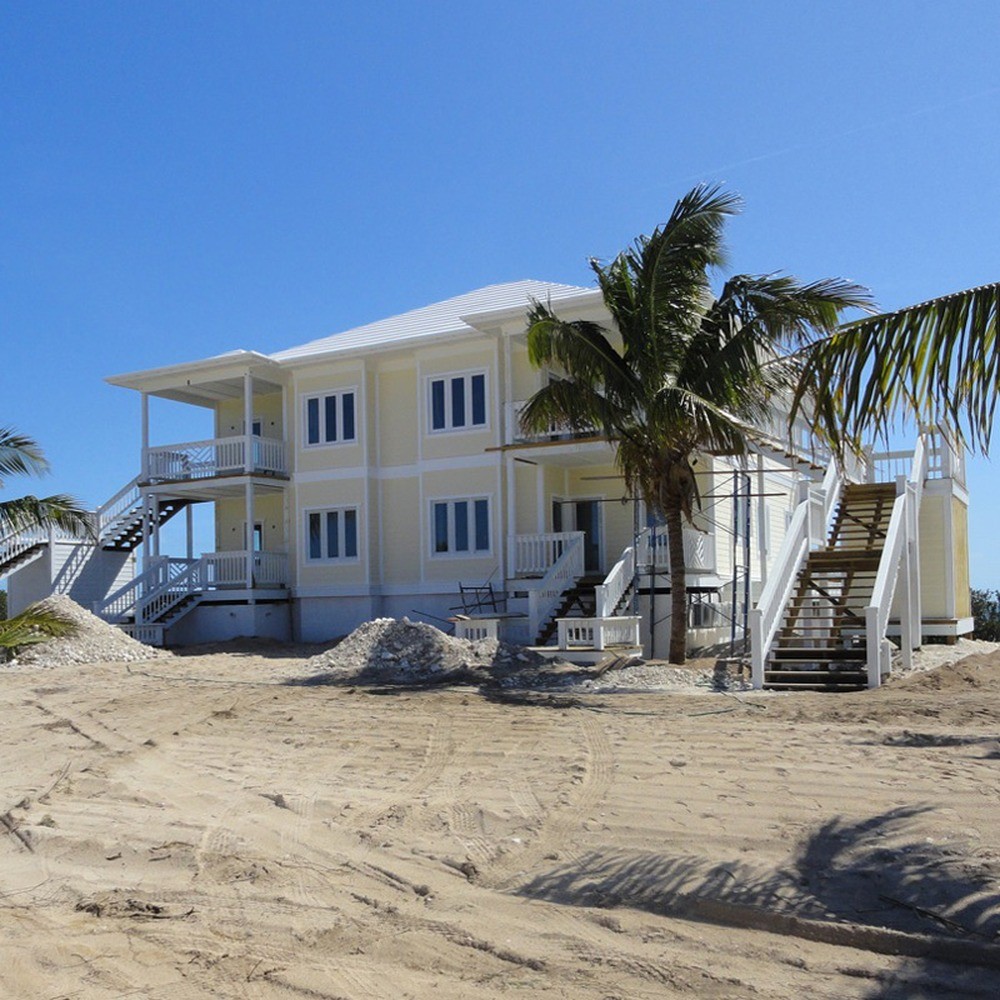
Why Coastal and Caribbean Projects Need a Different Window Specification
A window that performs well three hundred kilometres inland can fail within a season on a coast. Sustained wind, wind-borne debris, salt-laden air, driving rain and intense ultraviolet light all act on the frame, the seals and the hardware at the same time, and island projects add one more constraint: every replacement part has to arrive by sea. A specification that ignores those conditions does not save money, it moves the cost into the maintenance budget and the warranty claim.
Three things change on a coastal schedule. The performance requirement rises from keeping weather out to a documented impact and pressure rating demanded by the building code or the insurer. The finish and the hardware grade have to survive chloride exposure rather than simply resist rain. And packing and shipping stop being an afterthought, because a unit that arrives with a cracked laminated pane or a bent track costs a second shipment to put right. The impact-rated systems described for hurricane impact windows for coastal projects are built for exactly this combination of requirements.
The order of decisions matters as much as the decisions themselves: rating and approval first, because they filter everything else; frame material and hardware grade second, because that is what corrosion attacks; glass build-up third, because impact glazing is thicker and heavier and changes frame depth. Projects that fix the rating early receive comparable quotations; projects that begin with a price receive numbers that cannot be compared.
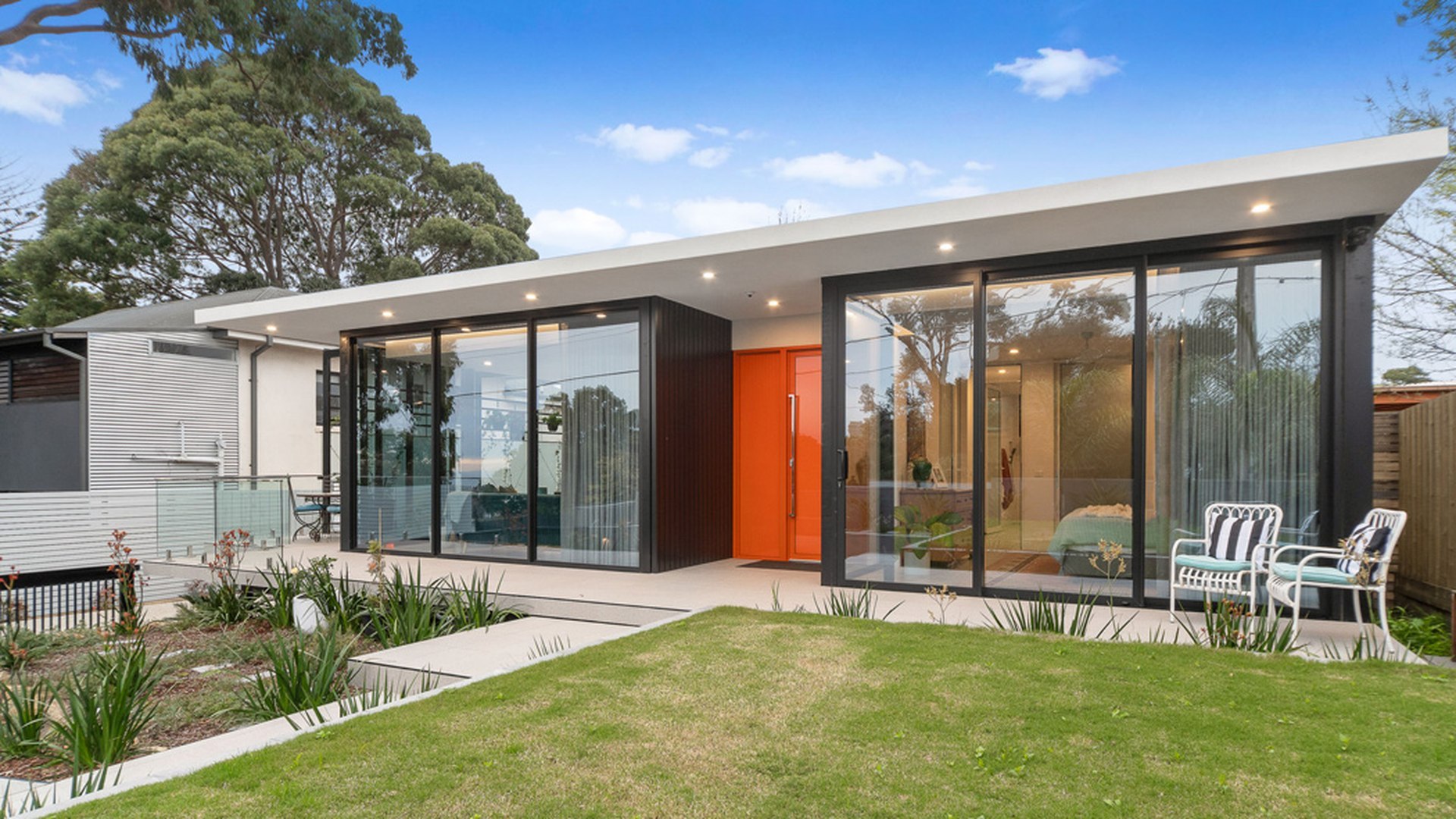
Hurricane Ratings Explained: What Miami-Dade Approval Covers
In the Caribbean and in the coastal counties of the United States, the rating buyers are asked for most often is Miami-Dade approval, sometimes referenced as a product approval number. It is not a statement about a brand. It is the result of testing a defined product, in a defined size, against a defined protocol, and that distinction decides whether the evidence you hold will be accepted.
What the two impact tests measure
The large missile test fires a nine-pound timber projectile at the assembled unit. The small missile test fires gravel-sized projectiles, which is the hazard that ballast and roof debris create in a real storm. Impact alone is not sufficient evidence: after the missile strikes, the unit must survive thousands of positive and negative pressure cycles at the design pressure before water penetration and structural performance are assessed. A window in a hurricane has to fail safely or not fail at all, and pressure cycling is what exposes the unit that cracked on impact but held its shape.
Wind load and impact rating answer different questions
A wind load figure states the pressure that the frame, glazing and fixings must resist at a given location, height and exposure. An impact rating states what the assembly can survive when debris strikes it. A coastal project usually needs both, and they are documented separately. If your engineer has calculated a design pressure for the site, that number belongs at the top of your opening schedule, because it determines frame depth, mullion spacing and anchorage detail before any price can be quoted. Tested systems and their size ranges are listed with the technical documents in the product catalogues and technical documents library, and recent hurricane-rated window projects delivered in the United States show how an approval is applied on real coastal buildings.
One detail is worth checking on every certificate before you accept it: the size. A product approval covers a defined size or size range, so a report for a smaller unit in the same family is not evidence for an oversized door leaf. Naming the system and the size you are buying is also the fastest way to receive the correct document from a factory.
Salt Air, Corrosion and Choosing Between Aluminium and uPVC
Salt air does not damage glass, and it does not dissolve a well-made frame. It attacks small metal parts and surface finishes: hinges, rollers, handles, screws, and any fixing or coating not specified for chloride exposure. Coastal hardware is therefore the most common cause of premature failure on both aluminium and uPVC systems, and the cheapest item on the schedule to specify correctly at the start.
Aluminium on exposed coastal sites
Aluminium is normally chosen where spans are wide, sightlines need to be slim or the elevation takes the full wind pressure. In a marine environment it should never be specified uncoated: a properly applied architectural powder coating or anodised finish is what separates a window that still looks new after a decade from one with white corrosion bloom along the mullions. Thermally broken profiles are needed for energy performance and condensation control, and the drainage path deserves attention, because coastal rain arrives almost horizontally and every sill and track has to shed water faster than inland designs are asked to. Profile, finish and thermal break options are set out per series in the thermally broken aluminium window systems range.
uPVC on island and high-humidity projects
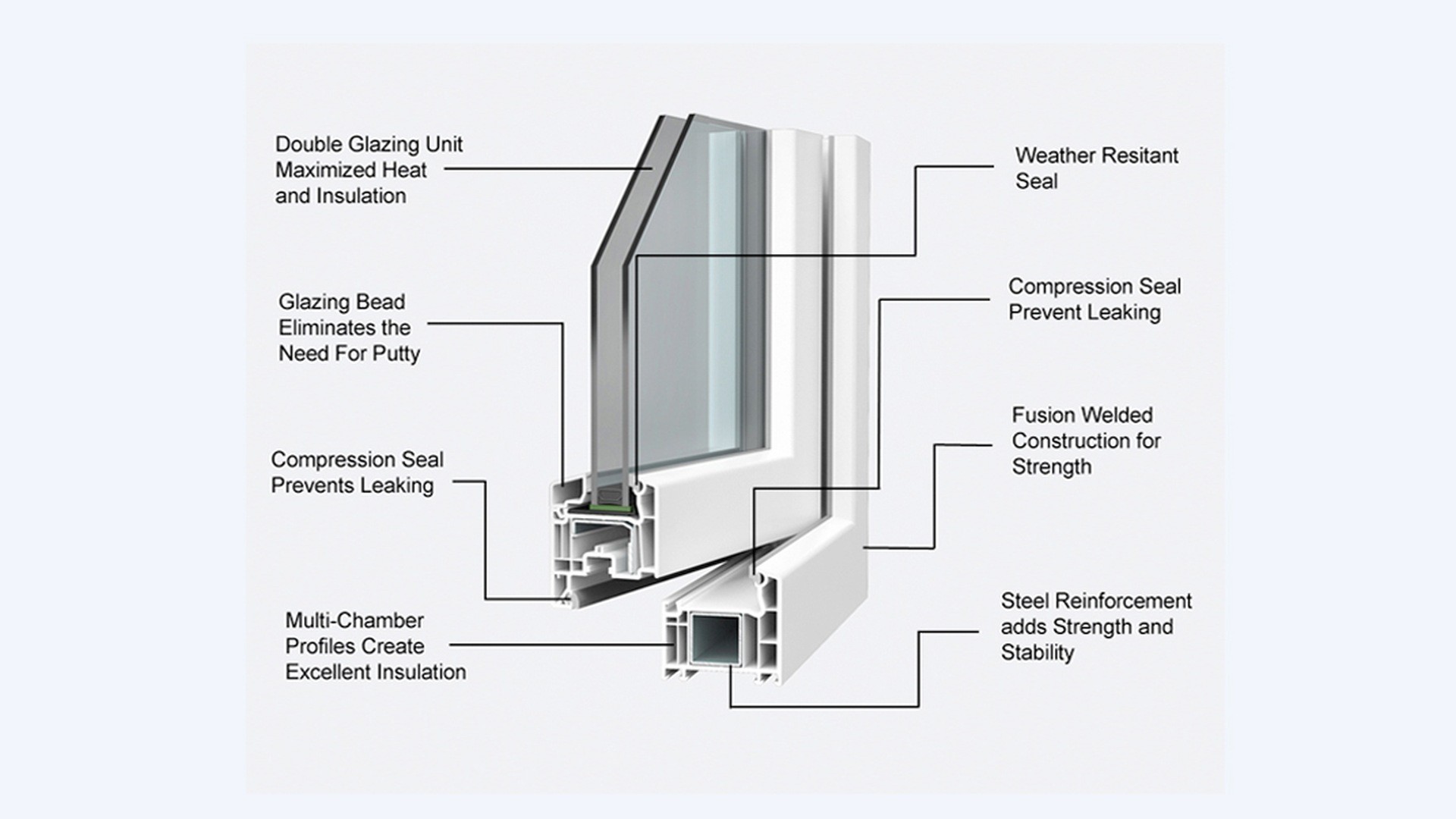
uPVC behaves differently. It does not rust and is unaffected by salt spray, which makes it a strong candidate for island projects where a maintenance visit costs a flight rather than a phone call. Multi-chamber profiles with internal steel reinforcement and fusion-welded corners provide the rigidity, and the material can be produced in solid colours or woodgrain finishes, including dual-colour profiles with a different face inside and out. The available uPVC material and colour options are worth reviewing before a coastal schedule is finalised, because a colour decision is far cheaper to change on paper than inside a container.
Hardware and fixings that survive salt air
Set the hardware grade before production starts, not after the first service call. Stainless steel components and marine-appropriate fixings hold up where plated parts pit and seize, and door rollers, hinges and multi-point locks are the components that decide how a unit feels after five years of salt exposure. The window and door accessories and hardware range lists what can be specified per system, including the components that are normally upgraded for coastal orders. A simple routine extends the life of any coastal installation: rinse frames and tracks with fresh water, keep drainage slots clear of sand, and lubricate moving hardware with a non-greasy product. Installations of this type, including work delivered for hurricane-rated window projects in the Caribbean, are the practical reference for what a salt-air specification has to withstand.
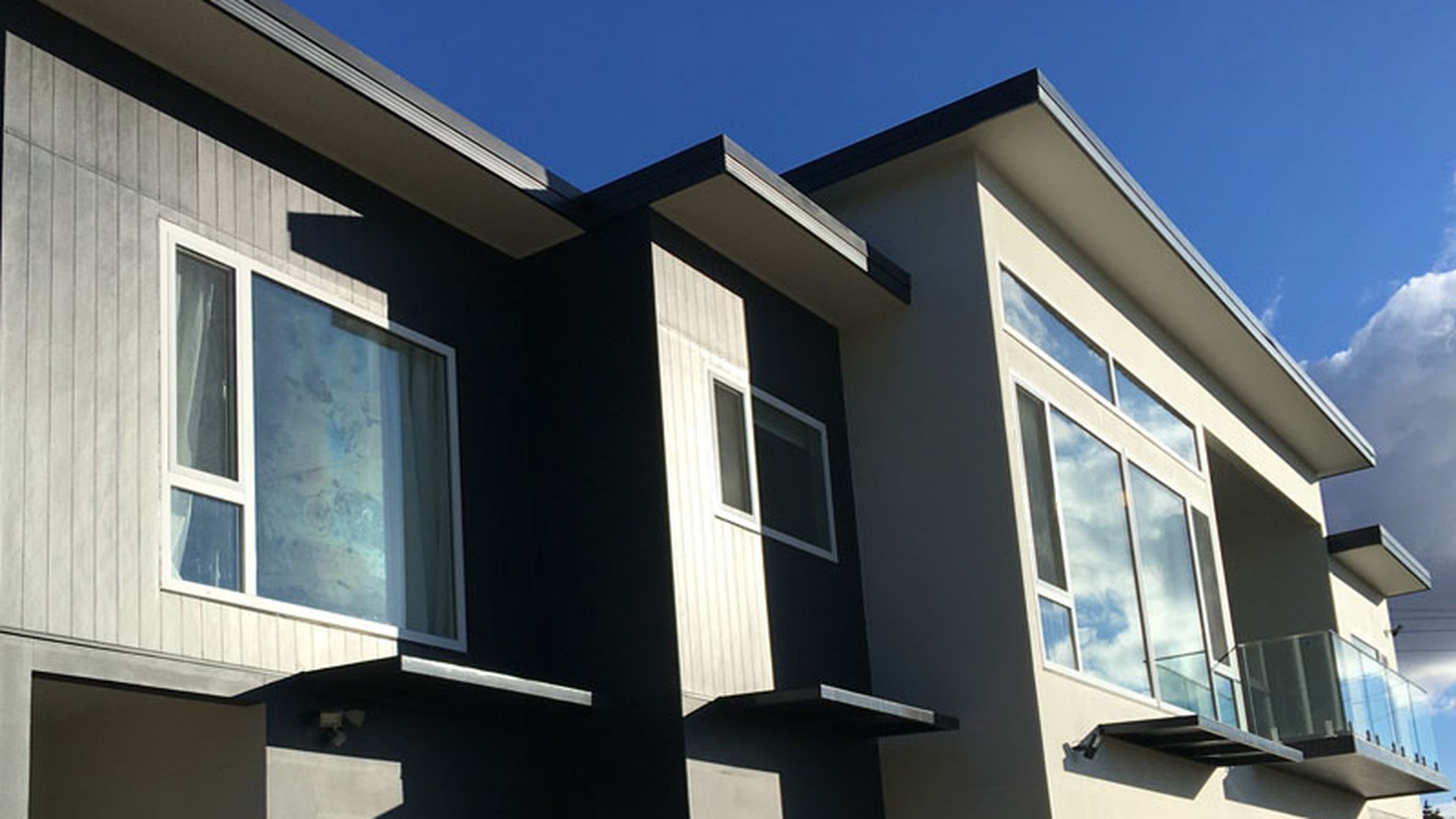
Glass, Wind Load and Water Penetration: Specifying Coastal Performance
On a coastal schedule the glazing is specified for impact and safety first and thermal performance second. Laminated glass is the default for impact applications because the interlayer holds the pane together after breakage, keeping the opening closed and the glass inside the frame; toughened glass is used where safety rather than impact resistance is the driver. Where impact protection and thermal performance are both required, a laminated inner pane combined with a low-emissivity coated outer pane in one sealed unit is the usual build-up, and the frame depth has to be confirmed for the thicker assembly.
| Requirement | What to state in your opening schedule | Why it matters on a coast |
|---|---|---|
| Impact protection | Laminated interlayer type and thickness, or the impact-rated system and glass build-up | Decides whether the unit can be approved for a wind-borne debris region |
| Wind load | The design pressure for the site, with the height and exposure the figure assumes | Sets frame depth, mullion spacing and anchorage detail |
| Water penetration | The test pressure the assembly must achieve, and whether a drained sill or sub-sill is fitted | Driving rain finds the weakest junction rather than the average one |
| Air infiltration | The leakage class required by your code, certifier or client brief | Drives comfort, energy use and, on some projects, certification |
| Thermal performance | U-value or solar heat gain target, cavity width, gas fill and warm-edge spacer | Trades solar gain against cooling load, which dominates island projects |
| Salt air exposure | Frame finish, hardware grade, and how many faces of the building are exposed | Corrosion resistance is decided on paper, not on site |
| Safety glazing | Which panels are toughened, laminated, or both | Required at door leaves, low-level glazing and balustrade interfaces |
Two specification habits prevent most coastal glazing problems. The first is stating the requirement as a tested figure rather than a descriptive word, because "hurricane resistant" cannot be checked by a certifier and a design pressure can. The second is keeping every opening in one schedule: most coastal projects mix fixed lights, operable windows, sliding doors and entry doors, and assembling the whole schedule with the same glazing and finish logic makes the order cheaper to produce and simpler to install. The glass and glazing options for coastal projects page covers the build-ups that suit impact and humidity, while custom windows built to a project specification and matching doors for the same coastal schedule show how both product lines are produced together for one elevation.
Documents for Permits, Insurance and Customs Clearance
The paperwork is what turns a good window into an approved installation, and on a coastal project three parties ask for it: the authority that issues the permit, the insurer who prices the risk, and the customs broker who releases the container. They want versions of the same evidence, so assembling it once and in full is more efficient than answering three separate requests.
- the full test report for the system, not a brochure summary, naming the standard and the size range tested;
- the product approval or certificate of conformity, with the approval number a certifier can verify;
- glass certificates for the glazing build-up, including the laminated interlayer and coating specified;
- anchorage and assembly details showing how the frames are fixed to the structure at your design pressure;
- a commercial invoice whose description matches what is actually shipped, with a packing list that matches the crates;
- a certificate of origin, which your broker needs for duty and preferential treatment decisions.
Two failures cause most of the delay. The first is an invoice description too vague to classify, which turns a routine release into a physical inspection. The second is a certificate that names a different size or a different system from the one on the order. Request the documents when the order is placed rather than when the vessel sails, and check the size reference yourself before the paperwork leaves the factory. Most Caribbean markets accept Miami-Dade or ASTM-based evidence, but the authority that signs off your building is the one that decides, so confirm the standard locally at the start of the project and the factory can supply the matching document instead of a substitute. The relevant files are grouped in the window and door compliance and technical documents library, and questions about which document applies to a given project are answered in the window and door order and compliance FAQ.
Shipping to the Caribbean and Coastal US: Packing, Ports and Terms
Island logistics reward planning more than any other part of a coastal order. Sailings are fewer than on the main transatlantic routes, transhipment is common, and humidity at the destination stays high all year, so packing has to protect glass, hardware and finishes through more handling events than an inland delivery would see.
Packing glazed units for a sea crossing
Impact glazing is heavier than standard double glazing, which changes the crate design rather than the transport story. Frames are crated with corner guards, glass faces are covered with protective film, and loose hardware travels separately so it cannot damage a pane in transit. Crates are marked so they can be opened in the order the installation is planned, which matters when a site has limited storage, and staged projects are packed by building or by floor. A full container gives the lowest freight per unit and the least handling, while less-than-container-load shipments reduce the minimum volume at the cost of your crates being moved alongside other cargo.
Ports, terms and clearance
ROPO ships from the ports of Fuzhou and Xiamen, which offer regular sailings to North America, the Caribbean and Europe. The trade term you choose decides where your responsibility begins, and on island routes the difference between the common terms is practical rather than academic.
| Term | Seller arranges | Buyer arranges | When it suits an island project |
|---|---|---|---|
| EXW | Packing only; goods collected at the factory | Inland haulage, freight, insurance and clearance | Buyers who already work with a forwarder that has strong Caribbean routing |
| FOB | Inland haulage, export clearance, loading on board | Ocean freight, insurance, import clearance, duties | The usual choice for a first container: control without the export paperwork |
| CIF | Inland haulage, export clearance, freight and marine insurance | Import clearance, duties, inland delivery | Simplest to start where the factory's carrier has better rates to your port |
| DDP | Everything through to delivery, duties paid | Nothing beyond acceptance | Rarely offered to island destinations; practical mainly for small trial orders |
Two habits protect the shipment. Ask for photographs of the packed crates before the container doors close, so the loading you cannot attend is documented, and appoint an independent inspector when the order value justifies the cost. Marine insurance should be arranged on terms that match the Incoterm you selected, and the destination port should be stated on the schedule so freight is quoted on the same basis by every supplier you compare.
About ROPO Windows
ROPO is a custom windows and doors manufacturer based in Fuzhou, Fujian Province, China, with 16 years of experience in bespoke window and door production. The factory ships to clients in more than 100 countries and regions, including coastal and island markets where the specification demands are highest, and works to a simple operating philosophy that the whole team follows: "Do what we say we are gonna do."
For a coastal buyer, the relevant question is what that experience covers. Frames are cut, assembled and reinforced in-house, hardware is fitted by trained operators, and each completed unit carries a barcode for full production traceability. Products are manufactured and tested to recognised standards including AS2047 and NZS4211 for Australia and New Zealand, and Miami-Dade approval is available for hurricane-rated coastal projects. A minimum order quantity of one piece makes it practical to validate a system on site before committing a full container, every order is backed by a 10-year warranty, and Trade Assurance protection covers product quality, on-time shipment and payment. Company and factory details are on the ROPO Windows factory profile page, and the cover provided per product is listed in the window and door warranty list.
Custom Production Process
Coastal orders follow the same export workflow as every other ROPO project, with the rating and finish decisions locked in before any material is cut:
- Design confirmation - your opening schedule, dimensions, colour, glass build-up and rating requirement are reviewed and confirmed before production starts.
- Profile preparation - profiles are cut and machined on CNC equipment, thermal breaks and internal reinforcement are set in place, and frames and sashes are assembled to your exact layout.
- Hardware and glazing - multi-point locks, hinges or rollers and the specified glass unit are fitted and sealed by trained operators; the factory production and inspection videos show the assembly and testing stages as they actually run.
- Five-step quality control - every order passes order review, raw material inspection, semi-finished product inspection, finished product inspection and a final inspection report before packing.
- Documents and traceability - test reports, compliance certificates and packing documentation are prepared for the shipment, and each unit is barcoded so its production history can be traced if you ever need support.
Because dimensions, glazing and hardware are agreed in writing before production, a change cannot quietly appear on a site that is three weeks of sailing time away.
Packaging and Shipping
Units travel from Fuzhou to coastlines in Australia, New Zealand, North America, Europe and the Caribbean, so packaging is treated as part of the product rather than as a cost to be minimised. Frames are protected with sturdy timber crating and corner guards, glass surfaces are covered with protective film, and loose hardware is packed separately where needed so it cannot damage a unit in transit. Crates are arranged so that a site can open them in the order the installation is planned.
ROPO ships from the ports of Fuzhou and Xiamen by sea, with full container and shared LCL options to suit the size of the project. On-time delivery is managed through a system rather than a promise: profile and hardware inventory is kept in stock, raw materials are typically procured within one to two days, and orders are followed up at every production stage. Ready inventory of profiles and hardware is what shortens lead time on a repeat configuration.
To move forward, send your opening schedule with dimensions, quantities, glass preference, hardware grade, packing requirements and the destination port. Adding the project location and the standard your certifier or insurer requires means the reply can include compliance advice for your region as well as a price. Start with the quick selection and quotation form for a free project price, send your coastal window and door inquiry or contact the ROPO export team directly, and read more sourcing and technical guides on the ROPO windows and doors blog.