Sourcing Windows and Doors for Commercial and Multi-Unit Projects: Scheduling, Documentation and Logistics
- Share
- publisher
- ROPO Windows
- Issue Time
- Sep 20,2026
Summary
Commercial and multi-unit window packages are won on scheduling, documentation and logistics rather than on unit price. This guide covers what a project specification has to lock down across hundreds of openings, how to sequence production against a construction programme, which certificates and traceability records a certifier or main contractor will ask for, how to phase container deliveries to match site storage, and how quality control is scaled across a repeat batch.
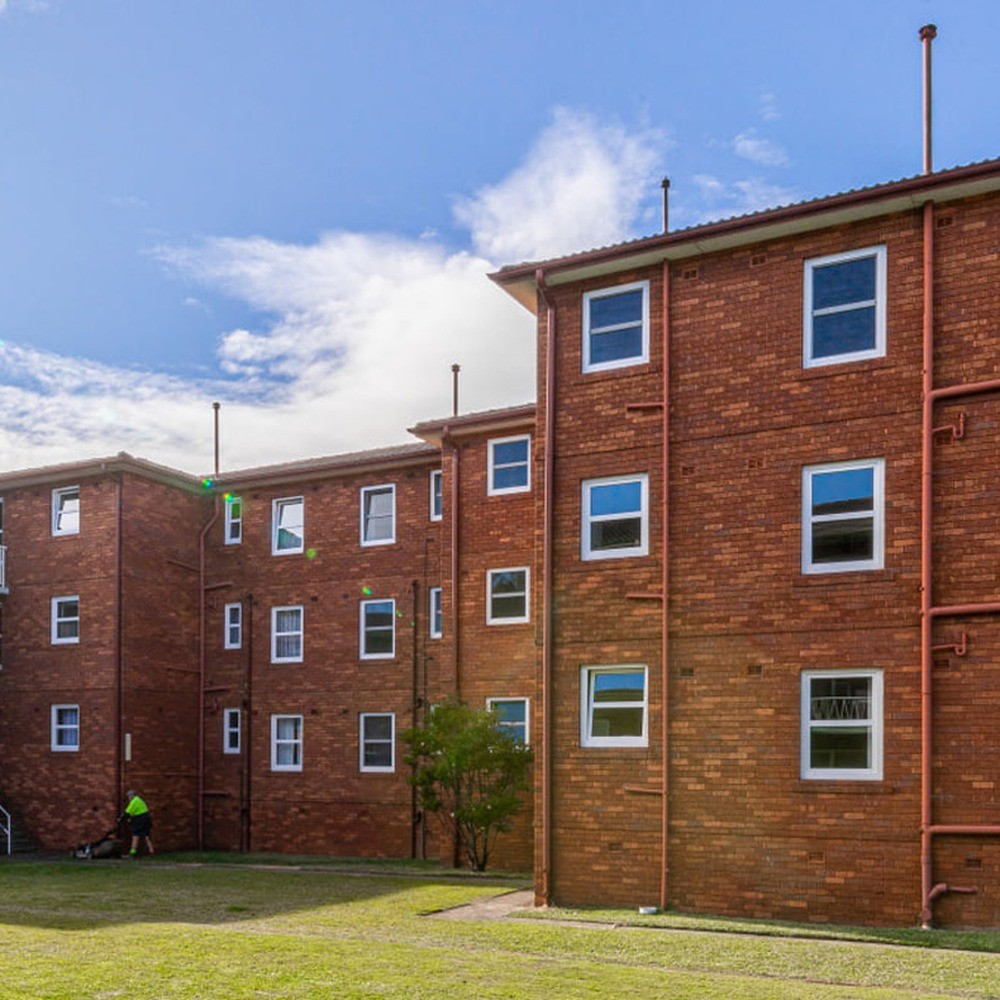
Why Commercial and Multi-Unit Projects Buy Differently
A single-house order is judged unit by unit. A commercial or multi-unit order is judged as a programme. The windows and doors themselves are the same products, but everything around them changes: one specification has to hold across hundreds of identical openings, production has to land in the order the site can actually accept it, and every certificate and packing list has to survive a level of scrutiny a private client would never apply.
That difference explains most of the problems that surface on project orders, and almost none of them are manufacturing faults. Batches arrive complete but in the wrong sequence. A specification gets agreed verbally and is then interpreted three different ways across three opening types. Everything is delivered in one drop when the site can only store two floors' worth of frames. Documentation turns up after the certifier has closed the file. Each of those costs far more to correct on site than the glazing cost to buy, and each is decided long before the first profile is cut.
The practical answer is to run procurement as three connected workstreams rather than one purchase order: a specification that leaves nothing to interpretation, a production and delivery sequence mapped to the construction programme, and a documentation and quality trail that arrives with the goods instead of after them. The systems that this guide applies to are set out in the custom windows and doors built to a project specification range, with the matching door systems covered under custom doors for residential and commercial projects.

What a Project Window Package Has to Specify
On a single house, a mistake in one opening is an inconvenience. On a multi-unit project, the same mistake repeats across every floor, every block and every building type on the site, and it repeats again on every phase that follows. The specification is therefore not paperwork, it is the control that prevents a small error from being multiplied by the size of the order.
Openings, systems and performance
An opening schedule should list every window and door by mark number, with the opening size, the system it belongs to, the configuration, the handing and the intended location in the building. Grouping them by system rather than by mark is what makes the order manufacturable: a project that looks like 400 separate items is usually six or seven systems repeated, and those repetitions are where the volume savings actually come from. Performance requirements belong on the same schedule, expressed as the standard the project must satisfy rather than as a preference, so that the correct system and glass build-up can be selected once and applied everywhere.
Glass, hardware and finish consistency
Glass is the most common place for a multi-unit specification to drift. The glass and glazing options page shows how much the build-up can vary between double and triple glazing, laminated and toughened panes, cavity widths and low-E coatings, and each variation changes both performance and cost. The rule for a project is simple: decide the build-up per system, not per opening, and write it down. The same discipline applies to hardware, where the window and door accessories and hardware range lists what can be specified per system, and to finish, where the uPVC material and colour options and the thermally broken aluminium window systems define the internal and external colours that have to remain identical across every release.
The schedule inside the specification
The last page of a specification is the one most often left blank and the one that causes the most expensive arguments: when each group of units is required on site. A window package cannot be scheduled against a single delivery date if the building is handed over in phases, and it cannot be scheduled against a phase date if nobody has said which floors belong to which phase. Writing the required-on-site dates into the specification, alongside the mark numbers they belong to, turns a vague deadline into something production can actually be sequenced against.
| Specification item | What it must state | Why it matters at volume |
|---|---|---|
| Opening schedule | Mark number, size, system, configuration, handing, building location | One misreading repeats across every identical opening on the project |
| Performance requirement | The standard the project must meet, not a preference | Lets the system and glazing be fixed once for the whole package |
| Glass build-up | Pane thickness, cavity, coating, interlayer, per system | Prevents identical-looking units arriving with different performance |
| Hardware and finish | Brand, grade, colour, internal and external finish per system | Keeps a long run visually and functionally consistent |
| Required-on-site dates | Date per phase or per mark group, not one date for everything | Makes the production sequence and the delivery plan possible |
| Documentation list | Certificates, test reports, packing lists, warranty terms | Anything agreed late arrives late, usually after inspection |
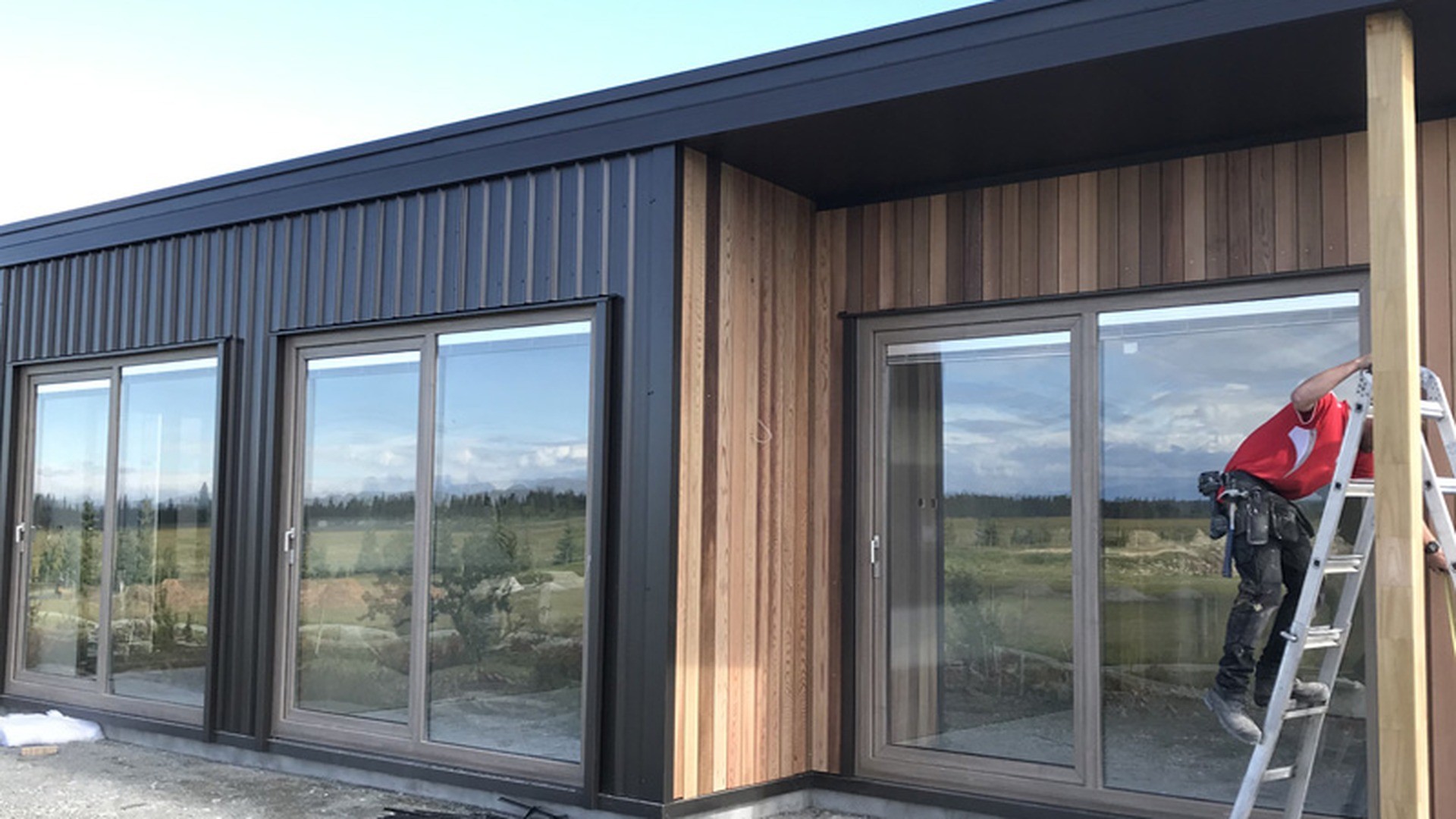
Scheduling Production Against a Construction Programme
A project order is not a large order produced quickly; it is a sequence of releases produced to a programme. The difference shows up the first time a handover date moves, because the factory is not working to a date, it is working to a queue.
Sequence the batches, not just the dates
Ask for the order to be broken into production batches that match the construction sequence, and agree which marks belong to each batch before anything is cut. Producing ground-floor and first-floor units first sounds obvious and is frequently not what happens when an order is placed as one block. Once the batching is agreed, each release can be confirmed, inspected and shipped separately, which means a problem found in batch one is corrected before batch two is welded rather than discovered when the whole order is packed.
Reorder windows and consistency across releases
Large projects rarely buy everything at once. Ten percent is added, a block is deferred, a client upgrades a floor. A supplier who holds your approved drawings, the archived approved sample and the recorded settings against your order number will produce the reorder to the same standard; a supplier who quotes each release fresh will produce something that looks right and is subtly different. It is worth confirming at the start of the project that reorders will be matched to the original specification, and that the drawing revision on file is the one you approved.
Float, and the last ten percent
Schedule float deliberately. The riskiest period on a window package is the end: the site is chasing handover, the last few units are the awkward ones, and a single missing item can hold up a practical completion certificate while the rest of the delivery sits in a crate. Discussing the reorder window, the realistic lead time for a small top-up batch and the cost of a short extra release at the start is far cheaper than solving the same problem under programme pressure. Payment structures that release funds against production progress rather than at the start, such as the buyer protection described under product quality, on-time shipment and payment cover, make it easier to hold a supplier to a sequence.

Documentation and Approvals for a Project Order
On a private house, documentation is a filing exercise. On a commercial or multi-unit project it is a condition of handover, and it is normally the item that is requested at the worst possible moment: after the units are installed and the file has to be closed.
What a certifier, insurer or code official will ask for
Requirements vary by market, but the shape of the request is consistent. Expect to be asked for test reports covering the system you specified, certificates that name the standard and the size range tested, evidence that the units supplied match the tested configuration, and warranty terms in writing. The quality certificate and test report page explains how certificate coverage is organised, and the window and door ordering FAQ summarises which documents are normally requested for which markets. The practical point for a project is to request the full documents at the specification stage, check that they name your system and size range, and confirm that the same evidence will be issued for every release rather than only for the first one.
Traceability on every unit
Multi-unit projects need to be able to answer a specific question later: which production record belongs to this particular unit on this particular floor. That is only possible if the unit itself is marked and the marking is recorded against the order, the inspection report and the shipping list. Ask how a single installed window is traced back to its batch, and ask for the answer before the order is placed rather than when a claim is being made.
The handover pack
Build the handover pack alongside the order instead of at the end of it. A complete pack for a window package normally contains the signed specification, the approved drawings by revision, test reports and certificates for each system supplied, the inspection reports issued before packing, the packing list matched to the crates, the warranty terms and the compliance documents your customs broker asks for at destination. Catalogues and technical literature for the systems involved are collected in the technical documents and product catalogues library, which is a useful reference when a specification is being written rather than after it has been built.
Bulk Logistics: Crating, Containers and Phased Deliveries
Logistics is where a project order is most often decided, because the window package is usually one of the last trades to arrive and one of the easiest to damage. Planning it around the building rather than around the shipment is what keeps a programme intact.
Crating for site handling
Project crates are lifted by machine, moved on rough ground and stacked in a compound, so they have to be specified for that rather than for a courier van. Individual units should arrive with protection still in place, frames separated so that glass does not touch metal in transit, and hardware bundled separately so it cannot work loose and mark a profile. Crates should be marked so that an operative can identify the marks inside without opening every box, because on a large site the cost of hunting for one window is measured in labour hours. How these stages look in practice is shown in the technical documents and product catalogues library and in the window and door accessories and hardware range documentation on what is fitted where.
Loading mixed containers
Few projects have the luxury of one system per container. A mixed load is normal and perfectly workable, but it has to be loaded in a known order: heaviest and largest items positioned for stability, glass protected, and the units for the first phase placed where they can be unloaded first. Ask for the loading plan and the packing list to be prepared together, and ask for the marks to be grouped by the same logic as the construction sequence. Where a load mixes systems, keeping each system's units together inside the container is worth more on site than any marginal gain in fill rate.
Phased deliveries and temporary storage
Pushing a full project order to site in one go transfers the storage problem to a compound that may not have room for it, and introduces a risk that units sit on site for months before installation. Phased shipping matched to the construction sequence is normally the cheaper answer, even though it looks more expensive on a freight quote. Where a delivery has to wait, agree in advance how it will be stored: flat, clear of the ground, out of direct sun where the finish requires it, and with the packing intact until the unit is actually being fitted.
Quality Control Across a Repeat Batch
A sample proves what one unit can be. A project order stands or falls on whether the four-hundredth unit matches the first, which is a process question rather than an inspection question.
Five steps at volume
Quality control that works at volume is staged, not final. ROPO works to a five-step sequence: order review before any material is cut, incoming inspection of raw materials, inspection of semi-finished products, finished product inspection, and a final inspection report issued before packing. On a multi-unit order these stages are what keep a batch consistent, because each one catches a different class of error: the wrong specification, the wrong material, the wrong assembly, the wrong unit and the wrong shipment. The stage that matters most on a project is the second, because a batch is only as consistent as the profile and glass it is built from. How the assembly and testing stages actually run is shown in the factory production and inspection videos.
Sampling versus full inspection
Full inspection of every unit is neither practical nor necessary on a repeat batch, but a process that only inspects the first unit is not a control either. A workable middle ground is to agree in writing what is checked on every unit, what is checked on a sample per batch, and what is recorded for the project file. Functional checks such as operation, locking and sealing are cheap to apply to every unit; dimensional and performance checks are usually sampled against the approved drawing. What must never be sampled is the record: every unit that ships should be able to produce an inspection result.
| Check | Typical application on a project order | Record kept |
|---|---|---|
| Specification and order review | Once per batch, before production starts | Signed review against the approved drawing |
| Raw material inspection | Every incoming profile, glass and hardware delivery | Material record against the order number |
| Dimensional check | Sampled per batch against the approved drawing | Batch dimension report |
| Operation and locking | Every operable unit before packing | Result per unit |
| Glazing and sealing | Every unit; water path verified on sample | Result per unit, sample test report |
| Final inspection before packing | Every batch, issued as a report | Inspection report in the project file |
Completed projects in comparable markets are the fastest way to judge how a process holds up in practice; the completed window and door projects library collects them by region, including the project installations in the United States with the wind-load and impact requirements that apply there.
About ROPO Windows
ROPO is a custom windows and doors manufacturer based in Fuzhou, Fujian Province, China, with 16 years of experience in bespoke window and door production. The factory ships to clients in more than 100 countries and regions and works to a simple operating philosophy that the whole team follows: "Do what we say we are gonna do."
For a project order, what that experience makes possible is process rather than volume. Frames are cut, assembled and reinforced in-house, hardware is fitted by trained operators, and each completed unit carries a barcode for full production traceability, which is what allows a multi-unit package to be tracked unit by unit through production, inspection and shipment. Products are manufactured and tested to recognised standards including AS2047 and NZS4211 for Australia and New Zealand, and Miami-Dade approval is available for hurricane-rated projects. A minimum order quantity of one piece means a sample unit can validate a design against your drawings before a project commitment is made, while the same line supports full project volumes; every order is backed by a 10-year warranty, and Trade Assurance protection covers product quality, on-time shipment and payment. Company and factory details are on the ROPO Windows factory profile page, and the cover provided per product is listed in the window and door warranty list.
Custom Production Process
Every order follows the same export workflow whether it is a single sample unit or a multi-block release, and on a project order the sequence is what keeps each batch consistent with the one before it:
- Design confirmation - the opening schedule, dimensions, colour, glass build-up, hardware and handing are reviewed and confirmed in writing before production starts, and the approved revision becomes the reference for every release on the project.
- Profile preparation - profiles are cut and machined on CNC equipment, thermal breaks and internal reinforcement are set in place, and frames and sashes are assembled to the approved layout for the batch being produced.
- Hardware and glazing - multi-point locks, hinges or rollers and the specified glass unit are fitted and sealed by trained operators to the same specification across the whole batch; the window and door accessories and hardware range lists what can be specified per system.
- Five-step quality control - order review, raw material inspection, semi-finished product inspection, finished product inspection and a final inspection report before packing, applied to every batch rather than to the first one; the factory production and inspection videos show the assembly and testing stages as they actually run.
- Documents and traceability - test reports, compliance certificates and packing documentation are prepared for each release, and every unit is barcoded so its production history can be traced back from the building it was installed in.
Because the specification is agreed in writing before production and held against the order number, a project can be released in as many stages as the construction programme needs without the later stages drifting from the approved standard.
Packaging and Shipping
Units travel from Fuzhou to clients in more than 100 countries, so packaging is treated as part of the product rather than as a cost to be minimised. Frames are protected with sturdy timber crating and corner guards, glass surfaces are covered with protective film, and loose hardware is packed separately where needed so it cannot damage a unit in transit. On a project order the packing logic follows the construction sequence as well: crates are marked and grouped so that a site can open them in the order the installation is planned and identify the marks inside without unpacking the whole load.
ROPO ships from the ports of Fuzhou and Xiamen by sea, with full container and shared LCL options, so a project can be released in phased shipments without each release having to fill a container on its own. Lead time is managed through a system rather than a promise: profile and hardware inventory is kept in stock, and orders are followed up at every production stage. Ready inventory of profiles and hardware is what shortens lead time on the repeat releases that a multi-unit project depends on.
To move a project forward, send the opening schedule with mark numbers, dimensions, quantities, system, glass build-up, hardware grade, finish, required-on-site dates per phase, packing requirements and the destination port, together with the standard your certifier or insurer requires. That is enough to come back with a phased production plan, the documentation list for the project file and a price against your programme. Start with the quick selection and quotation form for a free project price, send your window and door inquiry or contact the ROPO export team directly, and read more sourcing and technical guides on the ROPO windows and doors blog.