Engineered for Bushfire-Prone Areas - BAL-29 Compliant Windows & Doors BAL-29 Fire-Resistant Windows & Doors Across Australia
- Share
- publisher
- Benson
- Issue Time
- Apr 7,2026
Summary
Protect your home with premium BAL-29 compliant windows and doors. Engineered for Australia's bushfire-prone areas, our AS 3959-certified solutions offer maximum radiant heat protection without compromising on modern architectural design.
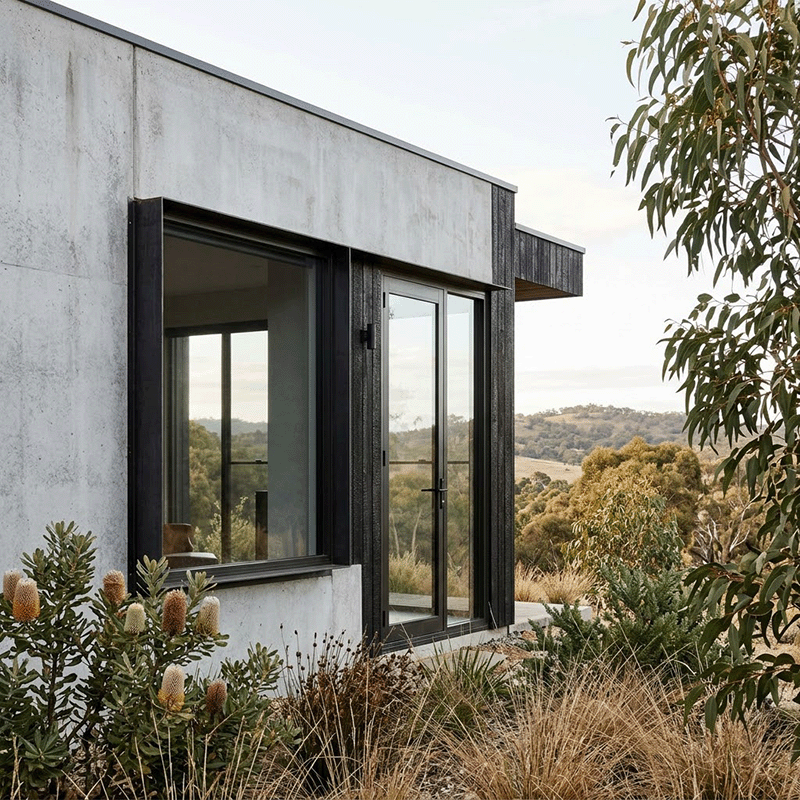
In Australia, extreme climatic conditions have become a non-negotiable variable in modern architectural design. For homeowners residing in areas designated with a Bushfire Attack Level of 29 (BAL-29), windows and doors are no longer merely aesthetic elements for light and ventilation—they serve as the primary 'armour' protecting the structural integrity of the home and the lives within.
What is BAL-29? Decoding the Technical Specifications
According to the Australian Standard AS 3959-2018, a BAL-29 rating indicates that a building must be engineered to withstand a radiant heat flux of up to 29 kW/m2. At this intensity, the primary threats to a structure include:
Radiant Heat: Intense thermal energy capable of shattering standard float glass and igniting internal furnishings through radiation.
Ember Attack: Burning charcoal fragments that can be driven by wind into tiny gaps, igniting the interior of the frame or the house.
Burning Debris: Wind-borne debris such as burning branches that can impact and breach the building envelope.
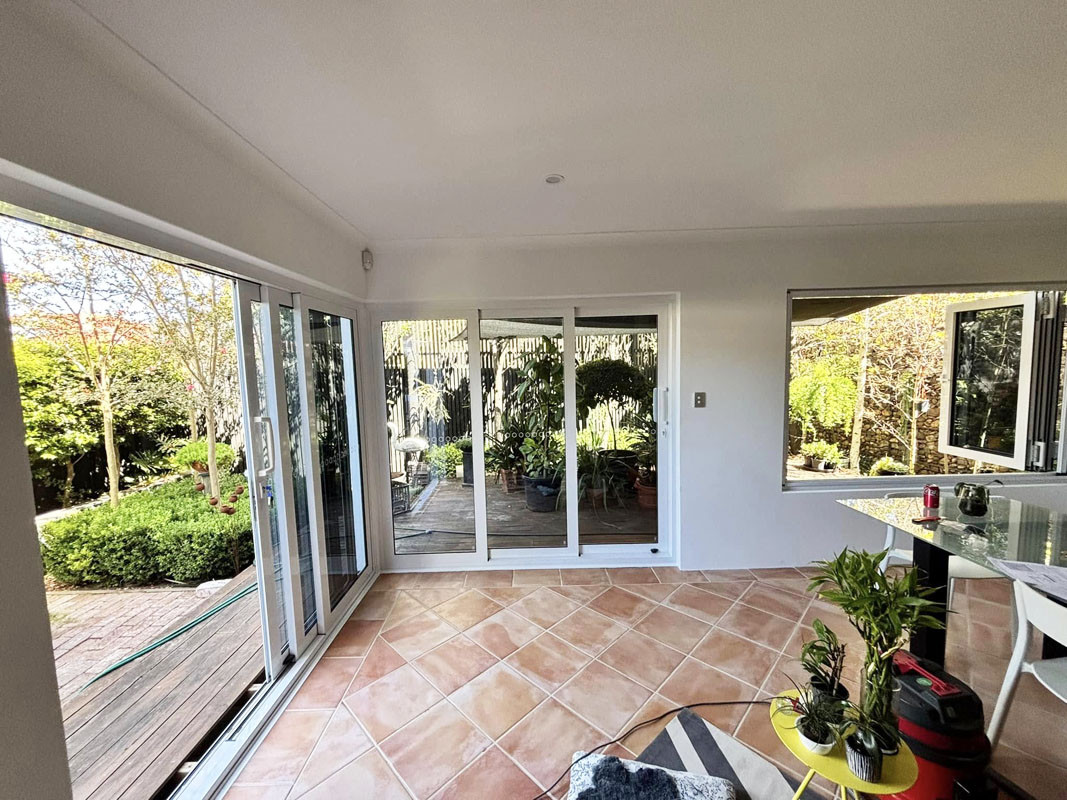
Why Perth Bushfire-Prone Areas Trust ROPO
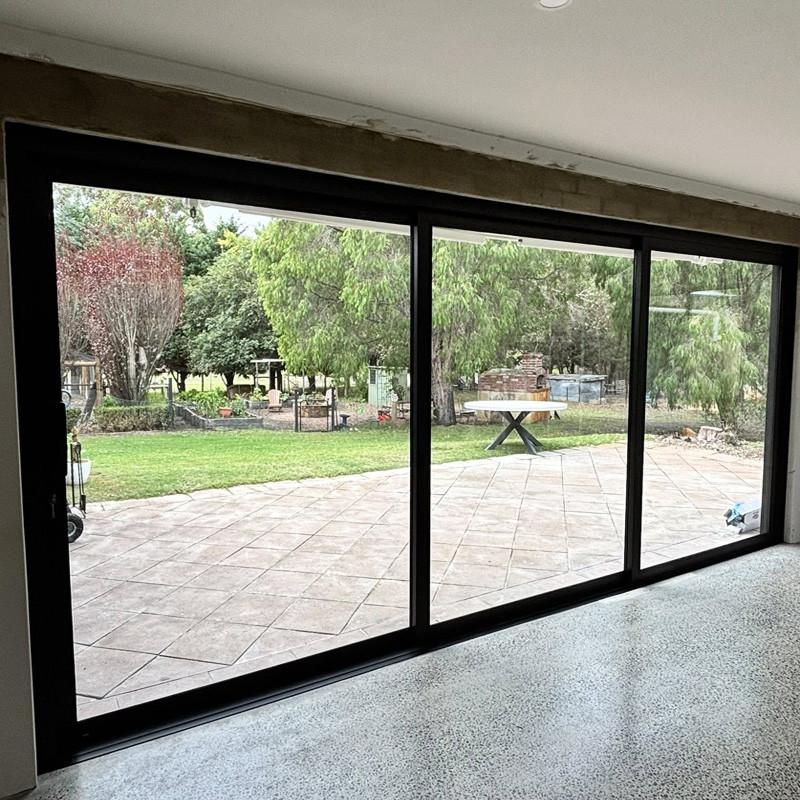
Engineered for the WA Environment
Perth faces a unique combination of bushfire risks, extreme UV radiation, and coastal corrosion. ROPO's BAL-29 windows and doors feature high-grade UV-resistant powder coatings and corrosion-proof hardware, ensuring your investment withstands the harsh WA elements while providing maximum fire protection.
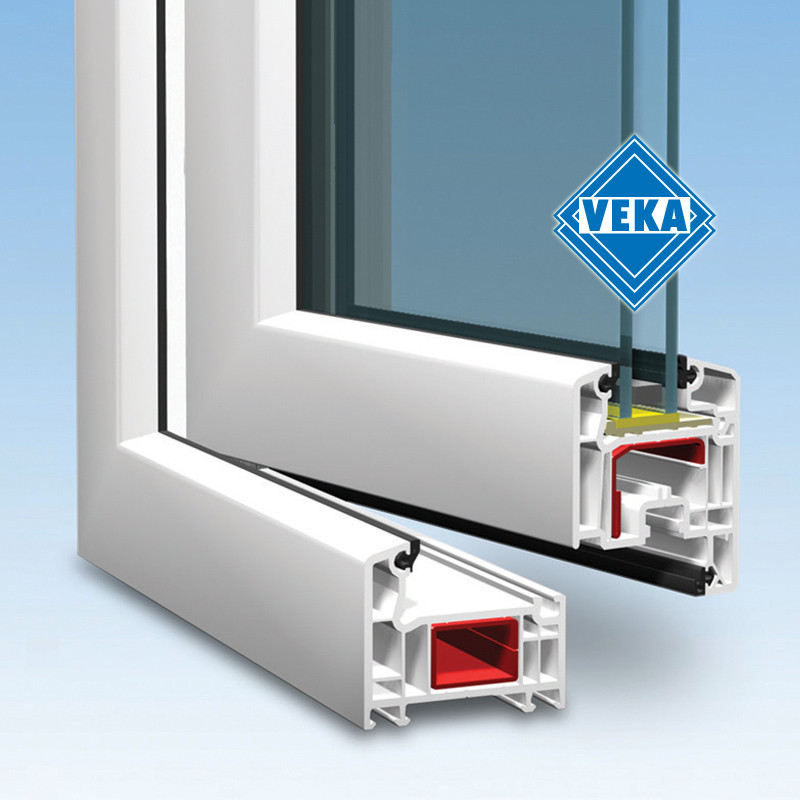
Seamless Compliance with WA Building Standards
We possess a deep understanding of the requirements set by the Building Commission of WA and local councils regarding Bushfire Management Plans (BMP). Every ROPO BAL-29 product is backed by comprehensive test reports and certification, ensuring a smooth approval process for your Practical Completion.

Localized Expertise You Can Rely On
• Site-Specific Knowledge
• End-to-End Delivery
• Aesthetic Performance: We prove that safety doesn't have to look industrial. Our systems offer the expansive glazing and slim profiles that modern Perth architecture demands, all while meeting rigorous BAL-29 standards.
Core Engineering Features of BAL-29 Fenestration
Toughened Glass Technology
Standard glass is prone to thermal stress breakage when exposed to uneven heating. BAL-29 compliant products must utilize a minimum of 5mm or 6mm toughened safety glass. This glass undergoes a specialized thermal tempering process, making it 4 to 5 times more resistant to heat-induced fractures than regular glass.
High-Temperature Resistant Frames
Aluminium is the gold standard for BAL-29 ratings due to its high melting point and non-combustible nature. Our frames are precision-extruded to ensure structural stability under extreme temperature gradients, preventing the warping that could cause glass panels to dislodge during a fire event.
Fire-Rated Seals & Ember Protection
Every operable sash must be fitted with seals made from non-combustible materials, such as specialized silicone or intumescent fire seals. Furthermore, all external vents must be screened with metal mesh (typically stainless steel or aluminium) with an aperture of less than 2mm to strictly block ember ingress.
Why Choose Our BAL-29 Solutions?
Feature | Standard Requirement | Our Advantage |
| Glass Thickness | Min. 5mm Toughened | 6mm+ High-Performance Low-E Toughened Glass |
| Frame Material | Non-combustible metal | Architectural Grade 6063-T5 Reinforced Aluminium |
| Sealing System | Fire-rated seals | Multi-tier airtight fire seals with superior acoustic insulation |
| Hardware | Metal hardware required | Full metal transmission systems designed for high-heat functionality |
Fireproof vs Fire-Rated vs Bushfire-Rated — What's the Difference?
Bushfire-rated (BAL-29)
Designed to resist ember attack and radiant heat from bushfires under AS 3959. These systems focus on preventing ignition from external bushfire threats in wildland-urban interface areas.
Fire-rated (FRL)
Engineered for internal building fire separation and compartmentation, typically certified to AS 1530 parts 4 or 8.2. FRL ratings measure how long a system prevents fire spread between building sections, essential for boundary walls, fire exits, and internal fire barriers.
"Fireproof"
A colloquial term we avoid. No building product is truly fireproof, we use "fire-resistant" or "bushfire-rated" to accurately describe tested performance levels.
Combined Requirements
Some projects may require both BAL-rated and FRL-rated systems, for example, a home in a bushfire zone that also needs fire separation at boundaries or between dwelling units. If your situation involves multiple fire protection requirements, we recommend consulting with your building surveyor to ensure all compliance obligations are met.
Design Aesthetics: Safety Without Compromise
In the past, fire-rated windows were often synonymous with bulky, unattractive designs. Advances in modern engineering now allow us to offer high-protection solutions that maintain a premium architectural look:
Expansive Spans: Achieve wide, panoramic views even within strict BAL-29 zones.
Concealed Drainage: Elegant systems that ensure water management without compromising airtight fire-rated integrity.
Custom Finishes: Available in a full suite of Interpon or Dulux architectural powder coatings, backed by a 20-year weatherability warranty.
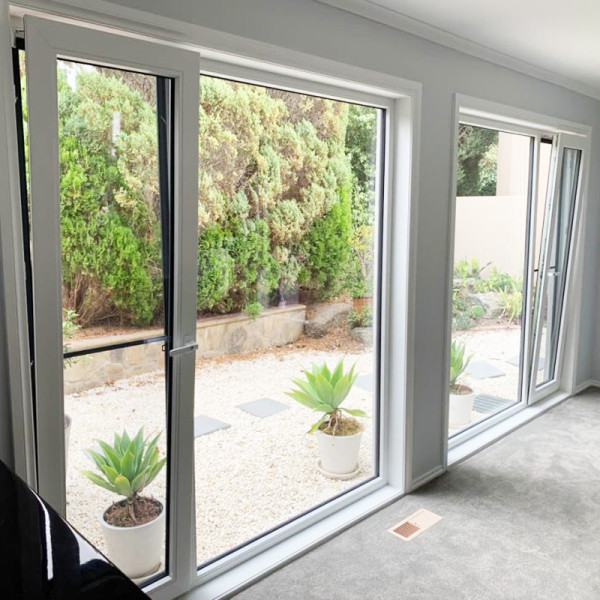
Our Tilt & Turns Feature Double or Triple Glazed Safety Glass and High Security Multipoint Locking System Providing the Ultimate Security.
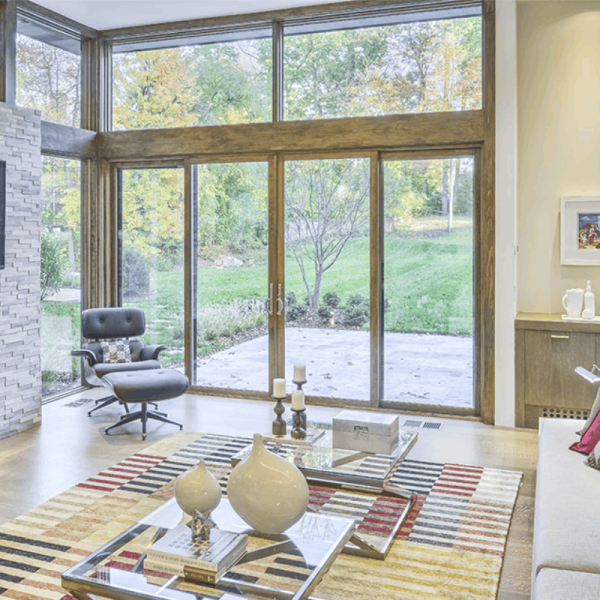
Aluminum Clad Timber Combination Door Can Design Many Modern European Style.
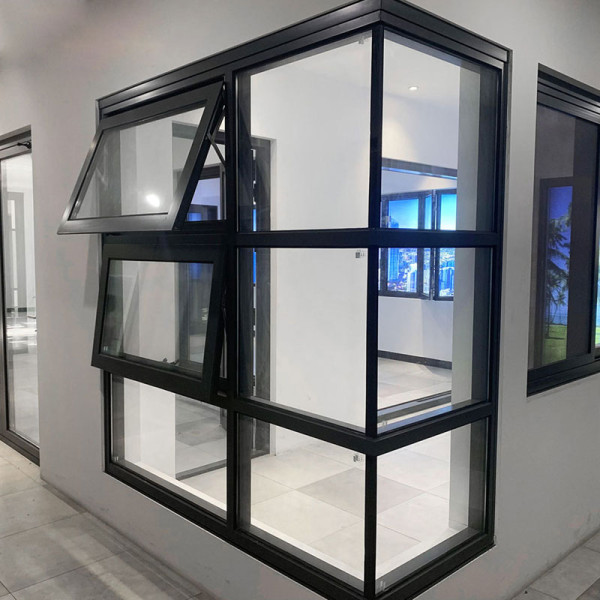
Soundproof windows aren't able to completely block all noises, but there are a variety of ways to help make your home quieter.
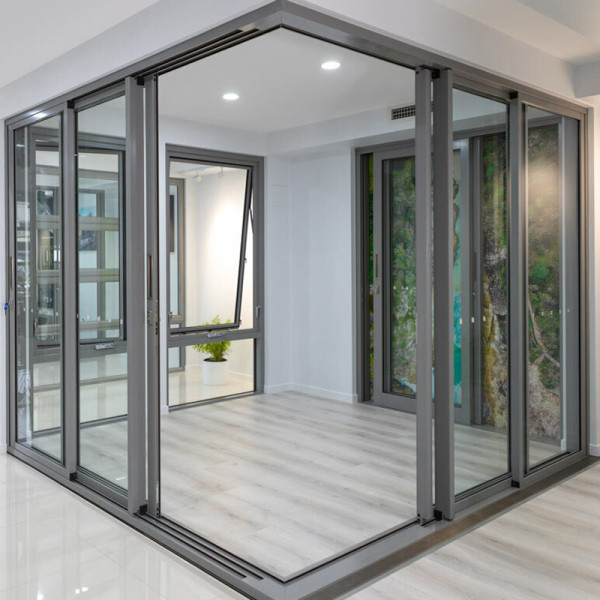
ROPO corner systems are available in both sliding and folding to meet your acoustic and thermal requirements.
Begin Your BAL-29 Compliance Project Today
Protect your home with expertly installed, fully compliant BAL-29 windows and doors, trusted by Perth homeowners in bushfire-prone areas for safety, performance, and lasting peace of mind.
Common Questions About BAL-29 Windows & Doors
What is BAL-29 and how is it assessed?
BAL-29 is a Bushfire Attack Level defined by AS 3959, representing moderate bushfire risk with ember attack and radiant heat exposure. BAL levels are determined through formal bushfire assessment by qualified assessors who evaluate vegetation type, slope, distance from fire sources, and Fire Danger Index for your location. Perth properties in designated bushfire-prone areas require BAL assessment before building permits are issued. Your assessment report specifies construction requirements for all building elements, including windows and doors.
What glazing is typically required for BAL-29 windows?
AS 3959 and industry guidance typically specify 5mm toughened glass for BAL-29 windows to resist radiant heat and ember impact. When double glazing is used, the toughening requirement usually applies to the outer pane, the one exposed to bushfire conditions. Some tested systems may vary from these typical specifications while still achieving BAL-29 certification, which is why following manufacturer specifications for certified products is essential. Always confirm glazing requirements with your building surveyor and selected window system documentation.
Do BAL-29 windows need ember screens?
Yes, BAL-29 windows require ember protection, typically achieved through screens with maximum 2mm mesh aperture. These bushfire screens, often stainless steel mesh, prevent ember entry while allowing ventilation. However, some windows tested to AS 1530.8.1 integrate ember protection within the certified assembly, potentially eliminating separate screen requirements when installed as tested. The screen requirement depends on whether you’re using a tested system approach or complying via AS 3959 deemed-to-satisfy pathways with separate screens.
Do I need shutters at BAL-29?
Not always. Shutters are sometimes required at BAL-29, depending on your window and door systems. Windows tested and certified to AS 1530.8.1 for BAL-29 may achieve compliance without separate shutters, as the tested assembly includes integrated ember protection and compliant glazing. If you’re using non-tested systems or complying via AS 3959 prescriptive requirements, you may need bushfire shutters or screens in addition to compliant frames and glazing. Your BAL assessment and building surveyor confirm which approach suits your project.
Can I have sliding doors in BAL-29 areas?
Yes, sliding doors can be installed in BAL-29 areas with appropriate compliant systems and screens. Sliding and stacker door assemblies require careful integration of ember screens at track areas and precise gap control to prevent ember infiltration. Many manufacturers offer tested BAL-29 sliding door systems that simplify compliance when installed to specifications. Avoid generic or non-compliant installations, work with suppliers who understand bushfire-rated sliding door assembly requirements and can provide proper documentation for building approval.
Is "fire-rated glazing (FRL)" the same as BAL-29?
No, these are fundamentally different systems. FRL (Fire Resistance Level) products are designed for internal building fire separation and compartmentation, tested to AS 1530 parts 4 or 8.2. They prevent fire spread between building sections during structural fires. BAL-29 systems resist external bushfire attack, ember penetration and radiant heat from wildland fires, under AS 3959. Some projects may require both types of protection (bushfire-rated for external threats and fire-rated for internal fire separation), but they serve distinct purposes and are not interchangeable.
How long do BAL-29 window installations take in Perth?
Most BAL-29 window and door installations in Perth are completed within several days to one week, depending on project size and complexity. Custom orders for tested systems may have longer lead times for manufacturing, but installation itself typically proceeds quickly with experienced teams. We work efficiently to minimise disruption while maintaining strict compliance with installation specifications, critical for BAL certification. Timeline factors include site access, number of openings, retrofit complexity, and any structural preparation required. We provide realistic schedules during quoting.
Do you provide BAL compliance documentation for building approval?
Yes, we provide complete compliance documentation including manufacturer testing certificates, installation records, product specifications, and compliance declarations required for WA Building and Energy approval processes. This documentation is essential for building permit sign-off and for insurance applications in bushfire-prone areas. We understand what building surveyors and certifiers need to verify BAL-29 compliance, and we ensure you receive organised, comprehensive records that support smooth approval and future reference.
What's the difference between BAL-29 and other BAL levels?
BAL-29 sits in the middle of the bushfire risk spectrum. BAL-Low and BAL-12.5 represent lower risks with less stringent requirements, while BAL-40 and BAL-FZ (Flame Zone) require more robust protection. At BAL-29, you face moderate ember attack and radiant heat, requiring specific construction measures including ember screens, toughened glass, and compliant frames. Higher BAL levels may require additional protection like external shutters or more robust materials. Your BAL assessment determines your specific level based on site conditions.
Can I retrofit BAL-29 windows to an existing home?
Yes, BAL-29 windows and doors can be retrofitted to existing homes, though it’s more complex than new construction. Retrofits require careful measurement, frame preparation, and ensuring compliance with gap tolerances and sealing requirements. Existing openings may need modification to accommodate compliant systems. We assess your specific situation, recommend appropriate solutions, and ensure installation meets all BAL-29 requirements. Retrofitting is common when properties are renovated, extended, or when BAL requirements change due to nearby development or vegetation changes.