How to Import Windows and Doors from China: MOQ, Lead Times, Shipping and Payment Explained
- Share
- publisher
- ROPO Windows
- Issue Time
- Sep 16,2026
Summary
Step-by-step guide to importing windows and doors from China. Understand MOQ, lead times (30–45 days), ocean freight, DDP customs, and cost savings.
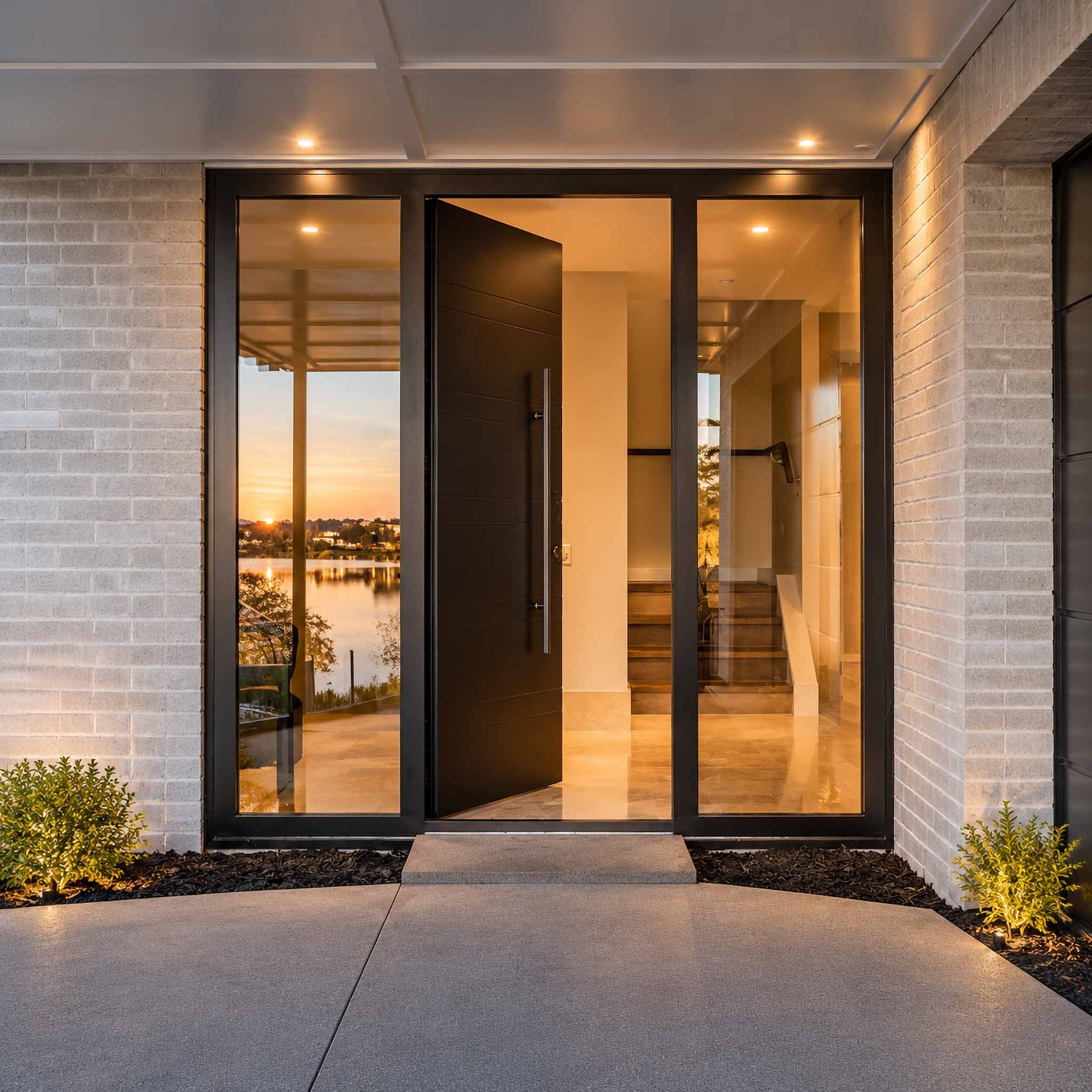
Directly sourcing architectural fenestration from Chinese manufacturing hubs has become the preferred procurement strategy for commercial developers, general contractors, and residential builders seeking high-performance building envelope systems. When overseas developers ask how to import windows from china or explore how to import aluminum windows from china, they recognize that choosing to buy direct from an established exporter delivers substantial cost efficiencies—often reducing expenditure by 30% to 50% compared to local distribution channels while unlocking full architectural CAD customization. However, successful cross-border procurement requires understanding export manufacturing protocols, minimum order quantities (MOQ), production timelines, international testing certifications, and sea freight logistics. This engineering guide provides an end-to-end roadmap for importing windows from china, buying windows from china, and planning ordering windows from china, establishing exact specification take-offs, managing ocean freight terms, and navigating international customs clearance with complete confidence. The standard timeline for importing custom architectural windows from China ranges between 45 and 80 calendar days. This comprises 5 to 10 days for shop drawing review, 25 to 35 days for precision CNC manufacturing and QC inspection, and 15 to 35 days for containerized ocean freight (e.g., 14–18 days to US West Coast/Australia, 28–35 days to US East Coast/Europe, or from China to UK). Working with an established export manufacturer ensures shop drawings and crating comply with container loading schedules without jobsite delays. The most critical determinant of a smooth procurement cycle is drafting an unambiguous window and door schedule. Global suppliers require complete engineering parameters rather than generic size lists to calculate exact material yields, thermal performance ratings, and structural load compliance. Window Schedule Take-off Requirements: Architectural schedules should document net frame dimensions, opening configurations (casement, awning, tilt-and-turn, sliding, or folding), handing directions viewed from the exterior, glass build-ups (e.g., 6mm Low-E + 12Ar + 6mm Toughened), and structural wind pressure ratings. Review our engineering guide on window and door opening measurement guide to coordinate rough openings with net frame tolerances. Framing Alloy & Hardware Specification: When importing aluminium windows from China, clearly designate architectural 6063-T6 thermally broken aluminium or multi-chamber uPVC profiles from an authority uPVC door and high quality upvc window from china factory. For thermal bridge analysis, consult our thermally broken aluminium engineering guide. Procuring fenestration directly from a custom vinyl window from china manufacturer yields 30% to 50% net cost savings on high-specification thermally broken aluminium and passive-house certified uPVC systems compared to domestic retail distributors. While industrial extrusion mills enforce large batch runs, specialized architectural exporters like ROPO offer flexible MOQs (starting from single whole-house packages or 10 sq.m), allowing builders to consolidate custom windows, sliding doors, and commercial entrance systems into a single secure sea container. Building authorities in North America, Australia, New Zealand, and Europe enforce stringent energy efficiency and structural standards. A professional windows and doors importer sourcing imported windows and doors must verify that factory test certificates originate from accredited third-party testing laboratories (such as NATA, Intertek, or Azuma Testing). When deciding whether to choose fob or cif for plywood imports and crated fenestration, selecting the appropriate Incoterm defines the exact division of logistics costs, ocean transport liability, and customs clearance obligations between the manufacturer and the project developer. Glass and precision-machined aluminium profiles require robust export packaging engineered for dynamic sea voyages. Sourcing from a professional upvc door from china manufacturer or working with a dedicated china pvc door service ensures implementation of strict multi-layer crating standards to eliminate transit vibration and moisture damage. Fully Enclosed Plywood Crating: Standard overseas shipments utilize custom-built, fully enclosed non-fumigation plywood crates (IPPC compliant). Individual window units are wrapped with multi-layer protective PE film, heavy-duty pearl cotton foam, plastic corner guards, and separated by desiccants to prevent glass moisture hazing during trans-equatorial maritime voyages. FCL vs. LCL Sea Freight Consolidation: Full Container Load (20GP or 40HQ FCL) is strongly recommended for windows from China. Sourcing from a verified professional pvc door from china supplier allows consolidating exterior glazed units with matching interior doors in a single container. A 40HQ container accommodates approximately 180 to 250 square meters of crated architectural windows. When buyers question is china cheaper for custom fenestration, partnering with a professional upvc door from china service proves that automated manufacturing delivers superior precision alongside substantial cost savings. When evaluating how to choose durable exterior doors from china suppliers that withstand harsh weather conditions?, international commercial contracts follow structured milestone payments: ROPO designs and manufactures high-performance architectural fenestration systems fully certified for North American, Australian, and European building codes, engineered for secure global container transport. Featuring 6063-T6 multi-chamber frames, PA66 thermal barriers, multi-point security hardware, and full NFRC / AS2047 export compliance. Engineered for large architectural spans with stainless steel tandem rollers, flush sill drainage integration, and up to 4500Pa wind resistance. Fusion-welded multi-chamber profiles from a high quality upvc window from china service, featuring galvanized steel reinforcement and sound reduction. When looking to import security door from china or order an upvc door from china, our doors feature multi-point locking and concealed pivots. ROPO provides comprehensive multi-stage quality control documentation from our professional upvc door from china supplier facility, including raw material mill test certificates, digital dimensional check videos, water tightness test recordings, and detailed crating photographic reports prior to balance payment and container dispatch. All CIF and DDP shipments include comprehensive marine all-risks insurance covering 110% of invoice value. In the rare event of transit damage, our technical department expedites priority express air replacement of glass or hardware components to keep your project on schedule. Yes. ROPO operates custom manufacturing lines where every window and door is fabricated to your exact millimeter CAD schedule. You can mix thermally broken aluminium casements, heavy sliding doors, uPVC systems from a high quality pvc window from china factory, and factory-pre-fitted timber reveals within a single consolidated container. Yes. ROPO systems hold verified third-party testing certifications, including Australian AS 2047 & AS 1288 (WERS/CodeMark), North American NFRC and AAMA/WDMA ratings, and European CE conformity (EN 14351-1). ROPO offers highly flexible MOQs starting from a single residential whole-house package (approx. 10–20 sq.m) up to large multi-container commercial multi-family developments, providing full factory-direct wholesale pricing across all project scales. Under CIF terms, your local customs broker files import entry documents (Bill of Lading, Commercial Invoice, Packing List, Certificate of Origin) and clears local duties. Under DDP terms, ROPO's international freight partner manages all clearance formalities and delivers directly to your jobsite. Send your architectural CAD plans, window schedule, or project specifications to our technical export team for a comprehensive landed-cost quotation and factory-direct pricing.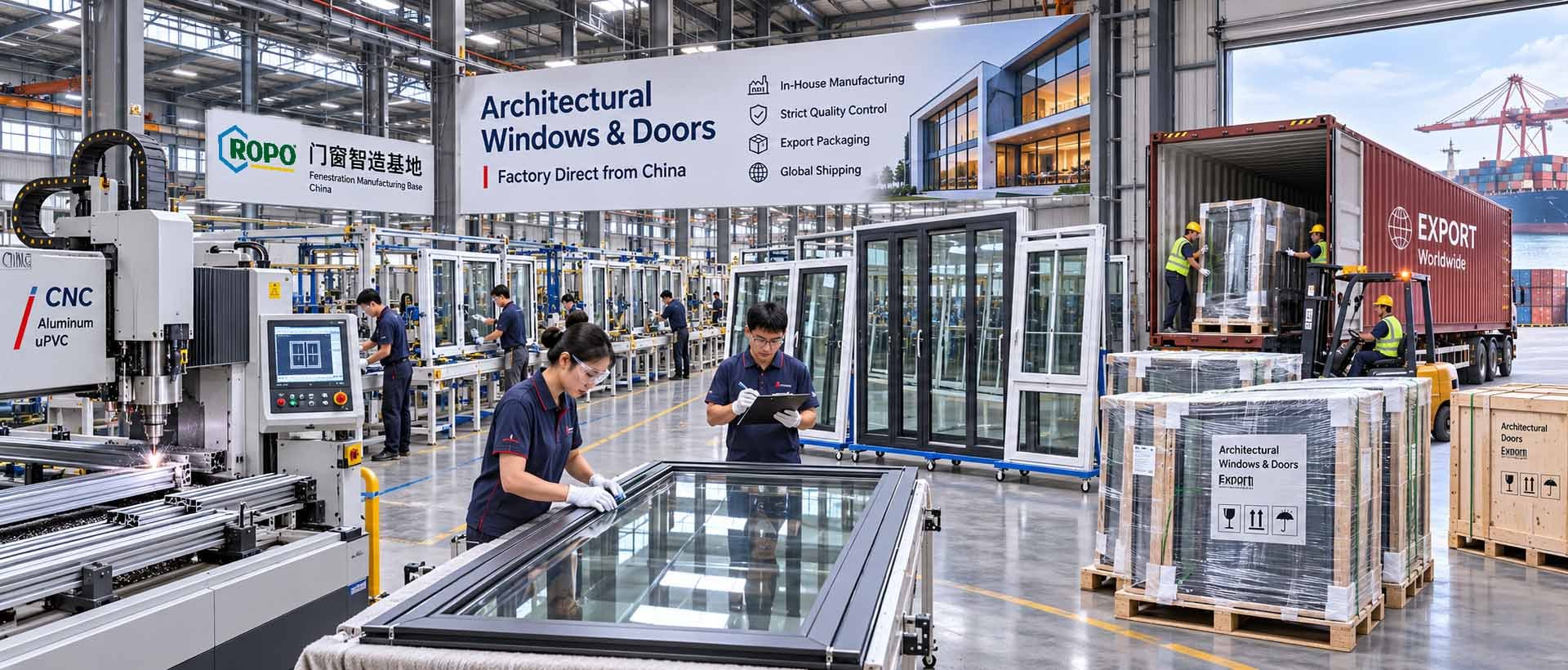
What is the Complete Timeline to Import Windows from China?
Phase 1: Establishing Technical Specifications & Request for Quotation (RFQ)
What are the Cost Savings and MOQs for Factory Direct Sourcing?
Phase 2: International Testing Accreditations & Code Compliance
Phase 3: International Trade Terms: FOB vs. CIF vs. DDP Explained
Incoterm 2020
Manufacturer Responsibility
Buyer Responsibility
Ocean Freight & Marine Insurance
Customs Clearance & Duties
Recommended Buyer Profile
FOB (Free on Board)
Factory fabrication, export crating, port inland transport, China export customs
Ocean booking, destination port fees, import duties, inland delivery
Arranged and paid by Buyer (or nominated freight forwarder)
Buyer handles destination customs entry and tariffs
Experienced importers, developers with dedicated freight logistics
CIF (Cost, Insurance & Freight)
Fabrication, export packing, China customs, ocean shipping to destination port
Destination port handling charges (DTHC), import duties, local transport
Arranged and prepaid by Seller (includes marine insurance policy)
Buyer appoints local customs broker for import clearance
General contractors and builders seeking managed ocean shipping
DDP (Delivered Duty Paid)
Complete door-to-door delivery, ocean freight, customs clearance, import tariffs paid
Unloading container at jobsite with forklift or crane
Fully managed and prepaid door-to-door by Seller
Fully handled and cleared by Seller's international logistics broker
First-time importers, residential custom builders, turnkey developers
Phase 4: Packaging Protection, Container Loading & Sea Freight
Destination Region
Major Destination Ports
Typical Ocean Transit Time
20GP / 40HQ Capacity (Crated)
Recommended Crating Protocol
North America (West Coast)
Los Angeles, Long Beach, Seattle, Vancouver
14 – 18 Calendar Days
20GP: ~90–120 m² / 40HQ: ~200–250 m²
Enclosed Plywood Crates + Corner protectors
North America (East Coast)
New York, Savannah, Houston, Montreal
28 – 35 Calendar Days
20GP: ~90–120 m² / 40HQ: ~200–250 m²
Heavy A-frame steel racks + Moisture desiccants
Australia & New Zealand
Sydney, Melbourne, Brisbane, Auckland
14 – 28 Calendar Days
20GP: ~80–110 m² / 40HQ: ~180–230 m²
Non-fumigation plywood + Timber reveal bracing
United Kingdom & Europe
Southampton, Felixstowe, Rotterdam, Hamburg
28 – 35 Calendar Days
20GP: ~90–120 m² / 40HQ: ~200–240 m²
Full perimeter EPE foam + Vacuum stretch wrap
Phase 5: Secure Payment Terms & Production Milestones
Export-Ready Architectural Window & Door Systems
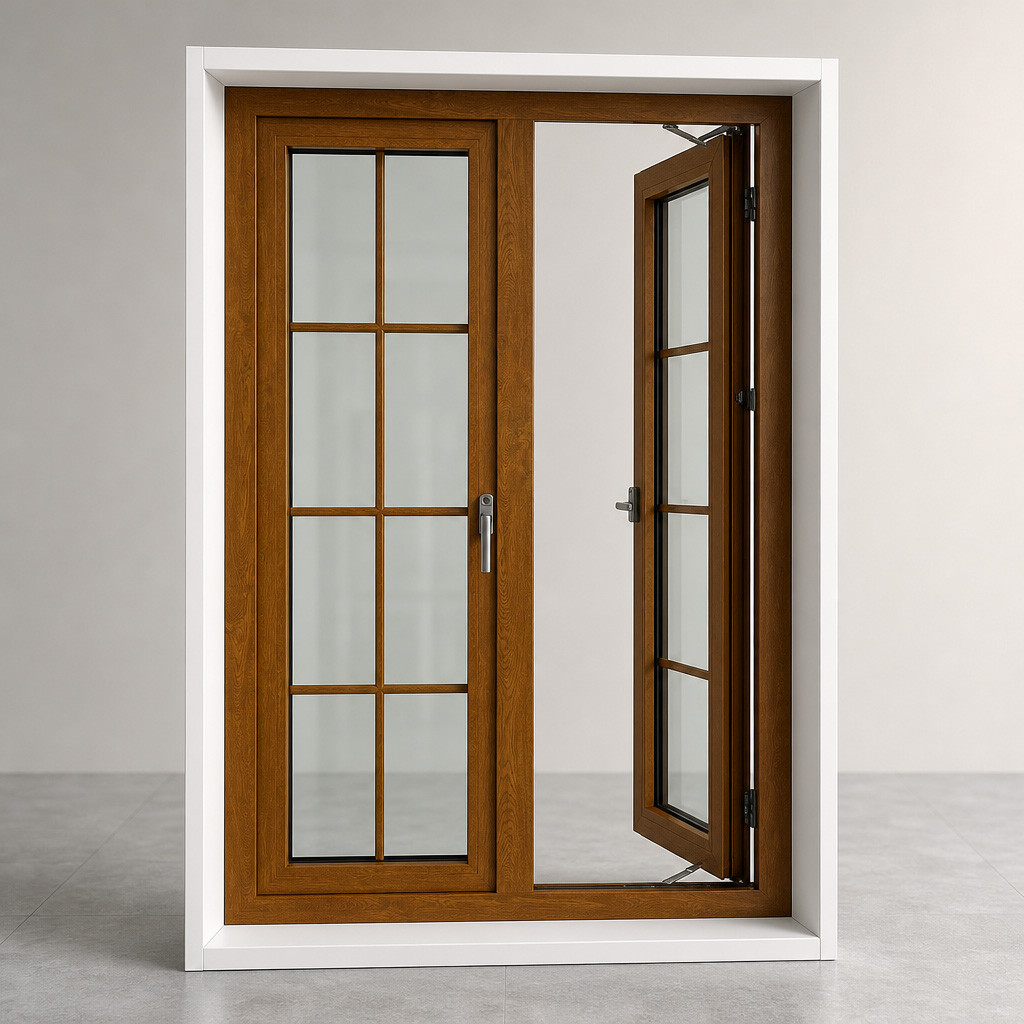
Architectural Thermal Break Casement Windows
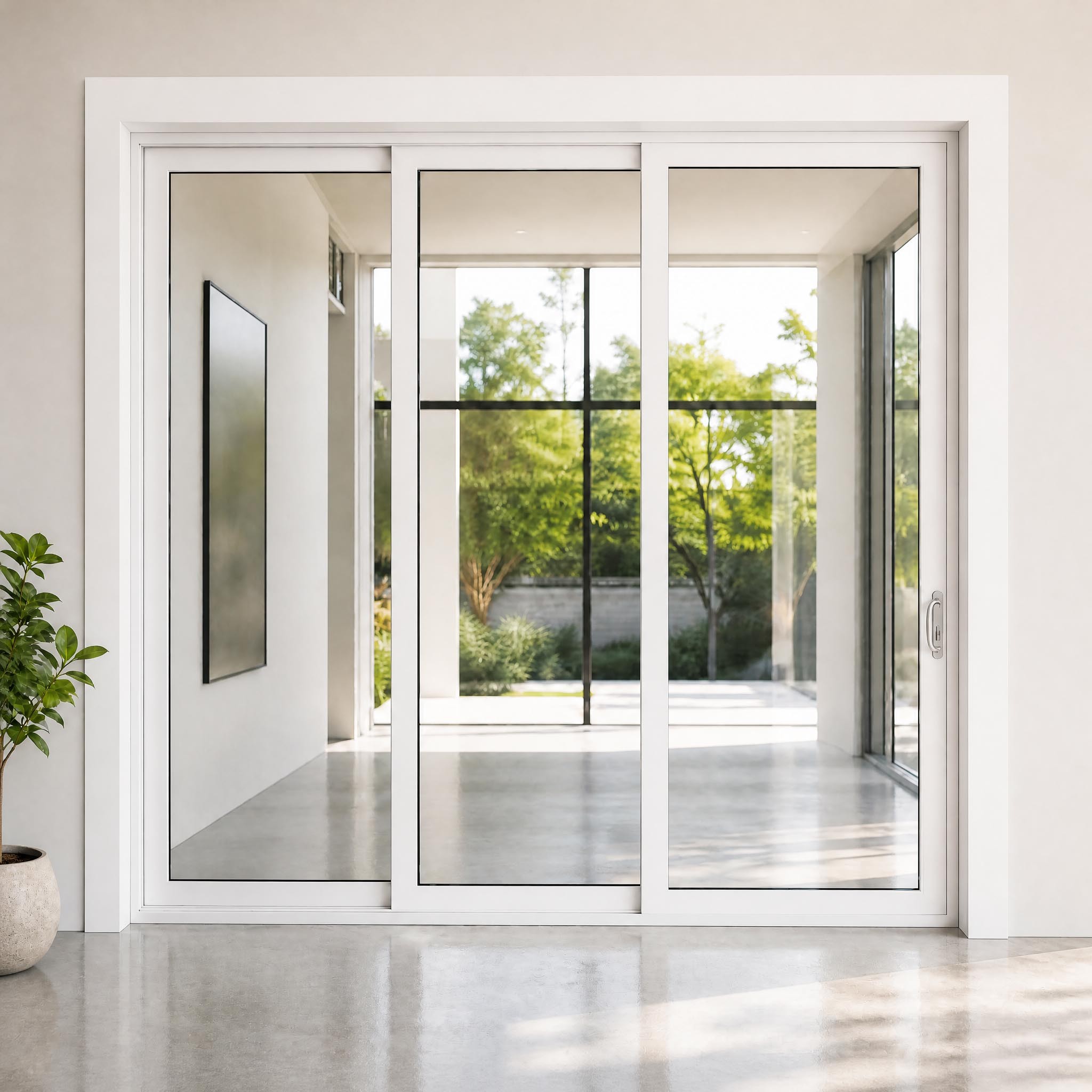
Commercial Heavy-Duty Sliding Patio Doors
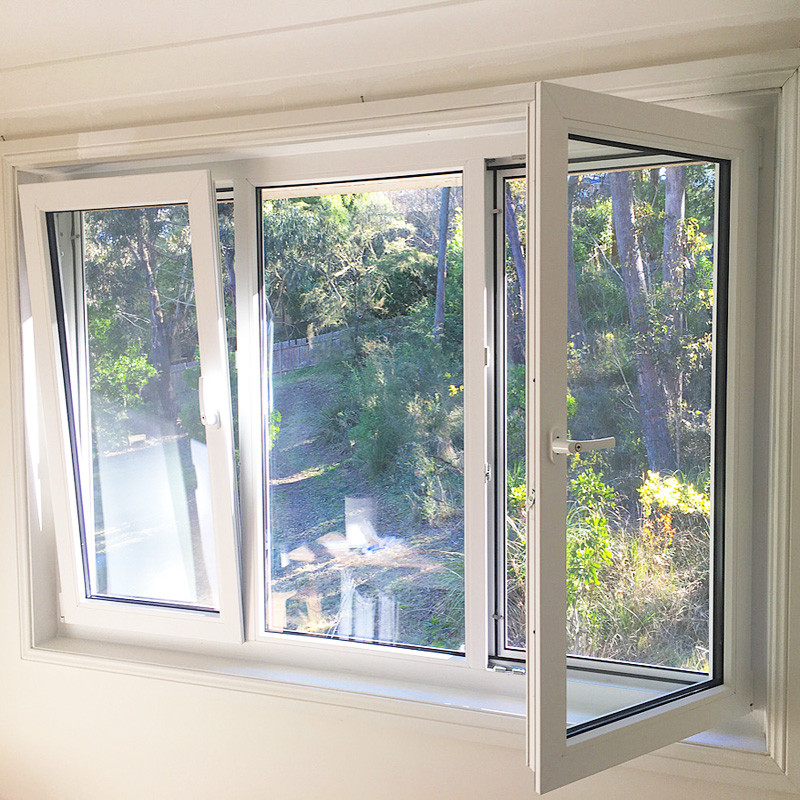
German-System Multi-Chamber uPVC Windows
High-Security Commercial Entrance Doors
Frequently Asked Questions: Importing Windows & Doors from China
1. How do I verify product quality when planning to import door and window systems from China?
2. What happens if glass or frames are damaged during ocean transit?
3. Can I order custom sizes, colors, and timber reveals in a single container?
4. Do Chinese window manufacturers support local building codes in the US, Australia, and UK?
5. What is the typical MOQ for custom architectural projects?
6. How are import duties and local tariffs handled?
Ready to Import High-Performance Windows for Your Project?