Thermal Break Aluminum Double Glazed Windows Explained: A Builder's Guide to Energy-Efficient Commercial Projects
- Share
- publisher
- Benson
- Issue Time
- Jun 12,2026
Summary
Discover how thermal break aluminum double glazed windows improve energy efficiency, reduce condensation, and meet modern building codes. Learn why builders choose thermal break window systems for commercial, residential, and large-scale construction projects. Get expert insights and custom solutions from ROPO Windows.
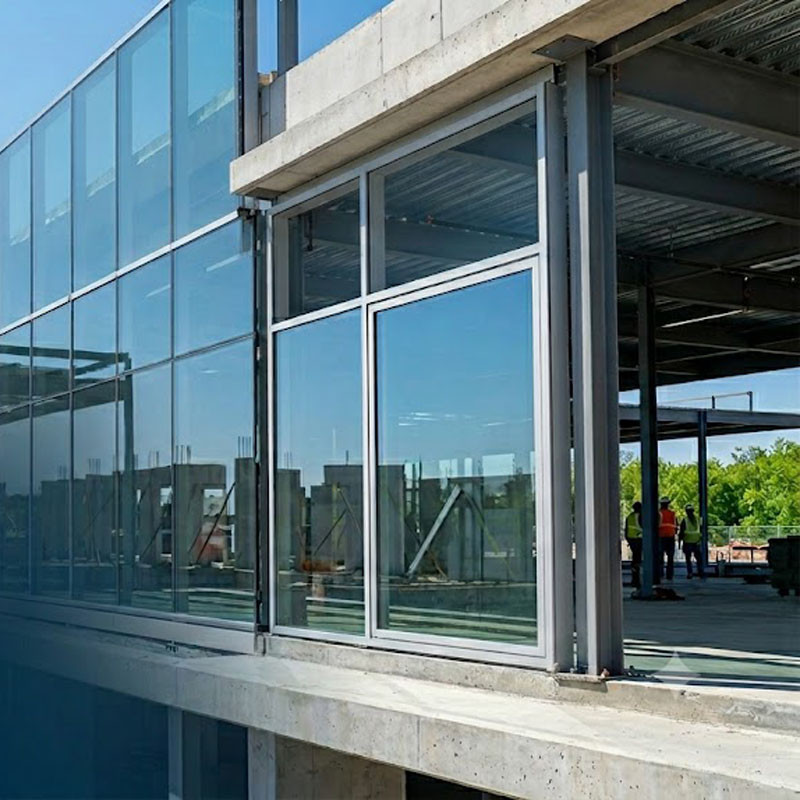
As energy regulations become stricter and building owners demand higher performance, thermal break aluminum double glazed windows have become a preferred solution for modern construction projects.
For builders, choosing the right window system is no longer just about appearance or cost. Energy efficiency, compliance with building codes, occupant comfort, and long-term operating costs all play a critical role in project success.
Thermal break aluminum double glazed windows combine the strength of aluminum with advanced insulation technology, helping commercial and residential buildings achieve better thermal performance while maintaining modern architectural aesthetics.
In this guide, we'll explain how thermal break technology works, why double glazing matters, and how builders can choose the right window supplier for their projects.
What Are Thermal Break Aluminum Double Glazed Windows?
A thermal break aluminum double glazed window combines two important technologies:
Thermal Break Aluminum Frames
Traditional aluminum frames are strong and durable but highly conductive, allowing heat and cold to transfer easily between indoor and outdoor environments.
A thermal break system inserts a non-conductive polyamide barrier between the interior and exterior aluminum profiles, significantly reducing thermal transfer.
Double Glazing
Double glazed windows feature two panes of glass separated by an insulating air or argon-filled space.
This configuration improves:
• Thermal insulation
• Energy efficiency
• Noise reduction
• Condensation resistance
When combined, thermal break frames and double glazing create a highly efficient window system suitable for modern commercial and residential buildings.
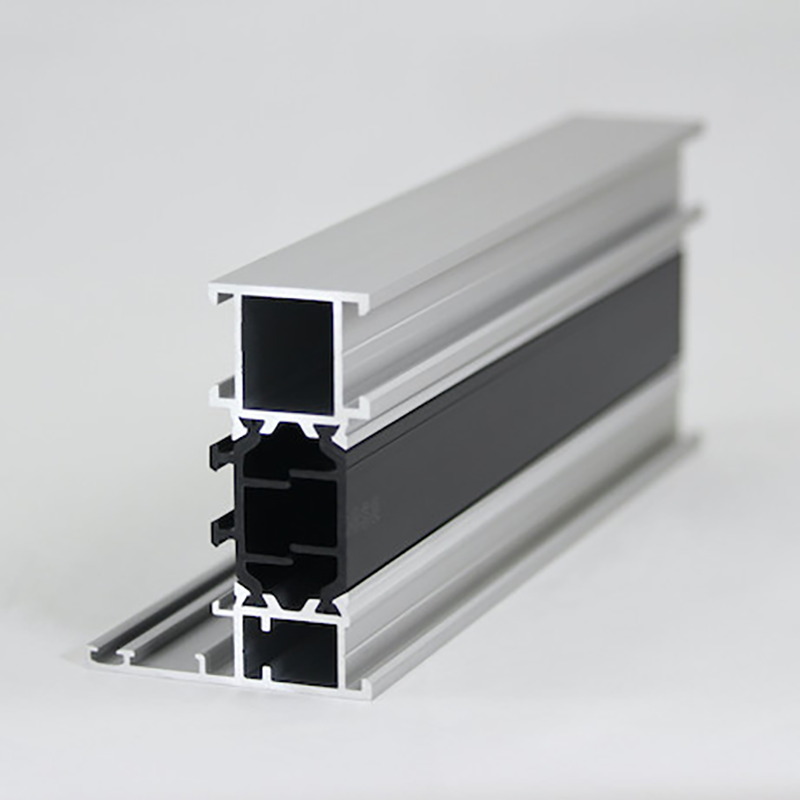
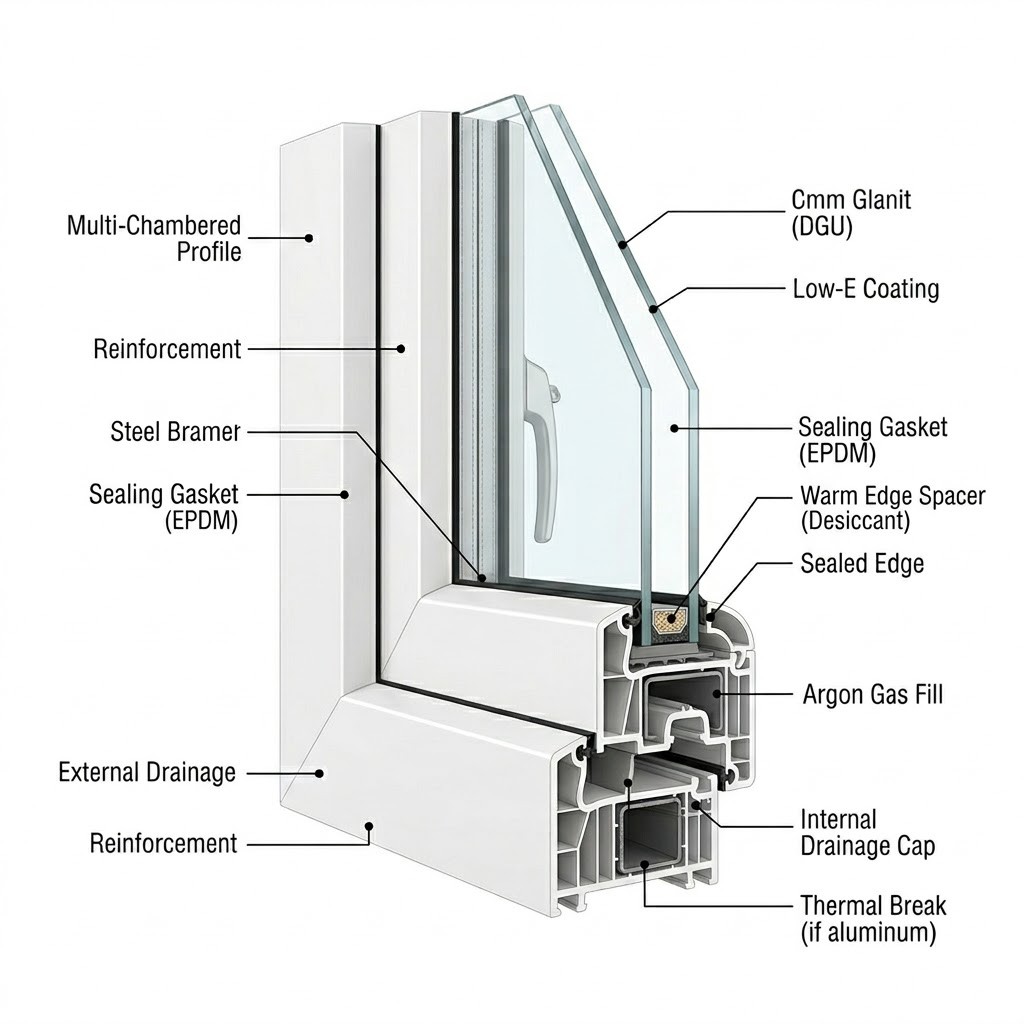
How Does Thermal Break Technology Work?
Aluminum naturally conducts heat approximately 1,000 times faster than materials such as uPVC.
Without thermal breaks:
• Heat enters buildings during summer.
• Heat escapes during winter.
• HVAC systems work harder.
• Energy costs increase.
Thermal break technology interrupts this heat transfer path.
Standard Aluminum Window
Heat Flow:
Outdoor Temperature → Aluminum Frame → Indoor Space
Thermal Break Aluminum Window
Heat Flow:
Outdoor Temperature → Thermal Barrier → Reduced Heat Transfer → Indoor Space
The result is:
• Better indoor comfort
• Lower heating and cooling costs
• Improved energy ratings
• Reduced thermal bridging
Key Benefits for Builders and Developers
1, Improved Energy Efficiency
Energy performance is one of the biggest reasons builders specify thermal break windows.
Benefits include:
• Reduced HVAC loads
• Lower building operating costs
• Improved building energy ratings
• Better sustainability performance
For large commercial projects, even small improvements in window performance can generate significant long-term savings.
2, Compliance with Modern Building Codes
Many countries now require higher levels of thermal performance in building envelopes.
Thermal break double glazed windows help projects comply with:
• AS2047 (Australia)
• NCC Energy Efficiency Requirements
• NFRC Standards (USA)
• ENERGY STAR Programs
Builders who select certified systems can reduce compliance risks and simplify project approvals.
3, Better Acoustic Performance
Noise reduction is increasingly important in:
• Apartments
• Hotels
• Hospitals
• Schools
• Urban developments
The insulated air space within double glazing helps reduce external noise transmission, creating more comfortable indoor environments.
4, Reduced Condensation
Condensation can cause:
• Mold growth
• Interior damage
• Occupant complaints
Thermal break systems keep interior frame temperatures higher, significantly reducing condensation risk.
5, Increased Property Value
Energy-efficient buildings are becoming more attractive to buyers, tenants, and investors.
Benefits include:
• Higher rental appeal
• Better occupant satisfaction
• Improved sustainability credentials
• Enhanced long-term asset value
Thermal Break vs Standard Aluminum Windows
| Feature | Standard Aluminum | Thermal Break Aluminum |
| Energy Efficiency | Low | High |
| Condensation Resistance | Poor | Excellent |
| Acoustic Performance | Moderate | High |
Building Code Compliance | Limited | Excellent |
Occupant Comfort | Average | Superior |
Long-Term ROI | Lower | Higher |
For most commercial projects, thermal break systems provide significantly better lifecycle performance.
Thermal Break Double Glazed Windows vs Triple Glazed Windows
Builders often ask whether triple glazing is necessary.
Double Glazed Windows
Best suited for:
• Australia
• North America
• Residential projects
• Commercial buildings
• Multi-family developments
Advantages:
• Excellent performance
• Competitive pricing
• Lighter weight
• Easier installation
Triple Glazed Windows
Best suited for:
• Extremely cold climates
• Passive House projects
• Northern Europe
• High-performance specialty buildings
Advantages:
• Maximum insulation
• Superior thermal performance
Disadvantages:
• Higher cost
• Increased weight
• More complex installation
Builder Recommendation
For most commercial and residential projects, thermal break double glazed windows offer the best balance between performance and cost.
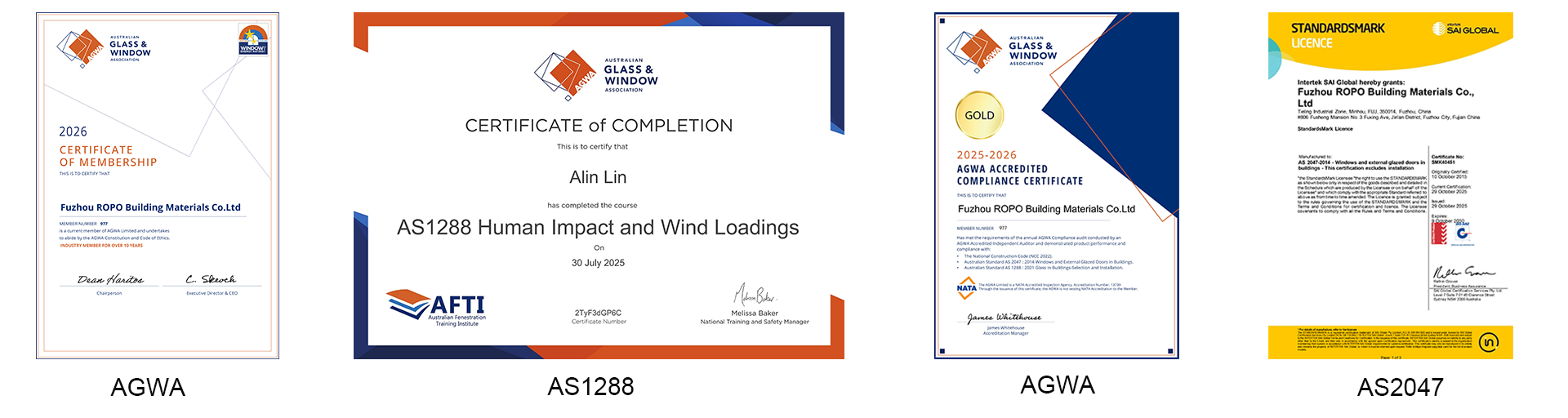
What Certifications Should Builders Look For?
Choosing certified window systems helps ensure compliance and project reliability.
Australia
AS2047
Covers:
• Structural performance
• Air infiltration
• Water penetration
• Wind resistance
AS1288
Regulates glass selection and installation requirements.
WERS
Provides energy rating information for windows.
United States
NFRC Certification
Measures:
• U-Factor
• Solar Heat Gain Coefficient (SHGC)
• Visible Transmittance
ENERGY STAR
Identifies high-performance energy-efficient products.
How Much Do Thermal Break Double Glazed Windows Cost?
Pricing depends on multiple factors.
Key Cost Drivers
Window Size
Larger windows require more material and engineering.
Glass Specifications
Options include:
• Low-E glass
• Laminated glass
• Tempered glass
• Argon-filled units
Hardware Selection
Premium hardware improves performance and durability.
Surface Finish
Popular finishes include:
• Powder coating
• Anodizing
• Wood grain finishes
Custom sizes and project-specific designs affect pricing.
How to Choose the Right Thermal Break Window Manufacturer
Not all suppliers offer the same level of quality and project support.
Builders should evaluate:
Manufacturing Capacity
Can the factory support large-scale projects?
Certifications
Does the manufacturer provide certified products?
Custom Design Capability
Can they accommodate unique architectural requirements?
Export Experience
Do they understand international building standards and logistics?
Project Support
Can they provide:
• Shop drawings
• Technical consultation
• Installation guidance
• After-sales service
Why Builders Choose ROPO Windows
As a professional aluminum window manufacturer, ROPO Windows provides customized thermal break aluminum double glazed window solutions for builders, architects, developers, wholesalers, and contractors worldwide.
Our Advantages
Factory Direct Pricing
Reduce procurement costs without sacrificing quality.
Customized Solutions
Tailored systems for:
• Commercial buildings
• Apartment projects
• Hotels
• Villas
• Educational facilities
Certified Products
Designed to meet international performance standards and project requirements.
Large Project Experience
Supporting contractors and developers across multiple global markets.
Professional Engineering Support
From quotation to production and delivery, our experienced team helps simplify the procurement process.
Request a Quote for Your Next Project
Planning a commercial, residential, hotel, apartment, or mixed-use development?
ROPO Windows specializes in custom thermal break aluminum double glazed windows designed to meet the performance, aesthetic, and compliance requirements of modern construction projects.
Whether you need shop drawings, technical specifications, or a competitive quotation, our team is ready to help.
Contact ROPO Windows today to discuss your project and discover how thermal break window systems can improve energy efficiency, occupant comfort, and long-term building value.
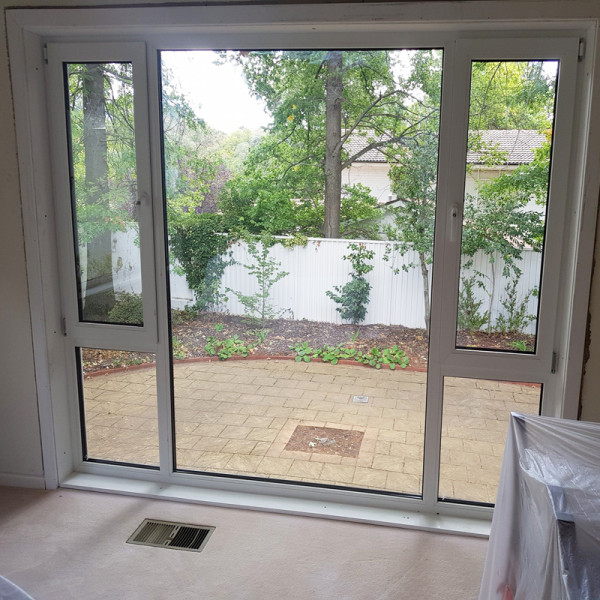
A combination window is a unique window design that combines elements of casement, fixed, and sliding windows.
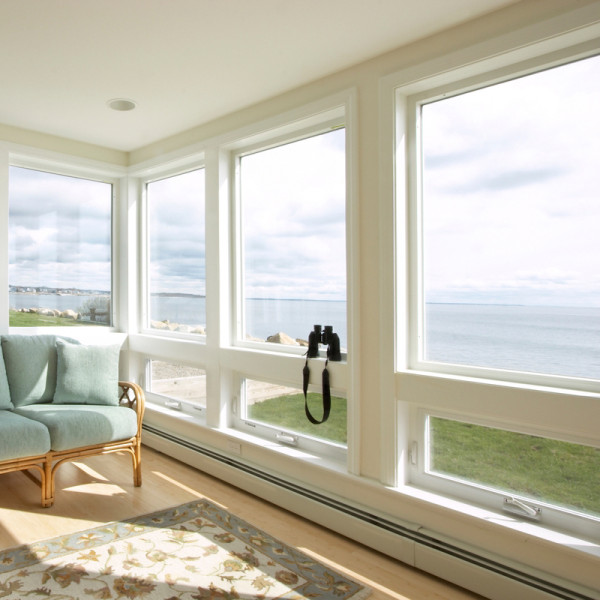
They're hinged at the top, cranking open outward like a canopy to prevent rain from getting in.
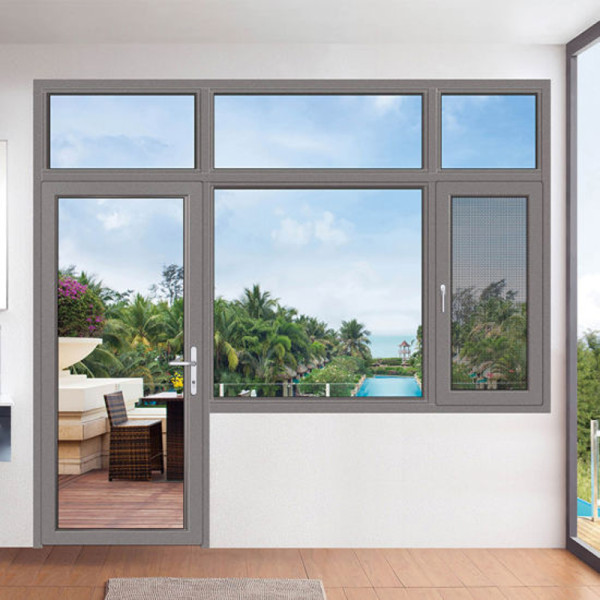
The aluminum combination storm windows are a popular choice for customers who want some ventilation in their large living room, dining room.

Aluminum Hand Crank windows allows easy operation without interfering with insect/fly or security screens.
Frequently Asked Questions
Are thermal break aluminum windows worth the extra cost?
Yes. They significantly improve energy efficiency, reduce condensation, and lower long-term operating costs.
Do thermal break windows reduce condensation?
Yes. The insulated barrier helps maintain warmer interior frame temperatures and minimizes moisture buildup.
Are thermal break windows required by building codes?
Many energy-efficient building standards increasingly favor or require higher-performing window systems.
What is the lifespan of thermal break aluminum windows?
High-quality thermal break aluminum windows can last 30 years or more with proper maintenance.
Are thermal break windows suitable for commercial buildings?
Absolutely. They are widely used in offices, hotels, apartment complexes, schools, and healthcare facilities.
What glass works best with thermal break frames?
Low-E double glazed insulated glass units are among the most popular choices for balancing energy efficiency and cost.
Can thermal break windows improve building energy ratings?
Yes. They can contribute significantly to improved energy performance and sustainability certifications.