China UPVC Windows Factory: How to Choose and Verify a uPVC Window Manufacturer
- Share
- publisher
- ROPO Windows
- Issue Time
- Sep 21,2026
Summary
Buyers looking for a China uPVC windows factory are rarely short of suppliers; they are short of ways to tell them apart. This guide explains what a uPVC window factory actually does on the production floor — profile systems, steel reinforcement, welding, glazing and hardware — how to verify manufacturing capability before you commit, what the quality control and certification documents should show, and what to send a factory so the quotation you receive can be compared like for like.
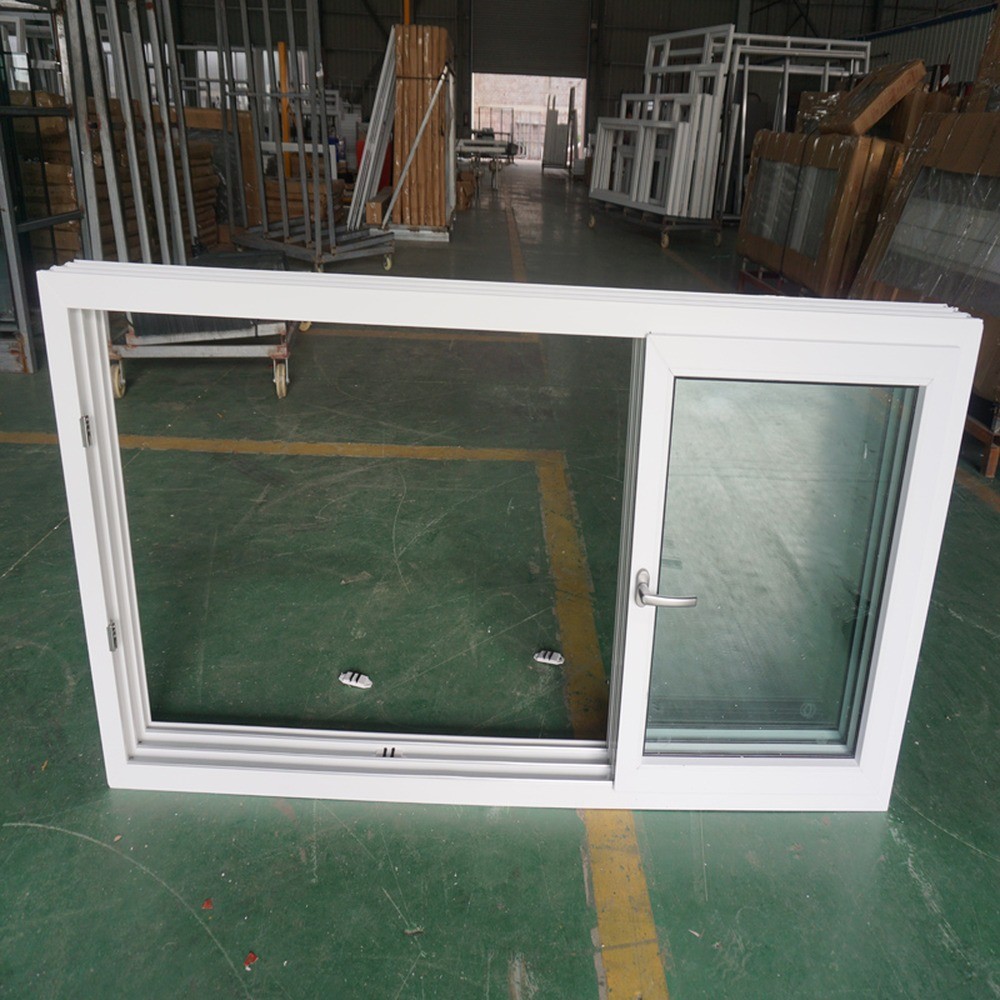
What a China uPVC Windows Factory Actually Does
Search for a China uPVC windows factory and you will find hundreds of results, most of them using almost identical language: more than a decade of experience, advanced equipment, strict quality control, competitive prices. The phrases are not false. They are simply not useful, because they describe every supplier equally and tell a buyer nothing about which one can actually deliver a container of windows that fits, seals and still works five years later. The useful question is narrower: what does this factory physically do, and how much of the finished window is made inside its own plant rather than bought in and passed on?
A uPVC window is a factory-made product. The frame and sash are cut, machined, reinforced, welded and glazed as a single engineered unit, and the performance of that unit depends on operations that can only be done properly with the right equipment and the right process discipline. Profiles have to be reinforced with steel; corners have to be fusion welded and cleaned; drainage and ventilation paths have to be machined in the right places; glazing has to sit on the correct gaskets; and hardware has to be positioned and adjusted so that the seals compress when the window is closed. None of that travels well as a specification on paper. It is either done in a real factory or it is not. A buyer comparing suppliers in this market is usually comparing China UPVC windows from half a dozen plants that all describe themselves in the same language, which is why the checks below concentrate on process rather than on claims.
This guide is written for importers, wholesalers, builders and project buyers who need to make that judgement at a distance. It covers what happens on the production floor, how to tell a factory from a trading company, how to verify capability before committing to an order, what the quality-control and certification documents should contain, and what to send to a supplier so that the quotes you receive can be compared like for like. Buyers who want to see the finished range — casement, tilt and turn, sliding, awning, fixed and combination windows — can start with the custom uPVC windows built to project dimensions landing page, which is organised by window type, and with the wider custom windows and doors built to a specification range for projects that mix materials. The same systems are grouped by type on the China UPVC windows product range page, which is a quicker starting point once the opening type is known.
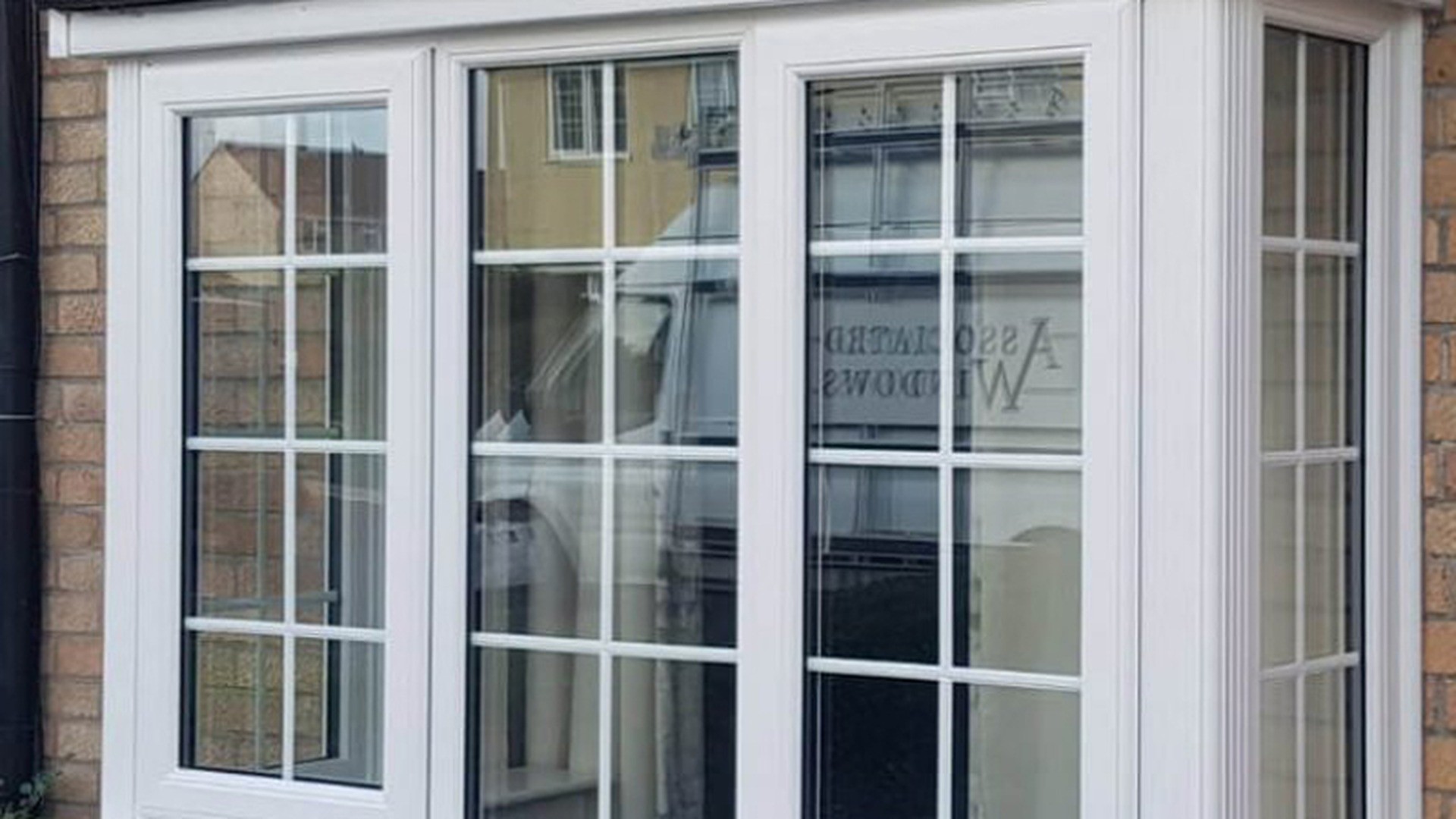
Extrusion, Fabrication and Trading: Three Very Different Suppliers
Before comparing factories, it helps to know that the market is made up of three kinds of supplier, and they are not interchangeable.
Profile extruders make the uPVC profile itself — the multi-chamber section that becomes a window frame. Extrusion is a heavy, continuous process with its own equipment, and a profile house sells to window makers rather than to end buyers. Window fabricators take those profiles and turn them into finished windows: cutting, reinforcing, welding, glazing, fitting hardware and testing. This is what most buyers mean by a uPVC window factory, and it is where the quality of the window is decided. Trading companies and assemblers sit at the end of the chain: they may buy complete windows from fabricators, or assemble a few components in a small workshop, and they add margin and communication rather than manufacturing capability.
The distinction matters because a trading company cannot control production, cannot change a specification to suit a project, and cannot give you a straight answer about what happens if a panel arrives out of square. It is not that every trading company is dishonest; it is that the buyer is paying factory prices without factory control. The practical test is simple: ask which profile system the factory uses, who extrudes it, and which machining and welding operations are done in-house. A fabrication plant answers immediately and in detail, because those are the questions its own engineers argue about. The material itself is worth understanding too — the differences between profiles, chambers, finishes and colours are set out under uPVC material and colour options — and the built-in range of shapes that a factory should be able to fabricate is visible in the custom uPVC casement window systems used most often in residential work. Buyers new to the category can also see how a product group is organised, and what the China UPVC Windows manufacturer and supplier listings contain, before contacting anyone.
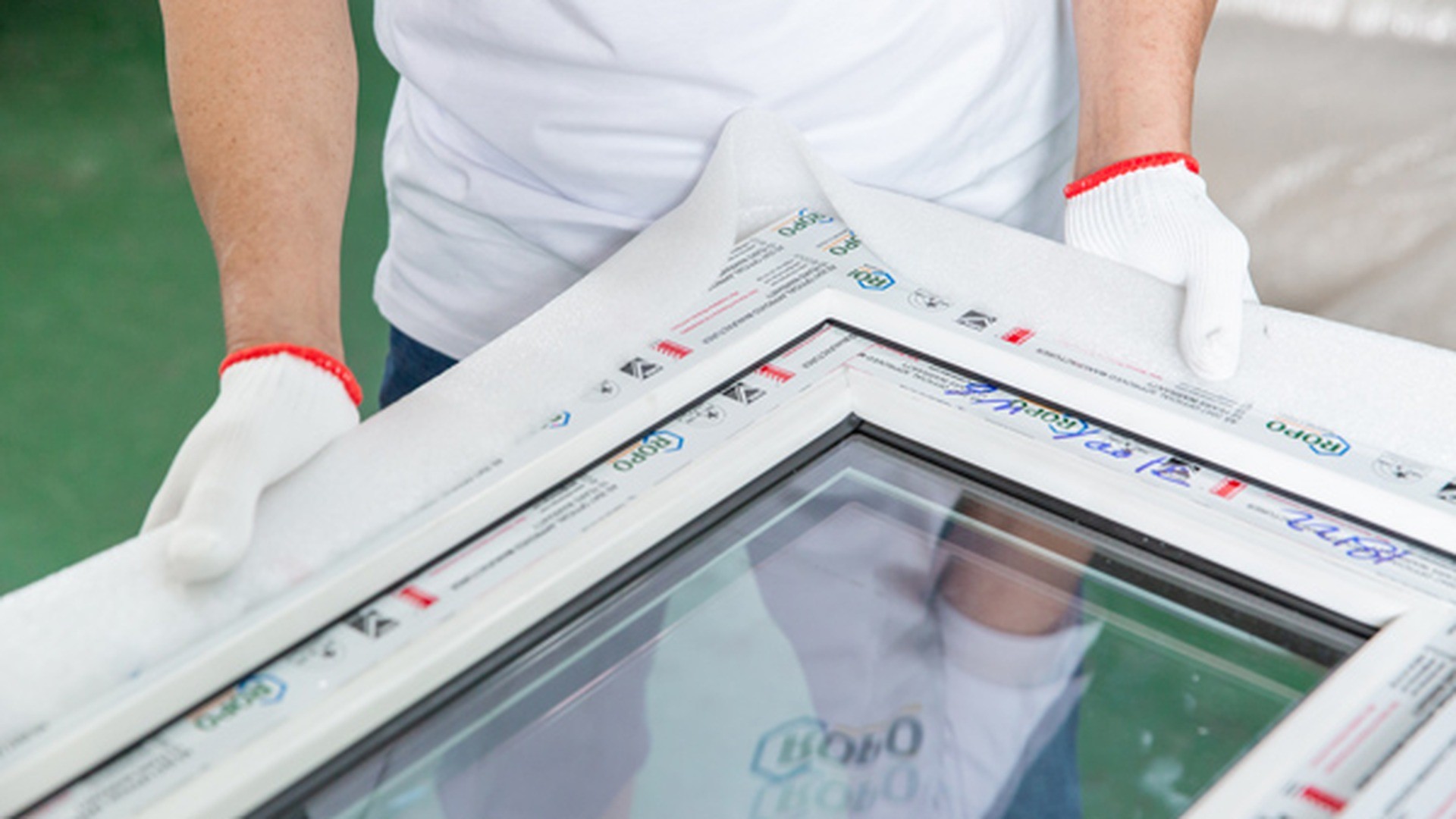
Inside the uPVC Window Production Process
A uPVC window passes through a fixed sequence of operations, and every one of them is a place where a factory can either do the job properly or quietly skip a step. Understanding the sequence is what makes a factory visit — or a video call from the other side of the world — productive.
Profiles, reinforcement and cutting
Profiles arrive in long lengths and are cut to the dimensions of the specific window. At the same time, galvanised steel reinforcement is cut and inserted into the profile chambers. Reinforcement is not decoration: it is what carries structural load and keeps a long frame or a large sash straight, and its thickness and the way it is fixed matter as much as the profile itself. Cutting accuracy sets everything downstream, because a millimetre of error at this stage becomes a badly fitting sash later.
Machining, drainage and welding
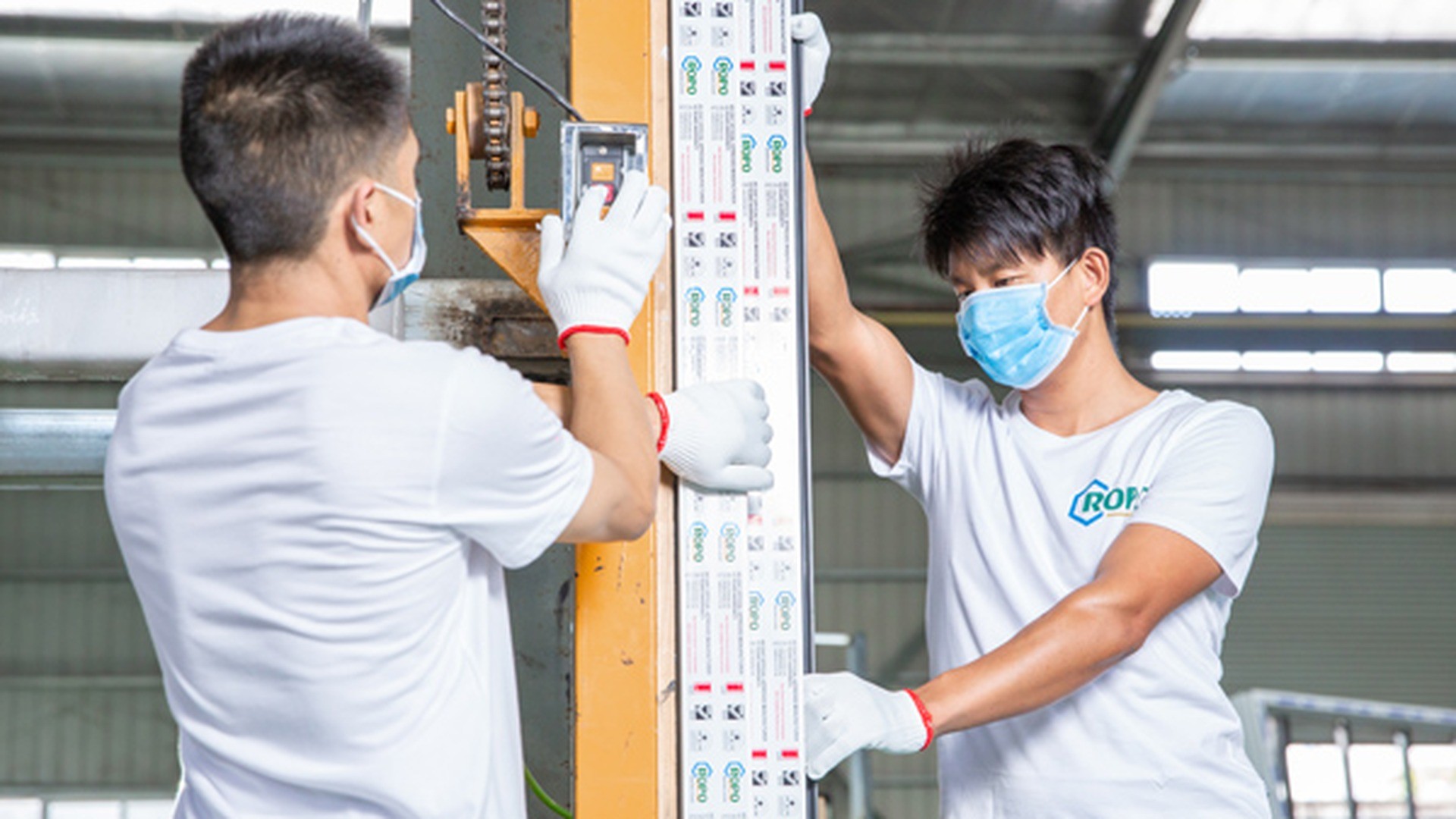
Frames and sashes are then machined: drainage slots and ventilation paths are routed so water that reaches the frame can leave it, hardware positions and handle holes are milled, and cleaning or drainage apertures are formed where the design requires them. Corners are joined by fusion welding — the profile faces are heated and pressed together so the material fuses — and the weld seam is then cleaned back. A welded corner is mechanically stronger and more airtight than a mechanical joint, and it is one of the clearest signals of a real fabrication line. A factory that screws frames together, or that leaves weld seams ragged, is telling you something about the rest of the process.
Glazing, gaskets and hardware
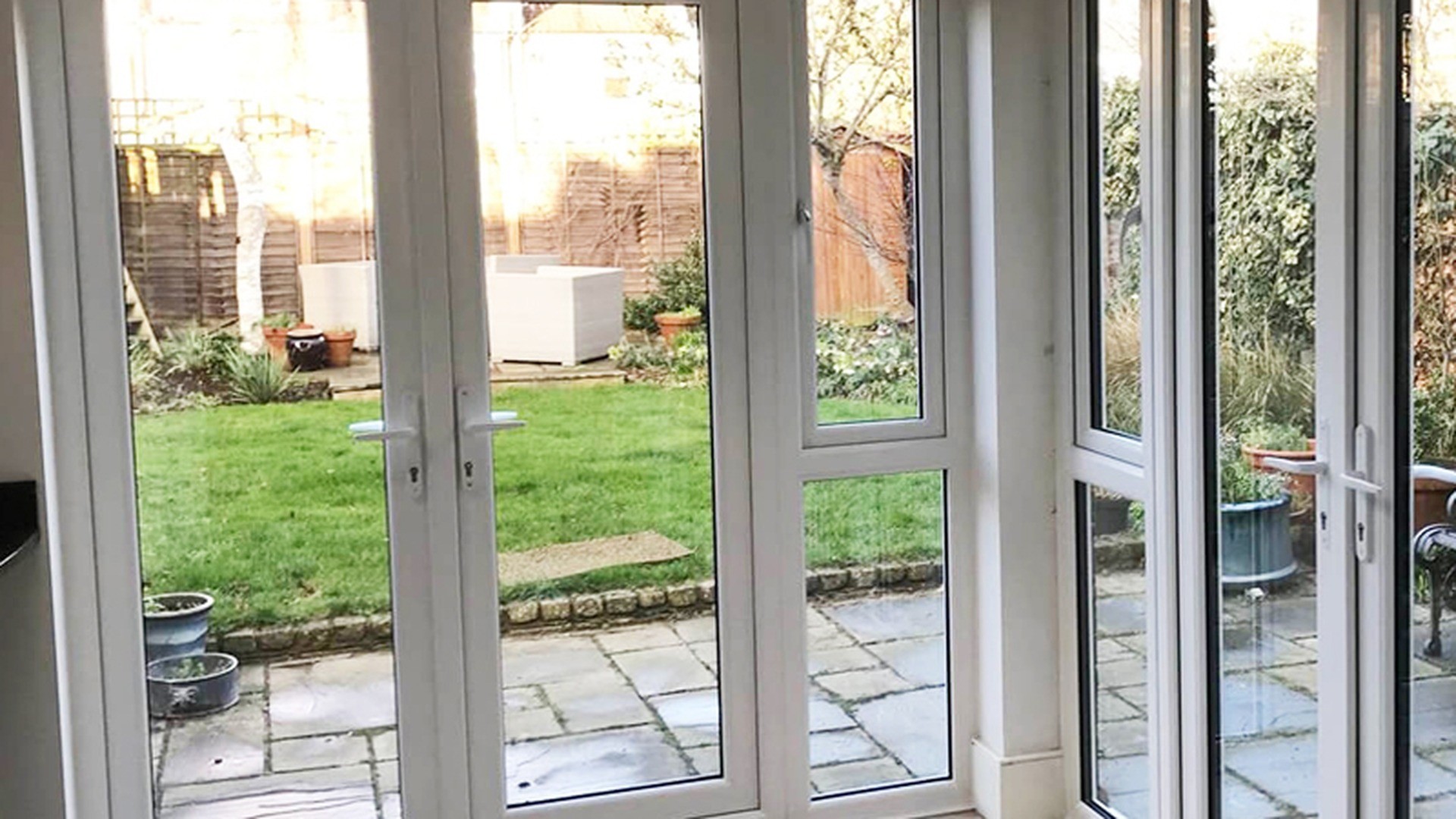
Glass units are set into the sash on gaskets or sealed glazing systems, held by beads, and the drainage path around the glazing is left open so condensate and any water that enters can escape. Double glazing is the baseline for insulated buildings, with triple glazing, low-E coatings and gas fill available where the climate or the energy target demands it; the options and their trade-offs are set out under glass and glazing options. Hardware is the last mechanical step and the most heavily used: multi-point locking, hinges or friction stays, handles and the locking points that pull the sash against its seals. What can be fitted per system, and the hardware specified as standard, is described in the window and door accessories and hardware range, and the wider choice of opening types — including the sliding systems often used in large residential openings — is set out in the custom uPVC sliding window systems range. The China UPVC windows group page collects the same fabrication options - frame colour, glazing and opening type - in one place for comparison.
```
How to Verify a China uPVC Windows Factory Before You Order
Verification is not suspicion; it is the normal way international manufacturing is bought. Every serious factory expects it, and the ones that manufacture properly are usually the easiest to verify because they have the evidence to hand. What follows is the sequence that gives the most information for the least effort, starting with documents and ending with a first order small enough to be safe.
Start with documents and the profile identity
Ask for the business licence, the export record for the markets you sell into, and — most usefully — the identity of the profile system used. A fabricator works with a specific profile system, and that system has published section drawings, chamber layout, wall thickness and reinforcement options. When a supplier names the system and can send the section drawing, the conversation has moved from marketing to engineering. Product test reports and certificates should be tied to the same system, not to a different product from the same company. ROPO's own factory profile, including the production base in Fuzhou and the standards the plant works to, is on the windows and doors factory profile page, which is the kind of page a buyer should look for on any supplier's site: not a slogan, but a description of what the plant contains and does.
Ask for a live walkthrough, not a promotional video
An edited factory video shows a clean floor and a wide-angle shot of a machine. A live video call, arranged at short notice and walked from cutting through welding to glazing, quality control and packing, shows whether those stations exist, whether they are being used on real orders, and whether the person holding the phone knows what the machines do. Three specifics are worth asking to see: a frame opened to show the steel reinforcement inside the chamber, a welded corner with the seam cleaned, and a drainage slot machined into the bottom of a frame. Each is a one-second check for the factory and an almost impossible one to fake convincingly. Recorded production and inspection footage is a useful second step rather than a substitute, and the factory production and inspection videos shown on a supplier's site should match what you see live.
Check the paperwork that will matter later
The technical documents you will want in twelve months are the ones that identify what you bought: the approved specification, the section drawings, the glazing and hardware schedule, and the packing list. A factory that keeps order records properly can reissue all of them, and can supply the matching component — a gasket, a handle, a set of rollers — when something needs replacing. Ask how the plant identifies units after production; barcoded units traceable to an order batch are the mechanical answer to that question. The catalogues, drawings and assorted technical documents a supplier keeps available are collected in the technical documents and product catalogues library, and the test evidence behind a system is explained on the quality certificate and test report page.
Order a sample, then a small first order
The cheapest verification is a sample unit. A single window exposes the whole process in a way no photograph can: the accuracy of the frame, the quality of the weld cleaning, the fit of the sashes, the feel of the handle and the hardware, the gaskets, and the care taken with packing. Because the minimum order quantity for a custom uPVC window is one piece, a sample does not need to be justified by volume, and neither does a small first order. Buyers who test a supplier with one unit before releasing a project generally find that the first order pays for itself in avoided arguments, which is the reasoning set out in the guide to importing windows and doors from China. Before making contact, the China UPVC windows wholesale listing is a quick way to see the range a factory expects to be asked for.
Quality Control, Testing and Certification
Quality control is the part of a factory that is hardest to photograph and easiest to verify from documents, because a controlled process leaves a record. The useful question is not “do you have QC?” but “what does the QC record for my order look like, and who signs it?”
What a controlled factory checks, and when
ROPO's production runs to a five-step inspection sequence, and the sequence is a useful template for judging any supplier. It starts with an order review before any material is cut, so that specification errors are caught while they are still free to fix. Then incoming inspection of raw materials — profiles, reinforcement, glass, hardware — because a good process cannot rescue bad inputs. Semi-finished inspection follows, at the stage where dimensions and reinforcement can still be corrected. Finished product inspection checks the assembled window, its operation and its seals, which on a uPVC window means opening and closing it and confirming that the sash compresses the gasket as designed. Finally a final inspection report is issued before packing, which is the document a buyer should ask to receive with the shipping documents.
Certification that applies to your market
Compliance is market-specific, and a factory that exports widely will be able to tell you which tests apply where. For Australia and New Zealand, uPVC windows are specified and tested against AS2047 for wind, water and structural performance, with NZS4211 covering the security and hardware side — the pair of standards councils and certifiers expect to see. For hurricane-rated projects in the United States, Miami-Dade approval is the benchmark most specifiers ask for, and it applies to specific tested assemblies rather than to a factory in general. A fixed window used where the opening does not need to operate — such as the AS2047-tested uPVC fixed windows manufactured to project dimensions — is tested as its own system, just as an opening window is. Windows supplied through the China UPVC windows factory route are produced to the same drawings whether the order is one unit or a project release.
The practical rule is that certificates are only as useful as their traceability. Ask which tested configuration your order corresponds to, and whether the report covers the size and glazing combination you are buying. Products that operate — the inward-opening, tilt-and-turn arrangements common in European and Australian residential work, covered under custom uPVC tilt and turn window systems — carry their own hardware and security evidence. Cover supplied per product is summarised in the window and door warranty list, and it is worth reading once at the quotation stage rather than during a claim.
Prices, MOQ and Lead Time: What Factory Direct Really Means
“Factory direct” is a claim about who you are buying from, not a promise about price. The reason two China uPVC windows factories quote a 30% difference for what looks like the same window is almost always that they are not the same window, and the difference sits in the items a quotation rarely itemises.
What actually drives the price of a uPVC window
- Profile system and wall thickness — the section, the number of chambers and the profile class determine how much material is in the window and how it performs.
- Steel reinforcement — thickness, galvanising and the way it is fixed inside the chamber; it is one of the most common places to reduce cost invisibly.
- Glass build-up — single, double or triple glazing, low-E coatings, gas fill, laminated or toughened panes, warm-edge spacers.
- Hardware — a multi-point locking set from an established brand costs several times a generic one, and it is what the owner touches every day.
- Size and configuration — more sashes, larger spans and unusual shapes add profile, glass, hardware and labour.
- Finish — standard white, woodgrain laminate and dual-colour frames carry different costs and lead times.
- Order size and packing — quantity affects unit cost, and export packing affects the delivered price as much as it affects the damage rate.
The way to neutralise all of this is to specify before you ask. Send the same complete brief to every supplier and the quotes become comparable; send a vague enquiry and you will be comparing three different products. A specification should state the opening sizes and quantities, the window type and opening direction, the profile system or performance requirement, the glass build-up, the hardware expectations, the colour and finish, and the destination port. Every line of that brief can be checked against the published China UPVC windows range before it is sent, which shortens the first round of correspondence considerably.
MOQ, lead time and scheduling
The minimum order quantity at a bespoke uPVC window manufacturer is one piece, which means the smallest order a factory takes is a sample and the largest is a project release — the difference is in scheduling rather than in whether the order is accepted. Lead time is best treated as a schedule, not a number: ask for the production milestones — material preparation, fabrication, glazing, inspection, packing, dispatch — and for the date each is planned. Factories that hold profile and hardware inventory in stock shorten the front end of that schedule, and a factory that follows an order through every stage can tell you where it is on any given day. Buyers who want cost, timing and payment handled in one place should read the commercial questions collected in the window and door ordering FAQ, and the fastest route to an indicative price for a specific window is the quick selection and quotation form.
About ROPO Windows
ROPO is a custom windows and doors manufacturer based in Fuzhou, Fujian Province, China, with 16 years of experience in bespoke window and door production. The factory ships to clients in more than 100 countries and regions and works to a simple operating philosophy that the whole team follows: "Do what we say we are gonna do."
For a buyer evaluating a China uPVC windows factory, that philosophy is measurable rather than decorative. The plant produces to order rather than to stock, which means every window is built against an approved specification and can be changed while it is still a drawing. Frames and sashes are cut, reinforced, welded and glazed in-house, so the operations that decide whether a window seals are under the factory's own control rather than a subcontractor's. Products are manufactured and tested to recognised standards including AS2047 and NZS4211 for Australia and New Zealand, and Miami-Dade approval is available for hurricane-rated projects. A minimum order quantity of one piece means a sample or a single replacement window can be ordered without waiting for a project, and every order is backed by a 10-year warranty. Company and factory details are on the ROPO Windows factory profile page, and buyer protection covering product quality, on-time shipment and payment is described under Trade Assurance protection for window and door orders. The current range that the plant produces to order is listed on the China UPVC windows group page.
Custom Production Process
Every order follows the same workflow, whether it is a single sample window or a full project release, and each stage produces a document the buyer can hold on to:
- Design confirmation - opening dimensions, window type, opening direction, profile system, colour, glass build-up, hardware and handing are reviewed and confirmed in writing before production starts. This stage is where a bespoke order is protected from the most expensive mistake in the industry, a window built to a misunderstanding; for larger projects it also ends in approved drawings and schedules that can be circulated to the site team.
- Profile preparation - profiles and galvanised steel reinforcement are cut and machined on CNC equipment to the approved dimensions, frames and sashes are assembled, and corners are fusion welded and cleaned so that the welded line is straight and airtight.
- Hardware and glazing - multi-point locks, hinges or friction stays and the specified glass units are fitted and sealed by trained operators, and the sash is set so that it closes onto its gasket evenly; the window and door accessories and hardware range lists what can be specified per system, and the standard systems produced to order are grouped on the China UPVC windows factory page.
- Five-step quality control - order review, incoming material inspection, semi-finished inspection, finished product inspection, and a final inspection report before packing. For an importer, the last two are the ones to ask for: the finished product check is where the window is operated and its seals verified, and the final report is the record that travels with the shipment. The factory production and inspection videos show the assembly and testing stages as they run.
- Documents and traceability - test reports, compliance certificates and packing documentation are prepared for each order, and every unit is barcoded so its production record can be traced from the installation back to the batch it was built in.
Because the specification is agreed in writing and held against the order, a replacement sash, gasket or handle years later is a matter of identifying the original configuration rather than matching something visually similar.
Packaging and Shipping
Windows travel a long way, and most damage happens after the factory door closes. Units ship from Fuzhou to clients in more than 100 countries, so packaging is treated as part of the product rather than a cost to be minimised. Frames are protected with sturdy timber crating and corner guards, glass surfaces are covered with protective film, and loose hardware is packed separately where needed so it cannot damage a unit in transit. The protective film is worth leaving in place until installation, because it protects the frame and glass through the dirtiest stage of any project, after which it strips away cleanly.
ROPO ships from the ports of Fuzhou and Xiamen by sea, with full container and shared LCL options, so a sample window and a project release can both be shipped without waiting for a full container — which is what makes the sample-first approach practical for an importer. Lead time is managed through a system rather than a promise: profile and hardware inventory is kept in stock, and orders are followed up at every production stage, so the schedule can be confirmed at any point rather than guessed. Ordering a spare hinge, handle or gasket alongside a later shipment is routine for the same reason.
To move from research to a quotation, send the opening sizes and quantities, the window types and opening directions, the performance requirement or profile system, the glass build-up, the colour and finish, and the destination port. That is enough to come back with a priced, like-for-like quotation and the documents that support it. Start with the quick selection and quotation form for a free price, send your window and door inquiry or contact the ROPO export team directly, and read more sourcing and technical guides on the ROPO windows and doors blog. If the window type is already decided, go straight to the China UPVC Windows range and request a price from there.