Double Glazed Windows vs. Single Glazed: Which Is Right for You?
- Share
- Issue Time
- Apr 21,2025
Summary
Compare double glazed vs single glazed windows. Learn key differences in thermal U-values, acoustic insulation, condensation control, energy savings, and cost ROI.

When planning a residential build, property renovation, or commercial architectural development, window fenestration represents one of the most critical specifications impacting energy efficiency, indoor acoustic comfort, condensation resistance, and long-term operating costs. Homeowners, property developers, and contractors frequently evaluate whether to install traditional single glazed windows (also known as single-glazed windows or standard single glaze windows) or upgrade to high-performance double glazed windows. Understanding the fundamental dynamics of double glazing vs single glazing—as well as analyzing single glazing vs double glazing across varied climate zones—is vital before placing window schedules. When assessing architectural options between double glazed vs single glazed windows, property owners frequently ask single glazing vs double glazing which is best for your home to optimize long-term comfort and energy savings. In modern architectural design, comparing single vs double glazed windows and evaluating double vs single glazed windows goes far beyond aesthetic appearance. Comparing single glazed vs double glazed windows and analyzing double glazed windows vs single glazed units dictates how effectively your building envelope maintains thermal stability during extreme summer heatwaves and freezing winter conditions. In thermal imaging tests comparing double pane windows vs single pane glass, double pane units maintain an interior surface temperature over 8°C warmer. In modern residential architecture, replacing drafty single-glazed windows vs double glazed systems restores indoor thermal balance. Whether evaluating thermally broken aluminium windows and doors or high-efficiency custom uPVC window systems, comparing single glazed windows vs double glazed windows allows property owners to optimize their capital investment and achieve rapid utility bill payback. To understand the fundamental difference between single and double glazed windows and the overall difference between double glazed and single glazed windows, one must examine the construction of the glazing unit itself. Understanding the structural difference between single and double glazing centers on how energy transfers across fenestration. When asking what is single glazed glass, it refers to a single sheet of glass (monolithic float, toughened, or laminated) installed into a frame. Older properties relying on traditional single glazing windows or a legacy single glazing window experience rapid thermal conduction, as single glass lacks any insulating barrier. Conversely, when specifying a high-performance single double glazed window assembly, installing a double glazed single window in a residential bedroom, or evaluating double glazed windows vs single, the unit consists of two panes of glass hermetically sealed around a perimeter spacer tube filled with molecular sieve desiccant. When inspecting a double glazed window vs single pane alternative or comparing a single glazed window vs double glazed assembly, the central sealed cavity is injected with 90%+ pure Argon inert gas. When property owners question why is double glazing better than single, the answer lies in Argon gas having 34% lower thermal conductivity than air, forming a transparent insulating thermal blanket. For building projects evaluating high-performance architectural glass options, upgrading from single glazed to double glazed windows delivers immediate thermal equilibrium. The table below provides a quantified engineering comparison between conventional single pane glazing, standard clear double glazing, and high-performance Low-E Argon double glazed systems: A primary consideration for commercial builders and private homeowners is the double glazed vs single glazed windows cost and overall single vs double glazed windows cost. When calculating the initial price difference between single and double glazed windows, double glazed systems typically carry an upfront material premium of 25% to 40% compared to basic single glazed frames. However, when evaluating long-term operational expenditure, building physics demonstrates why the double glazing vs single glazing cost equation overwhelmingly favors double glazing. Because single glazing leaks indoor conditioned air continuously, heating and cooling equipment must run constantly. A typical single glazed household loses up to 40% of its heating energy through window panes in winter and gains up to 87% of unwanted heat through glass in summer. By investing in double glazing, property owners recover the initial cost delta within 3 to 5 years through lower utility bills, making the question is double glazing worth it a resounding yes for any permanent structure. Clients asking how much is a window find that factory-direct sourcing from ROPO enables builders to procure certified custom architectural windows and heavy-duty insulated exterior door systems at substantial wholesale savings, neutralizing local retail markups. To suit varied structural layouts and architectural aesthetics, ROPO manufactures specialized double glazed fenestration systems tailored to specific project requirements: When selecting glazing systems for heritage and traditional renovations, architects frequently evaluate double vs single glazing for sash windows. Historic properties that previously relied on drafty single pane vertical sliders can now be fitted with slimline double glazed sash units or heritage mock sash profiles, preserving authentic aesthetic sightlines while meeting strict modern energy efficiency codes. In addition to aluminum frames, developers frequently source custom uPVC window systems. While outdated entry-level developments used single glazed upvc windows, modern energy codes dictate multi-chamber double glazed aluminum windows and thermally broken vinyl units as standard. For North American and Canadian projects deciding on single or double glazing toronto guidelines, or Australian developments requiring compliant double glazed windows ballarat solutions, insulated double glazing provides mandatory code compliance under AS2047, NFRC, and CSA standards. For custom residential openings, our factory manufactures specialized sash typologies including the standard egress window with wide emergency opening clearance, as well as factory-fitted internal blinds for tilt and turn windows. When international clients compare architectural glazing options—such as examining single and double glazed windows, comparing single glass vs double glass, or evaluating las dos cosas (both glazing methodologies)—having factory sample technical pictures and comprehensive cross-section data allows informed decisions. Sourcing clients frequently ask overseas engineers وريني شكله (show me how it looks), which is why ROPO provides full 3D corner cuts, physical profile samples, and structural test certifications for global projects. To further enhance your understanding of modern architectural window systems, explore our complementary engineering guides: Submit your window schedules or architectural elevation drawings to ROPO's technical team through our official Contact Us Portal (https://www.ropowindows.com/contact-us.htm). Our engineering experts will review structural wind loads, calculate precise U-values, and provide a comprehensive factory-direct quotation within 24 to 48 hours.
1. Comprehensive Thermal Physics: Single Glazing vs. Double Glazing
2. Engineering Specifications: Single vs. Double Glazed Performance Comparison
Performance Metric
Single Glazed Windows
Standard Double Glazed (Clear)
High-Performance Low-E Argon Double Glazed
Glass Configuration
1x 5mm or 6mm Monolithic Glass
5mm Clear + 12A (Air) + 5mm Clear
5mm Low-E + 12A (90% Argon) + 5mm Clear
Overall U-Value (Uw)
5.8 W/m²·K (High heat loss)
2.7 - 2.9 W/m²·K (Moderate)
1.4 - 1.8 W/m²·K (Superior insulation)
Solar Heat Gain (SHGC)
0.82 (High solar radiation)
0.70 (Standard solar entry)
0.32 - 0.48 (Optimized solar control)
Acoustic Rating (Rw / STC)
25 - 28 dB (Street noise penetrates)
30 - 32 dB (Noticeable reduction)
35 - 42 dB (Quiet indoor sanctuary)
Condensation Resistance (CRF)
30 - 35 (Frequent moisture dripping)
50 - 55 (Dramatically reduced)
68 - 75 (Condensation virtually eliminated)
HVAC Energy Savings
Baseline (0%)
15% - 20% Electricity reduction
28% - 38% Annual electricity savings
Estimated ROI Payback
N/A (Ongoing energy waste)
4 - 6 Years via energy savings
3 - 5 Years with high property equity gain
3. Cost Analysis & Investment Value: Double Glazed vs. Single Glazed Windows Cost
4. Dedicated Double Glazed Product Systems for Modern Architecture
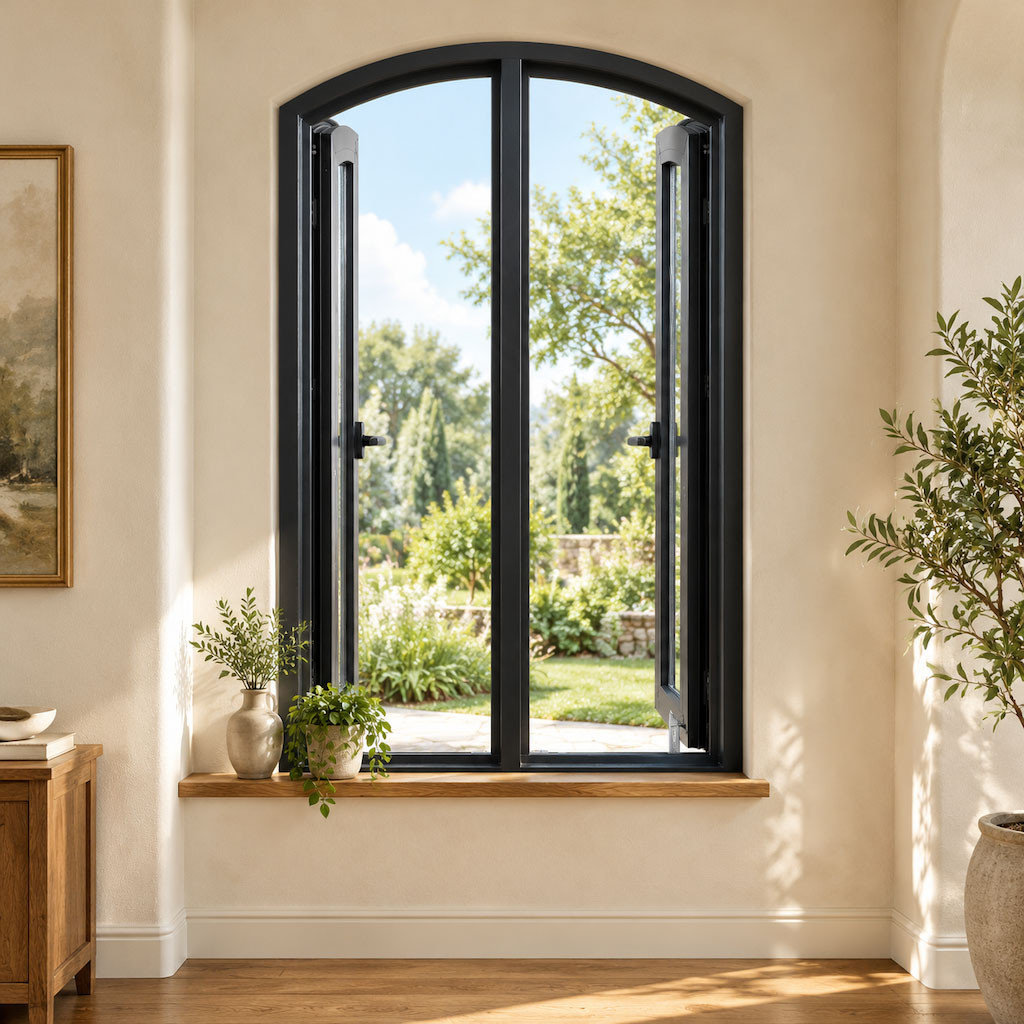
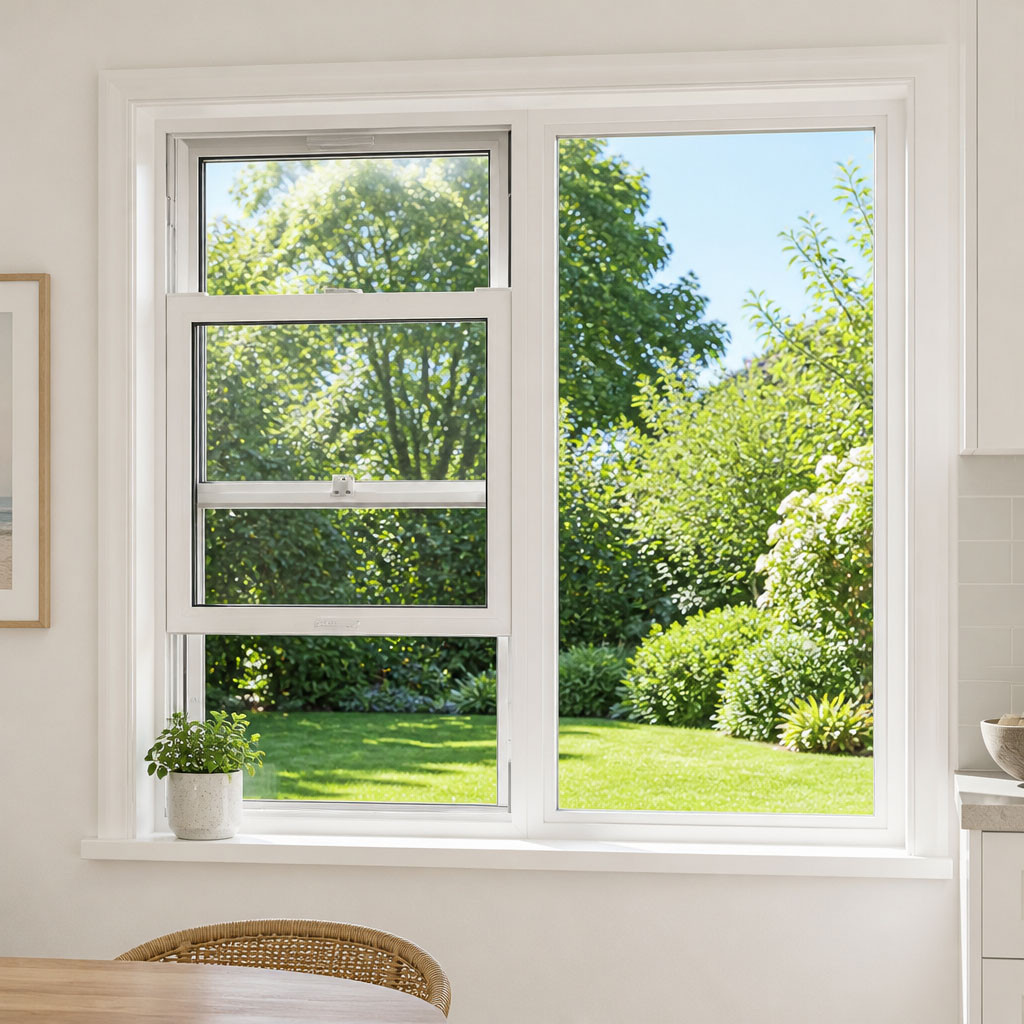
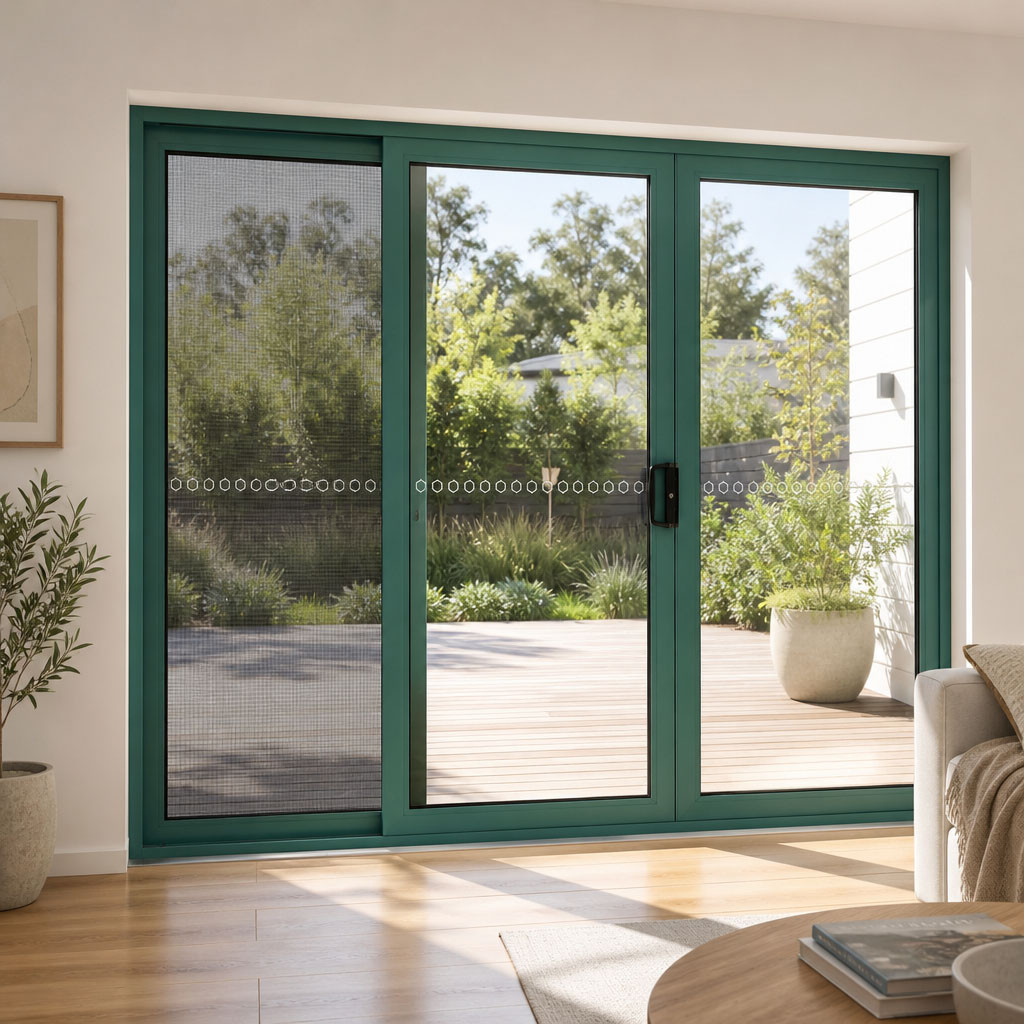
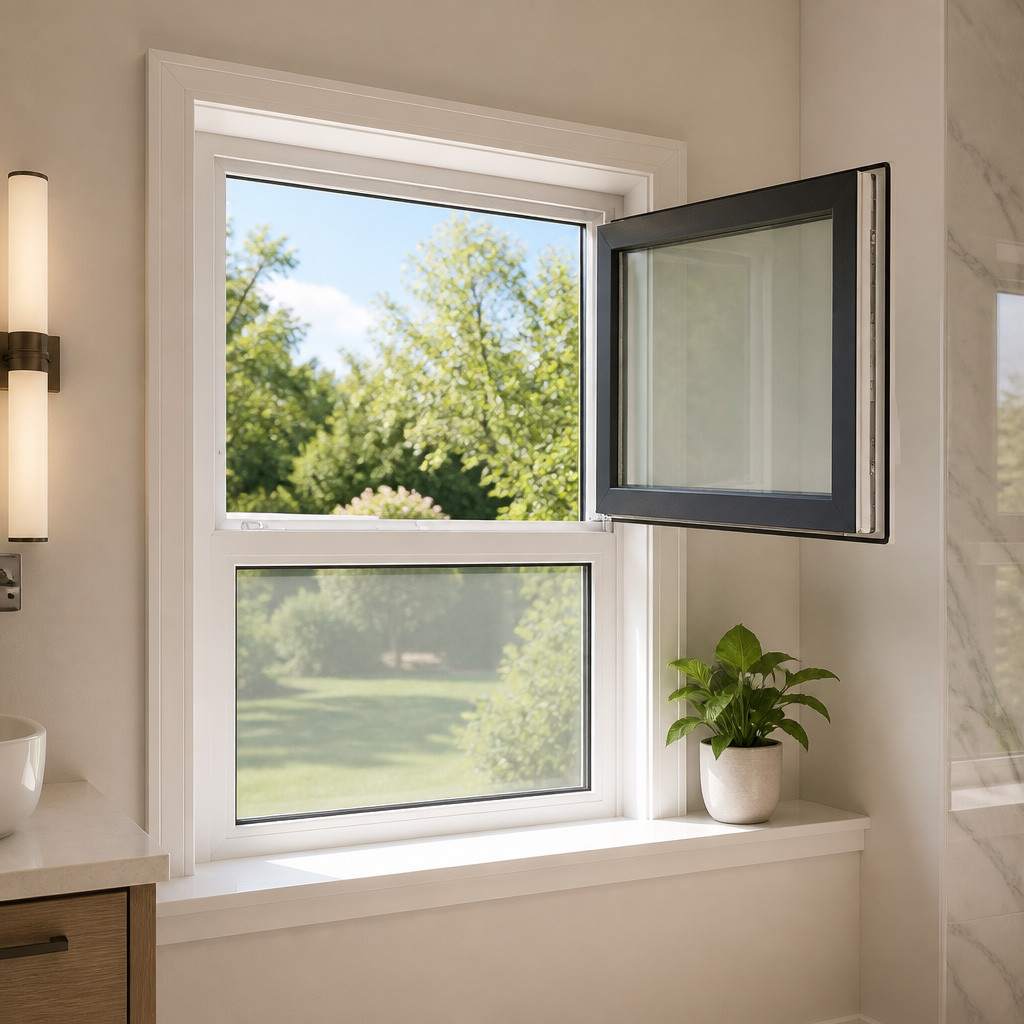
5. Specialized Window Typologies: Sash, uPVC & Regional Engineering
6. In-Depth Technical Insights & Related Fenestration Guides
Frequently Asked Questions (FAQ)
Planning a Single-to-Double Glazing Upgrade or Custom Project?