Top 5 North America Window Suppliers for the USA and Canada (NFRC, ENERGY STAR and Miami-Dade)
- Share
- publisher
- ROPO Windows
- Issue Time
- Nov 18,2026
Summary
The USA and Canada ask for three different things: an NFRC rating, an ENERGY STAR label and, in Florida, a Miami-Dade approval number. This guide ranks five North America window suppliers by route — factory-direct, US national brand, Canadian vinyl fabricator — and sets out the documents, glass build-ups and packing questions to settle before a purchase order.

Which Window Suppliers Should You Shortlist for the USA and Canada?
For US and Canadian projects the five suppliers worth shortlisting are ROPO Windows, Andersen, Marvin, North Star Windows and Vinylbilt. They represent five different routes rather than five versions of the same company: a factory building to your schedule, two US brands selling through dealers, and two Canadian vinyl fabricators supplying regional dealers and renovators.
What this shortlist is ranked on
The ranking is by fit for a US or Canadian project, not by size, revenue or brand recognition. Five things decide that fit. Whether the company publishes the performance data a permit or an energy rebate application actually needs. Whether it can put an approval number, not just a logo, next to a claim. Whether the same company controls the frame, the glass and the hardware, because a mixed specification is where ratings quietly fail. Whether it can ship a full house package without a second supplier for the fixed lights and the sliding doors. And whether someone is still accountable after the units are installed and the final inspection has been signed.
Order in this list is not a quality score. A builder in Ontario replacing sixty windows and a developer in Texas fitting out a coastal condominium need different suppliers from the same five names, and the sections further down say which is which. What follows is a route comparison: each supplier is described by the public information it publishes about its own products, and this article deliberately publishes no revenue, headcount, capacity or market-share figures for any company named.
Why NFRC, ENERGY STAR and Miami-Dade are three separate questions
The three acronyms get used interchangeably in quotation emails, and they are not interchangeable. NFRC is a rating and certification system: a whole-product performance value, produced under a uniform procedure, that lets a buyer compare two windows on the same basis. ENERGY STAR is a programme built on top of those ratings, with thresholds set by climate zone. Miami-Dade is a product approval issued for a specific product tested to a specific standard, and it exists because a Florida building official needs a number to write on a permit.
A supplier can be strong on one and silent on the other two, which is why the shortlist below asks for documents rather than adjectives. The mechanics of each system — how a U-factor is calculated, what a notice of acceptance contains, how a Canadian project reads the same data — are already set out in the guide to NFRC, ENERGY STAR and Miami-Dade approvals. What that guide does not answer is the commercial question a project manager has to answer next: who do we buy from, and what does that choice commit us to.
What this article leaves to other guides
This is a supplier article, so it stops where the technical specification begins. Salt-spray classes, laminated versus tempered panes and the differences between the Australian and North American fenestration standards are covered elsewhere; what remains here is the buyer's route decision. Buyers who already know the performance target and only need to compare offers against a factory baseline can go straight to energy star aluminium windows and read the published configuration options before shortlisting anyone.
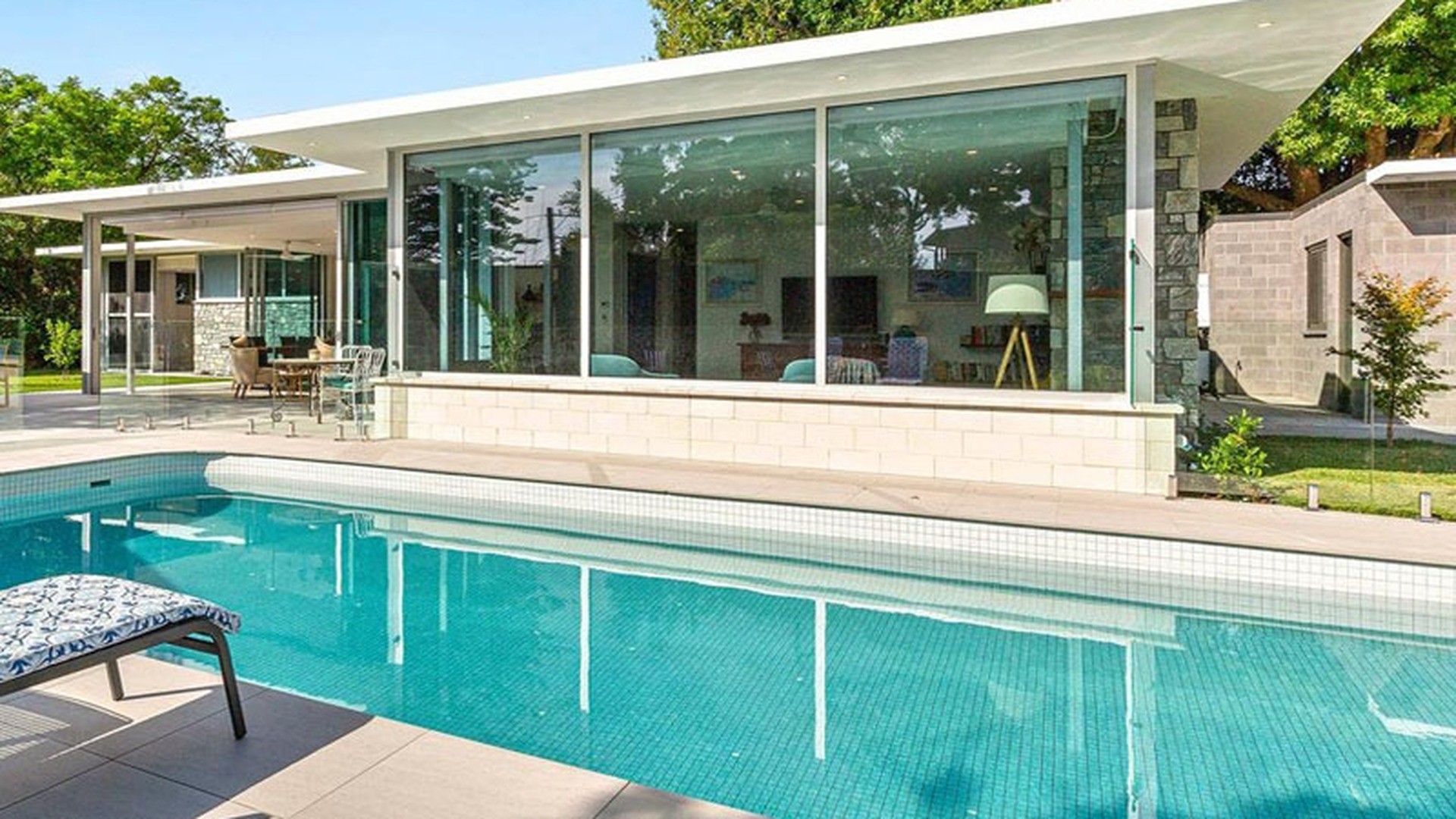
The Five North America Window Suppliers, Ranked by Route
These are the five North America window suppliers this guide puts in front of a US or Canadian buyer, described by what each company publishes about its own products and sales route. Read the list as a map of five ways to buy a window, because that is what decides the risk profile of a project far more than the logo on the quotation.
1. ROPO Windows — factory-direct aluminium and uPVC built to your schedule
ROPO Windows is a window and door manufacturer based in Fuzhou, Fujian Province, China, with 16 years in the trade and customers in more than 100 countries. The factory builds aluminium and uPVC windows and doors to project drawings, from a single sample unit to full container loads, and publishes its certifications, warranty terms and inspection records as standing documents rather than on request. For a US or Canadian buyer, the route is direct: the company that cuts the profile is the company that answers the technical question, and there is no dealer margin or local assembler between the specification and the saw.
What makes the factory route workable for North America is that the product range already includes the shapes those markets ask for. Aluminium casement and sliding windows, double hung frames for replacement work, fixed lights for view elevations and impact-rated units for coastal jurisdictions are all published as separate product lines, and the ENERGY STAR aluminium window range is the entry point for buyers whose performance target is written in programme terms. The frame standard is a 6063-T5 alloy profile, the thermally broken systems use a PA66 barrier, and the quality page states that units are manufactured and tested against AS2047:2014 glazing standards as well as the North American Fenestration Standard referenced through AAMA, NFRC and NAMI, with Miami-Dade test evidence held as a separate certificate line.
Two limits are worth stating plainly. A factory-direct order puts the measuring, the installation and the local permit conversation on the buyer, because the factory does not send crews. And a custom order means a drawing approval stage that a stock purchase does not have, which is a feature rather than a delay: it is the point where a wrong dimension is caught on paper instead of in a crate. Buyers who want the whole envelope in one purchase — casements, sliders, fixed glazing and the doors between them — can see the pairing in the aluminium casement window range before they commit to a schedule.
2. Andersen — the US brand that publishes its performance test reports
Andersen is a US window and door manufacturer selling through a dealer and contractor network, with a replacement channel operating separately as Renewal by Andersen. Its public material is unusually useful for a buyer who has to satisfy an inspector: the site publishes energy and performance data, performance test reports, sizing documents and architectural tools, and it maintains a distinct coastal windows and doors line for jurisdictions where wind and water drive the specification.
The practical advantage of that route is documentation depth and local availability. The practical cost is that the product is bought through a third party, so the price includes the dealer's margin and the lead time includes the dealer's queue. For a Canadian project the same structure applies with cross-border logistics added, which is why buyers comparing a US brand against a factory quote should compare the delivered, installed and permitted cost rather than the unit price on the sheet.
3. Marvin — collections plus a coastal and impact line
Marvin is a US manufacturer organised around product collections — Ultimate, Modern, Vivid, Elevate and Essential — spanning aluminium, its proprietary Ultrex fiberglass and wood, with a Coastal + Impact solution set positioned at projects that have to meet building codes in harsh conditions. The collection structure matters commercially: a buyer can specify a consistent family across a whole elevation, which is what architects and specifiers usually want, and the material choice follows the exposure rather than the other way round.
For a Canadian buyer the same collections are available through dealers, and the fiberglass and aluminium exteriors are the ones usually proposed for coastal or high-moisture work. What a buyer should verify is not the marketing name but the specific tested assembly: which collection, which glazing package, which rating, on which report. A collection can contain dozens of tested configurations, and the one on the quotation is the only one that counts.
4. North Star Windows — Canadian vinyl since 1985
North Star Windows is a Canadian manufacturer of vinyl windows and patio doors that states it has been building windows since 1985, selling through a dealer network and publishing glass options, ENERGY STAR information and its own co-extruded reinforcement system. That combination — a Canadian factory, a dealer channel and a published energy programme page — is the typical shape of the domestic supply route in Canada, where replacement work and code-driven renovation make up much of the demand.
The strength of this route is climate fit and service proximity: a Canadian fabricator builds for Canadian winters as a matter of course, and a dealer is close enough to visit a site. The trade-off is range. A vinyl fabricator's catalogue is deep in the shapes that sell regionally and thinner in the large-format aluminium and impact products a coastal or commercial project may need, so it is common for a Canadian builder to buy the bulk of a house from a domestic fabricator and the feature openings from a factory elsewhere.
5. Vinylbilt — Ontario vinyl with ENERGY STAR programme membership
Vinylbilt is a Canadian vinyl window manufacturer whose own site states that it is a member of the ENERGY STAR programme, and it sells through dealers and installers rather than direct. For a buyer in Ontario or the surrounding provinces it represents the local-fabricator option in its purest form: a vinyl product range, a dealer network, and an energy programme claim that can be checked against the programme listing rather than taken from a brochure.
The question to ask of any local vinyl supplier is the same, and it is not about the profile brand. Ask which tested assembly the quote corresponds to, whether the reinforcement is galvanised steel or a co-extruded composite, what glass build-up is assumed, and who performs the warranty labour if a sealed unit fails in year six. A local supplier that answers those four questions in writing is worth more than a cheaper one that answers them verbally.
How the five routes compare side by side
The table below is the short version of the five sections above. It compares routes, not companies, and it is the table to use when a project team is arguing about brand names: the question that actually decides the outcome is which route the project can support.
| Supplier | Route | Best fit | What to verify before ordering |
|---|---|---|---|
| ROPO Windows | Factory-direct, custom build | Whole-house packages, project schedules, mixed window and door envelopes, buyers who can manage installation locally | Drawing approval set, tested assembly behind the claimed rating, crate dimensions and packing list format |
| Andersen | US brand through dealers and contractors | Projects that need published test reports, local service and a familiar name on a permit | Which dealer holds the order, the specific report for the specified unit, and the installed lead time |
| Marvin | US brand, collection-based specification | Architect-led elevations that need one family across many openings, coastal and impact work | The exact collection and glazing package tested, and the impact or coastal evidence for that configuration |
| North Star Windows | Canadian vinyl fabricator, dealer network | Canadian replacement and renovation work where winter performance and local service dominate | ENERGY STAR listing for the quoted unit, reinforcement type, glass package and warranty labour terms |
| Vinylbilt | Canadian vinyl fabricator, dealer network | Ontario and nearby provinces, dealer-sold residential work | Programme listing for the quoted product, sealed-unit warranty process, and who performs remedial work |
One reading rule for the table: the right-hand column is the only one that transfers between suppliers. A buyer who asks all five the same four questions will get answers that can be compared, and the comparison will usually settle the shortlist faster than another round of price requests. Buyers who want to see how those answers look on paper can request the energy star aluminium window specification alongside the quotation and check whether the two documents describe the same product.
What NFRC, ENERGY STAR and Miami-Dade Ask of a Supplier
The three systems ask different things, and a serious shortlist of North America window suppliers is built by separating them. NFRC asks for a rated value produced under a uniform procedure. ENERGY STAR asks whether that value clears a threshold set for a climate zone. Miami-Dade asks whether one specific product passed one specific test and carries a number a building official can look up. A supplier can satisfy one and not the others, and the quotation rarely says which.
NFRC is a rating, not a sticker on the frame
The National Fenestration Rating Council operates a certification and rating system: products are rated under uniform procedures, the ratings are certified and labelled, and the point is comparability. A rated window carries values that describe the whole product — the frame, the spacer, the glass and the way they behave together — which is why a glazing package with an impressive centre-of-glass number can still produce an ordinary whole-product figure.
What a buyer needs from a supplier is not the word "NFRC" in an email but four linked facts: the label or report, the model or assembly it applies to, the values on it, and confirmation that the quoted configuration is the rated one. The complication is proportional: a fixed light and a large sliding door are different products with different ratings, and a supplier that has rated one cannot extend that rating to the other by similarity. The relationship between the rated value and the actual comfort of a room is set out in the explanation of window U-value, which is useful ammunition when a project team starts comparing numbers from three different product families.
ENERGY STAR is a climate-zone programme, not a global standard
ENERGY STAR for windows and doors works by recognising products that meet or exceed programme criteria in a given climate zone, and the criteria are revised over time as the programme versions change. That single sentence explains most of the confusion in cross-border purchasing. A unit that qualifies in one zone may not qualify in another, a unit qualified under an older version may not qualify under the current one, and a Canadian buyer is reading a different programme page from a buyer in Florida even when the product is the same.
The practical rule is to ask for the programme listing for the product being bought, not for the product family. A supplier that can point to a listing, name the zone it applies to and confirm the quoted glass build-up is the listed one has done the work. A supplier that answers with a logo has not. This is also the point where glass choice becomes commercial rather than technical: coating type, cavity width, gas fill and spacer technology all move the number, and the trade-offs are set out in the Miami-Dade sourcing guide for buyers whose project also carries an impact requirement.
Miami-Dade is a product approval with a number attached
In Florida's high-velocity hurricane zone, the approval system exists so a building official can verify that a product has passed the required impact and pressure testing and is approved for the application. That is why the question is not "is it hurricane proof" but "what is the approval number, which product does it cover, and what are the limits of its use". A notice of acceptance lists the product, the test standard and the conditions of use, including size limits, and a project outside those limits is not covered by the approval however similar it looks.
For a supplier, maintaining that evidence is a manufacturing discipline rather than a marketing one: the tested assembly must be reproduced, not approximated. Buyers should therefore expect the approval to name a configuration — frame series, glazing make-up, hardware — and should compare that configuration against the shop drawings before production. Projects that mix impact and non-impact openings in one elevation need the distinction marked on the drawings, not handled verbally on site. The aluminium hurricane impact window range is where that distinction starts at product level, and the comparison of aluminium and uPVC impact systems explains why the two materials reach the same requirement by different routes.
Where Canadian requirements diverge
Canada shares the North American rating framework but runs its own programme pages, its own provincial energy requirements and its own building-code adoption timeline. The result is that a Canadian project can require a rated and labelled product, a programme listing for the relevant zone, and a provincial or municipal compliance path, and the three do not always resolve to the same document set. Add a coastal exposure in the Atlantic provinces or a high-wind zone and the specification acquires a fourth layer.
The supplier question is therefore about document production, not geography. A factory that builds to drawings can produce a Canadian order as readily as a US one, provided it is told which programme the project is measured against and is given the drawing set that goes with it. What it cannot do is guess. Buyers who want a single reference for the three systems side by side should read the approvals guide already linked above, then send the supplier the specific zone and the specific code clause rather than the phrase "Canadian standard".
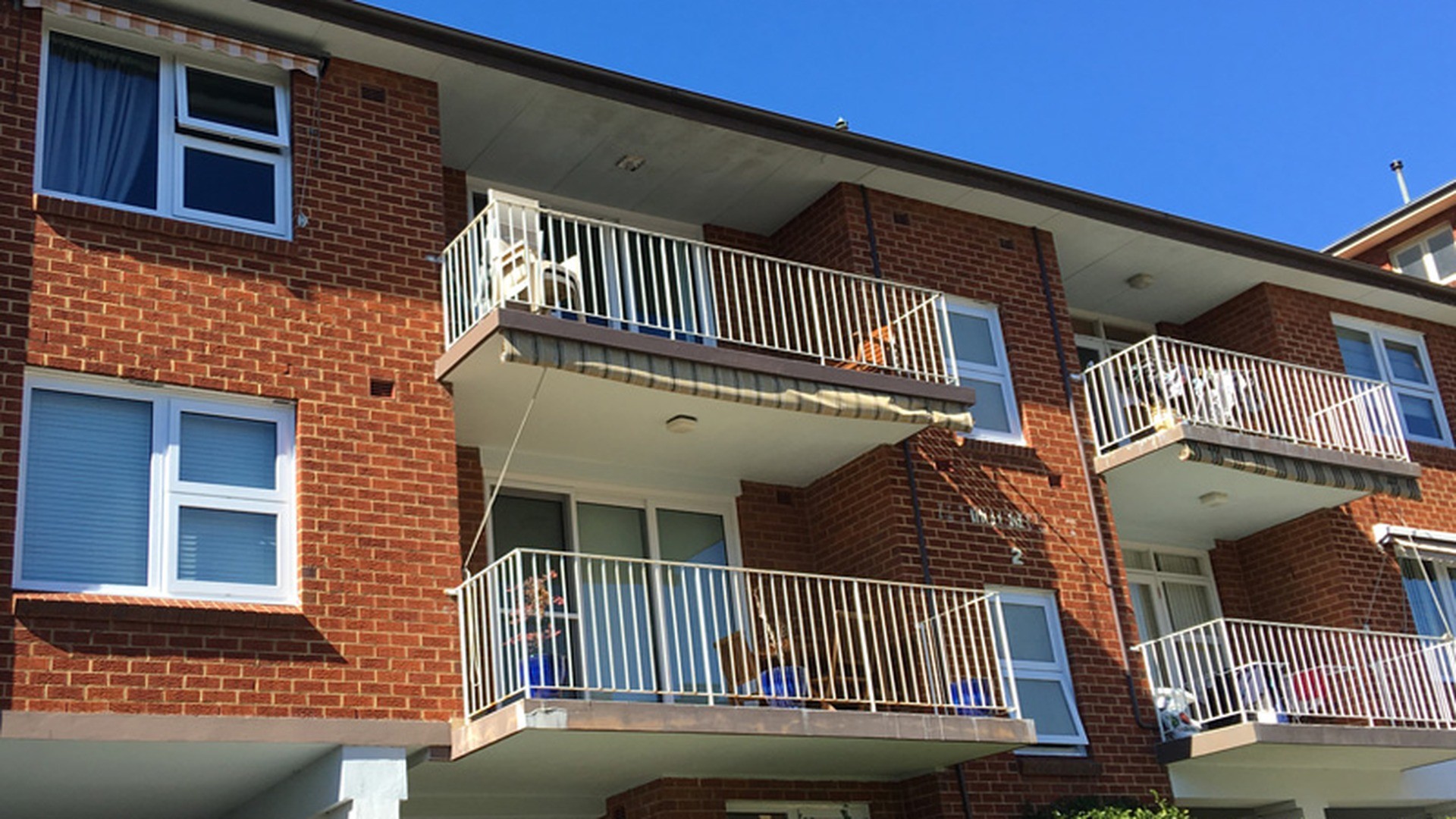
How Factory-Direct Supply Fits a US or Canadian Project
The factory-direct route is the one buyers ask about most and understand least, and it is central to any honest comparison of North America window suppliers. It is not a discount channel. It is a different division of labour: the factory takes the manufacturing risk and the buyer takes the measuring, installation, permitting and after-sales labour risk. Projects that fail on this route almost always fail in the second half of that sentence, not the first.
What a factory controls that a dealer does not
A factory controls the profile, the cutting, the machining, the glazing, the hardware fitting and the packing, and it can change any of them on a production instruction rather than a purchase order to a third party. In practice that means three things a dealer cannot easily offer. A glass change on a single opening can be made without breaking a batch. A hardware substitution can be matched across a whole order. And a packing method can be adapted to a route — a crate designed for a Pacific crossing, marked for the receiving site, with hardware bagged by opening mark.
That control is also why the drawing stage matters so much. The factory builds what is approved, so the approval is the last cheap moment in the project. Buyers who want to see how a factory organises custom work — the sequence from schedule to signed shop drawing to production — can read the process section further down this article, and buyers who intend to resell should look at the terms for becoming a dealer or wholesale partner before assuming the direct route is the only one available.
Where a local brand still wins
A local brand wins on three grounds, and none of them is product quality. It wins on service proximity: a dealer can send a technician, and a factory cannot. It wins on permit familiarity: a local brand's documentation is already known to the inspectors who will review it. And it wins on schedule certainty for small orders, where a container quantity is irrelevant and the buyer needs twelve units next month rather than a full load in a quarter.
The reasonable conclusion is not that one route beats the other but that most projects use both. A Canadian builder may take the bulk of a house from a domestic fabricator and the large sliding doors or the feature glazing from a factory. A US developer may take standard replacement units locally and the impact-rated coastal elevation from a specialist. The comparison that matters is the delivered cost of each package, including the labour the buyer has to supply, and that is a spreadsheet question rather than a brand question.
The documents a factory has to produce for a US or Canadian job
The document set is short and it is the same on both sides of the border, with the programme names changed. A rated performance report or label for the specified assembly. A programme listing where the project is measured against one. An impact approval where the jurisdiction requires it. Shop drawings showing elevations, sections, mullion positions, opening directions and drainage. A packing list matched to the crate markings. And a warranty document that names who performs the work and where.
Two of those are usually missing when a project goes wrong: the tested assembly linkage and the packing list. The first allows a claim that the product is rated while the delivered product is a different configuration. The second turns a straightforward delivery into a day of guesswork at the site. A factory that issues both without being chased is a factory that has done this before. Buyers assembling a package can compare the product families that make up a whole envelope in the uPVC sliding window range and the aluminium double hung window range, which between them cover most of the replacement market on both sides of the border.
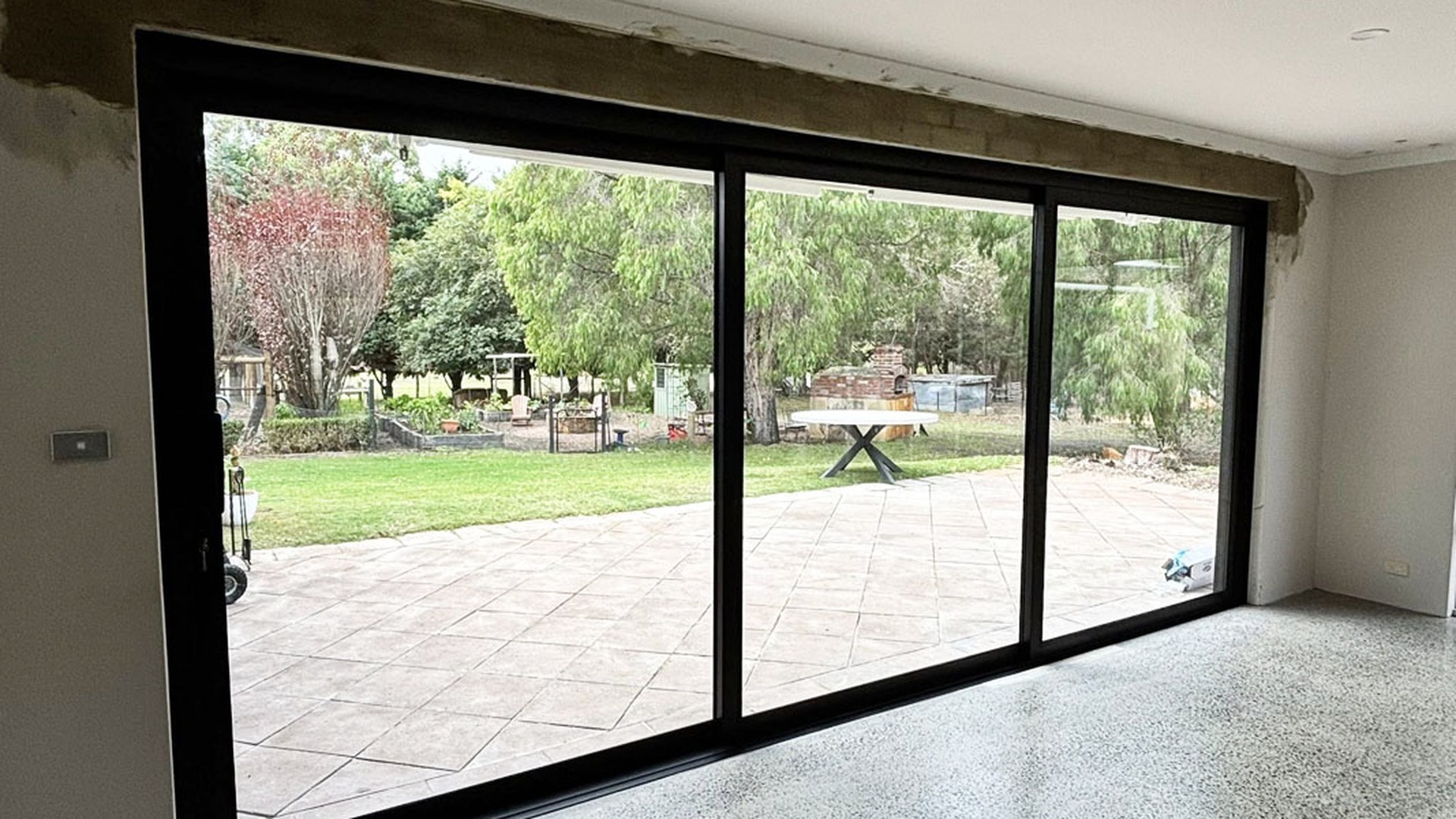
The Specification Questions That Decide the Price
Price differences between North America window suppliers are rarely mysterious once the specification is opened up. Four variables account for most of the gap: the frame material and its wall thickness, the glass build-up, the hardware and finish package, and the documentation that travels with the order. A quotation that does not state all four is not comparable with one that does, and the cheapest of three quotes is often the one that answered the fewest questions.
Frame material and wall thickness
Aluminium and uPVC solve different problems. Aluminium gives slim sightlines, long spans and a frame that can be thermally broken with a polyamide barrier; uPVC gives a multi-chamber profile, welded corners and a low-maintenance finish, usually with galvanised steel reinforcement inside the chambers. Neither is inherently better. A coastal elevation with large sliding panels is usually an aluminium job; a Canadian replacement package with standard openings is usually a uPVC job, and a hybrid package is normal.
Wall thickness is where quotations diverge without saying so. A published range that specifies a 6063-T5 alloy profile is telling the buyer the alloy is standardised, not the gauge, and the gauge is what a wind-load calculation actually consumes. The same is true of uPVC reinforcement: a galvanised steel insert selected to the project is a different product from a nominal insert, and the difference shows up in operation and in long-term squareness rather than on the day of delivery. Buyers comparing profiles can read the material pages for aluminium windows and then ask each supplier to state the gauge on the quotation.
Glass build-up and the rated value
Glass is the largest single variable in both price and performance. A double-glazed unit with a low-emissivity coating, an argon fill and a warm-edge spacer behaves differently from a plain air-filled unit of the same thickness, and a laminated pane adds safety and acoustic performance at a weight and cost premium. On an impact-rated project the glass is not a choice at all: the tested make-up is part of the approval, and substituting a thinner laminated pane voids the evidence even if the frame is unchanged.
The buying rule is to specify the build-up numerically — pane thicknesses, cavity, coating, gas, spacer — and to require the supplier to confirm the rated value for that exact make-up. Descriptive phrases such as "double glazed" or "energy efficient" are not specifications. The options and their consequences are set out in the glass options guide and the guide to choosing glass for windows and doors, which between them cover most of the decisions a US or Canadian buyer has to make before a factory can quote accurately. Where a project is chasing a programme threshold, the ENERGY STAR rated aluminium line is the sensible starting point because the listed configurations are already built around that target.
Hardware, screens and coastal finishes
Hardware is the part of a window that a buyer notices only when it fails, and it is also the part most often left unspecified. Handles, hinges, friction stays, multi-point locks, rollers and the quality of the gaskets around them decide how a unit feels in year one and whether it still closes in year ten. Screens are the same story: a fixed flyscreen, a retractable screen and a security screen are three different products with three different price points, and "with screen" on a quotation means nothing until the type is named.
Finish matters more in North America than in many markets because so much of the housing stock sits within reach of salt air or heavy winter road salt. A powder-coated aluminium finish from a named coating supplier is a different proposition from an unspecified coating, and the maintenance regime that keeps either alive is worth reading before the order rather than after. The component options are published in the accessories range and the hardware range, and the care instructions that apply once the units are installed should be requested with the hardware schedule, so that the finish and the cleaning regime are agreed before the units are hung.
The checklist that turns a quotation into a comparison
Ten questions, asked in writing, will separate a real quotation from a price. What is the frame material, alloy or profile system, and the wall thickness? What is the exact glass build-up, including coating, cavity, gas and spacer? Which hardware and which screen type? What is the finish and who supplies the coating? Which tested assembly does the claimed rating refer to, and can the report be sent? Which programme listing applies to this zone? Which impact approval, if any, and what are its size limits? What is the crate count, crate size and total shipping weight? What is included in the price and what is excluded? And who performs warranty work, where?
A supplier that answers all ten has effectively written the purchase order for you. A supplier that answers six has told you which four subjects will become arguments later. The cost side of the same conversation is covered in the materials and cost factors guide and the explanation of how window prices are built, and buyers who are ordering for the first time should read the sample order guide before they commit to a container. A single-unit trial is the cheapest way to test packing, documentation and communication at the same time, and it is the step most buyers skip when they are comparing suppliers on price alone.
About ROPO Windows
ROPO Windows is a window and door manufacturer based in Fuzhou, Fujian Province, China, with 16 years in the trade and customers in more than 100 countries. The factory builds aluminium and uPVC windows and doors to project drawings, from a single sample unit to full container loads, and keeps its certifications, warranty terms and inspection records as standing documents rather than disclosures made on request.
Where the units are made
The factory sits in the Tieling Technical and Economic Development Zone in Minhou County, Fuzhou, and ships through Fuzhou and Xiamen. Cutting, machining, welding or crimping, glazing, hardware fitting and packing happen under one roof, which is what makes a custom schedule practical: the frame, the glass and the hardware are matched in one place, and a change to the glass build-up is a production instruction rather than a purchase order to a third party. The factory overview shows the workshop and the process, and the USA project case file shows how those units arrive in a North American installation.
For a US or Canadian buyer the practical consequence is a single point of accountability for the assembly. If a sealed unit fogs, the factory that built the frame, glazed it and packed it is the party that answers, and the custom aluminium windows for North American projects are quoted against the same drawing set that production will use. That is a different arrangement from buying a frame from one supplier, glass from a second and hardware from a third, where every defect becomes a conversation about whose component failed.
Certifications, warranty and what they cover
The certificate library holds the approvals and test reports: AS2047:2014 and NZS4211 evidence for the Australian and New Zealand markets, glazing standards referenced through AS/NZS 2208 and AS1288, the North American Fenestration Standard referenced through AAMA, NFRC and NAMI, and Miami-Dade test evidence held as its own certificate line. The quality page states the standards the units are manufactured and tested against and describes the five production steps used to hold them.
Warranty terms are published in the warranty list, with a 10-year guarantee covering the frames and the manufacturing defects defined there. Two limits are worth reading before ordering: the warranty is a manufacturing warranty, so installation and site handling remain the buyer's responsibility, and coastal or high-exposure projects should confirm the finish and hardware specification in writing because the standard terms assume the specified package. A US or Canadian buyer with a permit file should ask for the certificate set for the actual consignment, not a generic brochure, which is the difference between a document that describes the product and one that describes the shipment.
Custom Production Process
Custom production is a sequence of approvals, and the value of buying from a factory is that the sequence can be written down and followed. The process below is the one used for export projects, and it is worth comparing against whatever a competing supplier describes, because these stages are where dimensional and specification errors are either caught or carried all the way to a crate.
From schedule to approved shop drawing
A project starts with a schedule: opening marks, widths and heights, frame material, colour, glass build-up, hardware, screen type and any performance requirement such as an impact rating or a programme listing. The factory converts that into shop drawings showing elevations, sections, mullion positions, opening directions, drainage and fixing points, and sends them for signature before any profile is cut. Nothing is released to production until the drawing set is approved.
The measuring step deserves its own discipline, because North American renovation work often meets openings built to framing tolerances rather than to a millimetre drawing. The difference between rough opening, frame size and installation gap is set out in the window measuring guide, and getting those three numbers right at the start prevents the most expensive class of error on an export order, where a remake costs a second shipment rather than a second delivery. Buyers who want the climate-specific frame options in front of them before the schedule is fixed can review the aluminium windows built for US and Canadian climates and mark the configuration on the drawing rather than in an email.
Cutting, assembly and the five inspection points
Once drawings are approved, profiles are cut, machined for hardware and drainage, assembled and glazed. Inspection is scheduled at five points: incoming profile and glass, cut and machined frame, assembled and glazed unit, hardware and operation test, and packed crate. Each point produces a record against the consignment, which is what separates a quality system from a quality claim, and the quality assurance and certification page describes the checkpoints and the standards behind them.
The trade documentation that sits behind the purchase is issued at the same stage. Trade Assurance cover protects the payment against a supplier that does not ship what was approved, which matters more on a first order than on a repeat one, and the certificate set travels with the consignment so the buyer's broker and building department see the same documents the factory filed. A minimum order of one unit means the sequence can be tested before a project depends on it.
Packaging and Shipping
Packing is the part of an export order that decides whether the price paid at the factory is the price paid in total, and it is the stage that suppliers describe least precisely. A container is not a warehouse: it flexes, it takes on humidity, it is handled by machinery at both ends, and it may sit on a dock in heat or freezing rain for days. A frame that leaves the yard perfect can arrive with a twisted sash or a chipped corner if the crate was designed for a truck rather than for an ocean crossing.
Crating for a Pacific or Atlantic crossing
Units are wrapped to protect the finish, corner-protected, interleaved so that frames cannot rub, and crated in timber with the glass edges kept clear of the crate structure. Crates are marked for the receiving site rather than for the port, because the last hundred metres of handling is usually the least supervised. Hardware and screens travel separately inside the crate, labelled by opening mark, so that nothing has to be identified from memory on site.
The method is documented in the packaging guide, including how units are stacked, how weight is distributed and how a crate is opened without damaging the contents. For a buyer, the practical step is to ask for crate dimensions and weights before the freight is booked, because those numbers set the shipping cost and decide whether the receiving site can unload without a crane. Units specified against a published performance target — the performance-tested aluminium windows range is the reference here — are packed against the same drawings they were built to.
Fuzhou and Xiamen to US and Canadian ports
Shipments leave from Fuzhou and Xiamen, both routine origins for North American freight: a container is trucked to the port, loaded against a packing list, and forwarded either directly to a west or east coast port or through a transhipment hub. The buyer's forwarder handles the ocean leg and the customs entry, and the factory issues the commercial invoice, packing list, certificate set and any documentation the destination requires.
Two documents decide how smoothly that leg goes. The packing list has to match the crate markings exactly, or the receiving site will spend a day identifying units. And the approval set has to travel with the shipment rather than by email, because the inspector on site is usually not the person who bought the windows. A shortlist of North America window suppliers should be judged partly on whether it treats those two documents as part of the product, since the cost of getting them wrong is paid at the destination, in the currency of delay.
North America Window Suppliers FAQ and Quote Request
The questions below are the ones that come back most often from US and Canadian buyers in the first exchange, answered briefly and in the same order they usually arrive.
Do I need an NFRC rating to sell windows in the USA?
Not as a federal rule, but the practical answer is yes in most of the market. Codes, utility programmes and buyers increasingly reference rated and labelled products, and a product without a rating is difficult to compare and awkward to defend in a permit discussion. Ask for the rating first and the marketing second.
Is ENERGY STAR the same as NFRC?
No. NFRC produces the rating; ENERGY STAR recognises products whose rated performance clears a threshold for a climate zone. A product can be NFRC rated and not ENERGY STAR qualified in a particular zone, which is why the zone has to be named in the specification. The relationship between the two is set out in the US and Canada approvals guide.
Can a factory outside North America supply Miami-Dade approved windows?
Yes, if the product carries the approval and the delivered assembly matches the approved one. The approval belongs to a product configuration, not to a country, so the buyer's job is to check that the frame series, glazing make-up and hardware on the shop drawings are the ones named in the notice of acceptance. Projects in the high-velocity hurricane zone should confirm this before production, not after. The wider context for impact work is in the hurricane impact window overview and the custom hurricane impact window range.
What is the minimum order for a factory-direct order?
One unit. That is deliberate: a single sample is the cheapest way to test packing, documentation, drawing approval and communication before a project depends on a supplier. Buyers comparing routes should price a sample and a container separately, because the sample tells you about process and the container tells you about logistics.
How long does a custom order take?
Long enough to require a schedule rather than a promise, and the honest variable is not the cutting but the approval loop. Every day spent revising drawings is a day added before production starts, and every change made after cutting is a remake. Ask for the sequence and the milestones, then hold the approval stage to its date. Lead times quoted without a drawing approval stage should be treated as estimates.
Who handles installation and permits?
The buyer, on a factory-direct order. The factory supplies product, drawings and documentation; the installation crew, the permit application and the local inspection are the buyer's scope. That division is why local brands still win work and why many projects mix both routes. Design professionals should ask for the project-side documentation set, because a drawing package prepared for a builder is not the same document as one prepared for a permit.
What does shipping a container to the USA or Canada involve?
A truck to Fuzhou or Xiamen, an ocean leg to a west or east coast port, customs entry handled by the buyer's broker, and inland delivery to the site. The factory issues the commercial invoice, packing list, certificate set and any destination documentation; the buyer books freight and pays duty. Crate dimensions and weights should be confirmed before the freight is quoted, because they set both the rate and the unloading method.
How do I request a quote?
Send the schedule, the elevation drawings, the target market and the performance requirement. A quote built on those four inputs can name the frame, the glass build-up, the hardware, the tested assembly and the crate count, which is what makes it comparable with the other four quotes. Buyers who only have a window count should ask for a energy star aluminium windows from the factory configuration sheet first, then complete the schedule from it. Products such as aluminium sliding windows can be priced from a simple opening list, but the performance claim still depends on the assembly behind it.
For a buyer still assembling a shortlist, the useful next step is not another brochure but a written comparison across the five North America window suppliers in this article, using the ten questions above as the columns. The supplier that answers them in writing, names the tested assembly, and can show the same discipline in its packing list is the one worth a sample order. Florida buyers weighing a local specialist against a factory can also read the Florida impact window comparison before deciding which route suits a coastal project.