Top 5 Hand-Crank and Wind-Out Window Manufacturers for Hard-to-Reach Openings
- Share
- publisher
- ROPO Windows
- Issue Time
- Nov 2,2026
Summary
A window nobody can reach is a window that never gets opened. This guide compares five hand-crank and wind-out window manufacturers for high walls, stairwells, clerestories and over-counter openings, and sets out how the operator, the sash weight, the restrictor, the screen and the service access decide whether the window is used or left shut.
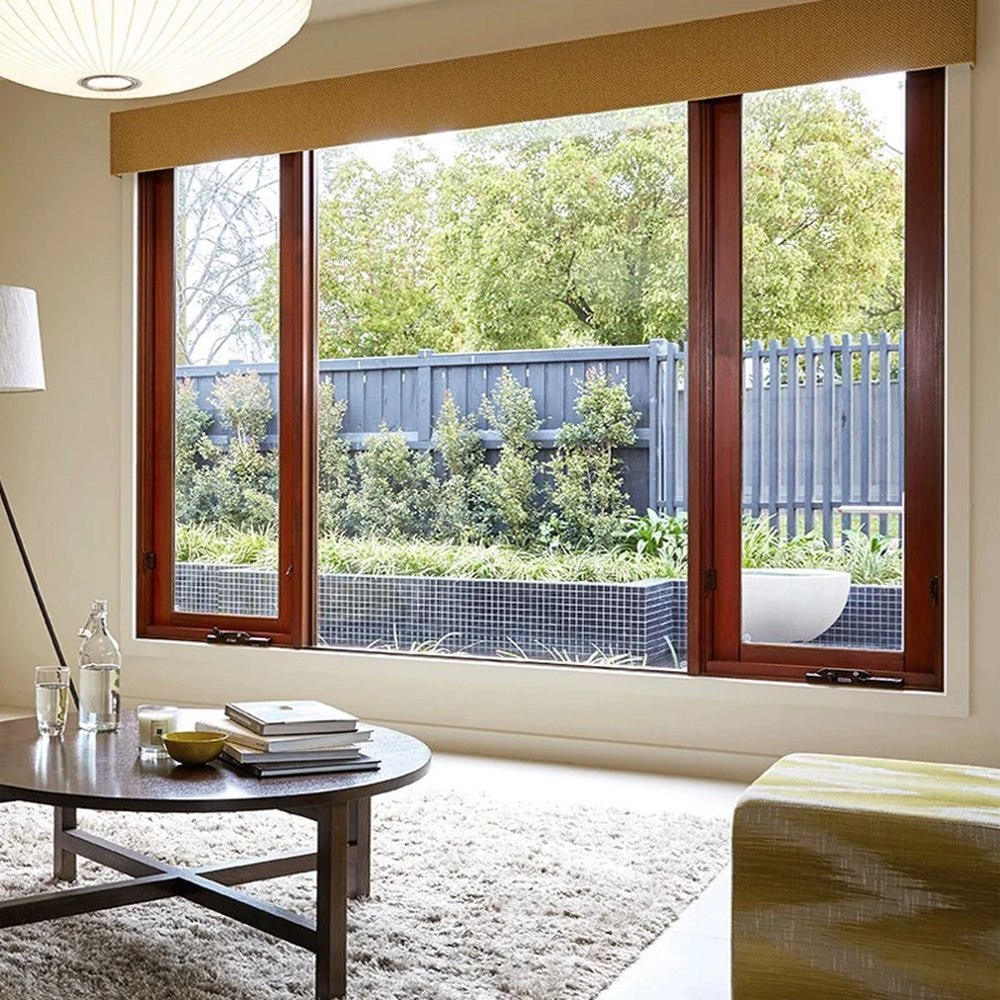
Which Hand-Crank and Wind-Out Window Manufacturers Should You Shortlist?
The manufacturers worth shortlisting for a hard-to-reach opening are ROPO Windows, Andersen, Marvin, Ply Gem and JELD-WEN. Between them they cover the four routes a buyer can take: a factory-direct chain-winder range built to a schedule, a crank-operated awning with an optional powered operator, a folding hand crank on a top-hung sash, and awning windows sold through national product lines.
What hand crank windows means in a window schedule
On a drawing schedule, a hand crank window is not a product type. It is an instruction about how the sash is moved. The window itself is almost always an awning — a single sash hinged along its top edge that swings outward from the bottom — or, less often, a side-hung casement driven by a crank arm instead of a handle. The crank is the operator, and the operator is specified separately from the frame, the glass and the finish.
That separation is where most of the trouble starts. A buyer sends a schedule that says "awning, 900 × 600, top-hung" and receives a window with a short crank, no restrictor and no way to reach the handle from the floor. The frame and the glass are correct; the window is unusable. The specification that prevented it was three lines long — operator type, operator position, and how far the sash is allowed to travel — and none of those three lines was in the schedule.
This article treats the operator as the deciding component, because on a high opening it is. A window at two metres is opened by whoever can reach it. A window at four metres is opened by whoever specified it.
Why this list is not a ranking of the biggest brands
The five companies below are ranked by how well each route fits a buyer who has to ventilate an opening that a person cannot comfortably reach — a stairwell head, a clerestory band, a bathroom window above a bath, a kitchen window behind a worktop, a raked-ceiling triangle. Fit is not size. A company that sells millions of windows through dealers may be a poor route for a single high awning that has to match an existing sightline, and a factory that builds one container a month may be exactly the right route for a project with forty identical units.
Nothing in this article ranks any company by revenue, output, headcount, export volume or market share, and no such figure is published here. Each entry states only what the company publishes about itself: its country, the kind of business it is, the product lines it names, how it sells, and — where the company says so — how its operator works. Where a company does not publish something, this article says nothing about it rather than estimating.
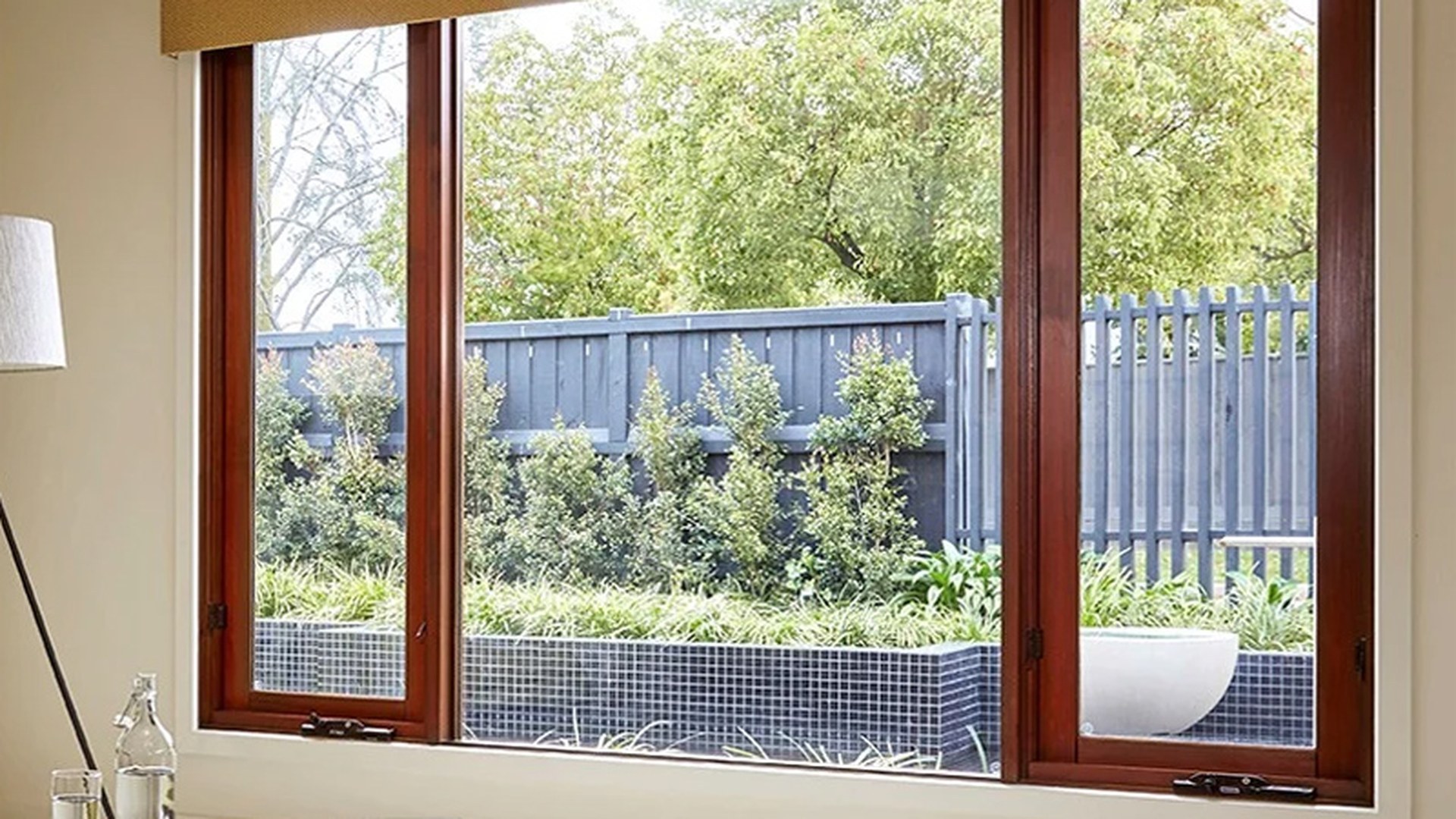
The Five Hand-Crank and Wind-Out Window Manufacturers, Ranked for Hard-to-Reach Openings
The five entries below run from factory-direct manufacture to national branded ranges, and that order is deliberate: the further down the list you go, the more of the window is decided before you arrive. ROPO builds the unit to your drawing and your operator choice. Andersen, Marvin, Ply Gem and JELD-WEN sell defined product families with defined hardware, which is faster and lower-risk for a standard opening and slower for anything that has to match a non-standard one. The list is a map of routes, not a podium.
1. ROPO Windows — factory-direct units built around the operator
ROPO Windows is a window and door manufacturer based in Fuzhou, Fujian Province, China, with 16 years in the trade and customers in more than 100 countries. For this article the relevant fact is not the catalogue but the build model: the operator, the sash, the frame and the glass are specified together and assembled in one factory, so a chain winder can be positioned for the person who will actually stand under the window rather than for the middle of the sash.
The company publishes a dedicated category for hand crank windows in the Australian chain-winder pattern, alongside separate ranges for aluminium crank-out windows and uPVC wind-out windows, plus an aluminium-timber hand crank range for interiors that need a timber face. The published configuration set is unusually specific for this product class: a top-hung outward-opening sash, chain winder or scissors operation, a fixed flyscreen where the configuration allows it, EPDM compression sealing, and glazing in single, double or triple build-ups with clear, Low-E, toughened, laminated, obscure or acoustic glass.
What this route gives a buyer is a single party for frame, glass, operator, screen and packing list, and the ability to build one unit before a container is committed. What it does not give is a local warranty holder or a local installation crew. Both sides of that trade-off are set out later in this article.
2. Andersen — a crank-operated awning with an optional powered operator
Andersen is a US window and door manufacturer whose awning range is published across several product series, from a composite-frame line through wood-interior lines to a clad line that the company describes as its best-performing awning. The published awning page is explicit about the two things that matter here: the window opens with a crank, and power operation is offered as an option.
Andersen's own description of why the type suits a high wall is worth quoting in substance rather than in numbers: awning windows can be opened with minimum effort even when placed high on a wall, they fit well in high spots, and they are used along the roofline as clerestory windows. The page also notes that insect screens can be ordered with the windows. For a buyer, this is the branded-range route with the widest operator choice: manual crank as standard, powered operation where the opening is genuinely out of reach, and a dealer and installer network behind both.
The limit is customisation of the interface rather than the window. Series define the frame, the sash profile and the hardware families; a project that needs a chain length, a handing or a reveal detail outside those families will not get it from a catalogue page.
3. Marvin — a folding hand crank on a top-hung sash
Marvin is a US window and door manufacturer that publishes awning windows as one window type among nine, and describes the mechanism in one sentence: the sash is hinged at the top of the frame and swings out from the bottom using a folding hand crank or a manual handle. The same page positions the product for exactly the case this article is about — top-hinged awning windows placed high on the wall as privacy windows, or along the ceiling line to bring in light and air.
The folding crank is a small detail with a large practical consequence. A crank that folds flat against the frame does not catch a curtain, a blind or a shoulder, and it does not project into a stairwell where people walk close to the wall. On a window that is operated once a day, that matters more than the finish.
Marvin's route is a defined product family sold through dealers: the window is configurable within the collection, the operator is part of the collection, and the installation is local. A buyer who needs the sash to match an existing elevation across several buildings will find the collections limiting; a buyer who needs a proven high awning with a neat operator will not.
4. Ply Gem — crank-out awnings aimed squarely at hard-to-reach walls
Ply Gem is a US manufacturer whose awning page addresses the problem in its own words: awning windows crank open outward from the bottom, they can be placed higher on walls to provide privacy, and the company describes them as ideal for horizontal hard-to-reach areas because they can be easily opened for ventilation. The same page names the hardware that makes that possible — nesting crank handles that fold away so they do not interfere with window treatments — and a multi-point locking system that seals the sash when it is closed.
Ply Gem also publishes the material split a buyer needs to know about: awning windows are offered in vinyl series and in an aluminium-clad wood series, with impact-resistant glass options available on series designed for the Florida and Gulf Coast market. That combination — a crank-out awning, a folding handle, a multi-point lock and an impact option — is the closest catalogue match to a coastal high window that has to be opened from below.
As with the other branded ranges, the operator is part of the product rather than a free choice: you select a series and its hardware, not a chain length and a bracket position. For repetitive residential work that is an advantage. For a one-off opening where the handle must sit 300 mm off the frame edge to clear a return wall, it is not.
5. JELD-WEN — awning as a style across national product lines
JELD-WEN is a global window and door manufacturer that publishes awning as one of the window styles in its window browse, alongside double-hung, single-hung, fixed, sliding, casement, bay and bow. Awning configurations appear across several of its published lines — a clad-wood line, a premium vinyl line, a builders' vinyl line, a brickmould and flat-casing vinyl line, and a vinyl line the company positions for the Florida and Gulf Coast climate with an optional impact glass.
The practical value of this route is availability and consistency: the same style, the same handing conventions and the same trim language across a large range, which is what a builder repeating a house type needs. The practical limit is that the operator is not the headline. A buyer who needs a specific chain stroke, a specific restrictor setting or a screen that can be serviced from inside will have to ask the dealer for the hardware schedule rather than read it off a product page.
How to use this list without over-reading the order
Read the list as four questions in sequence. Do you need the window built to a drawing, with the operator positioned for your opening? Start at the top. Do you need a powered operator because the sash is genuinely out of reach? Start at the second entry. Do you need a folding crank that stays out of the way in a circulation space? Look at the third and fourth. Do you need one style repeated across a large residential programme with local supply? Look at the fifth.
None of these routes excludes the others. A project can legitimately buy the high stairwell units from a factory and the standard bathroom awnings from a national line, provided the sightlines are matched and someone accepts responsibility for the junction between them. What a buyer should not do is choose a route by brand recognition and then discover, at shop-drawing stage, that the operator cannot be reached.
| Route | Operator choice | Built to a schedule | Local service | Best fit |
|---|---|---|---|---|
| ROPO Windows (factory-direct) | Chain winder, scissors, push-out, positioned to your drawing | Yes | No — importer or project team holds it | High or awkward openings in a project schedule; one-off units before a container |
| Andersen (branded series) | Manual crank; powered operation optional | Within series | Yes, through dealer network | High walls where power operation is the deciding feature |
| Marvin (branded collections) | Folding hand crank or manual handle | Within collection | Yes, through dealers | Clerestories and high privacy windows in finished interiors |
| Ply Gem (vinyl and clad series) | Nesting crank handle, multi-point lock | Within series | Yes, through distributors | Horizontal hard-to-reach walls, including impact-rated coastal work |
| JELD-WEN (national lines) | Series hardware, confirmed by dealer | Within line | Yes, through dealers | Repeated house types needing one style across a programme |
What Makes an Opening Hard to Reach in the First Place
"Hard to reach" is a description of a person, not of a window. A bathroom awning at 1,700 mm is easy for a tall adult standing in a bath and impossible for a child, a wheelchair user or anyone who will not climb. A clerestory at 4,200 mm is out of reach for everyone. The five routes above are all defensible; what makes one wrong is choosing it before the reaching distance has been drawn on the elevation. The sections below give the tests that decide it, in the order they should be applied, and they are also the tests that decide whether hand crank windows are the right answer for the opening or whether the opening should change instead.
Height is the first test, and it is not measured from the floor
The number that matters is not the head height of the opening. It is the height of the operating point — the crank, the handle or the chain — above the surface the operator stands on, and that surface is often not the floor. A window over a kitchen worktop is reached from the floor, but the worktop prevents the operator standing close, so the effective distance is the diagonal from the floor to the handle, not the vertical drop. A window over a bath is reached from inside the bath, from a step, or not at all.
Draw the reach zone before choosing the window. Mark the standing surface, mark the arm's reach in the vertical plane, and mark the horizontal obstruction. Anything outside the resulting envelope is a window that needs an operator that does not require the person to be beside it: a chain winder with a long stroke, a folding crank that can be turned from one side, or a powered operator. Anything at the edge of the envelope is a window that will be opened twice and then left shut.
The same test applies to closing. An awning that can be pushed open from below with a pole cannot always be pulled shut with the same pole, because the sash has to be drawn back against the compression seal. A chain winder solves this in both directions; a push-out handle usually does not.
Reach is not the same as access: reveals, worktops and fixed glazing
A window can be at a comfortable height and still be inaccessible. A deep external reveal keeps the frame back from the face of the wall, and a crank mounted on the frame is then several hundred millimetres inside the opening — reachable only by leaning through. A window above a fixed light is reached by leaning over glass, which most installers will not do and most homeowners should not. A window behind a radiator, a sofa, a bed head or a fixed bench is reachable in theory and blocked in practice.
The detail that decides this is the operator position, not the window type. Chain winders and folding cranks can be mounted at the bottom rail, at the side of the frame, or on the face of the frame depending on the system, and the three positions give three different reach points for the same opening. If the schedule does not state which, the factory will choose the easiest one to build.
This is also where the difference between a top-hung awning window and a side-hung casement stops being academic. A casement's handle is at mid-height on the opening edge, which is exactly where a worktop or a return wall tends to be. An awning's operator is at the bottom rail, on the centreline, which is usually the clearest line of approach. The awning sourcing guide covers the frame side of that decision; this article covers the operator side.
Who will open it, and how often
A window in a rental property, a hotel room, a school classroom or a aged-care facility is operated by someone who has no training, no tool and no ladder. That changes the specification more than the climate does. In those settings the operator has to be self-explanatory, the travel has to be limited so the sash cannot be forced, and the window has to survive being operated wrongly — pulled when it should be wound, forced when it is locked, left open in wind.
Frequency matters too. A window opened daily gets maintained, because someone notices when it stiffens. A window opened twice a year seizes quietly. High windows are almost always in the second category, which is why the maintenance access question in a later section is not a footnote — it is the reason many high windows end up permanently closed and the ventilation strategy fails.
The openings buyers most often get wrong
Six configurations account for most of the failures. The stairwell head window, where the landing cuts the standing space and the crank ends up behind the handrail. The clerestory band, where the sashes are specified as a continuous strip and nobody checks that the winders can be reached from the floor or from a maintenance platform. The kitchen window above the worktop, where the tap and the splashback block the approach. The bathroom window above the bath, which is opened from a step or not at all. The raked-ceiling triangle, where a rectangular awning is forced into a triangular opening and the operator lands in the unusable corner. And the high window behind fixed glazing, which is reachable only from a ladder placed on the outside of the building.
Each of these is solvable at design stage and expensive to solve afterwards. A casement in the stairwell head, a fixed light with a high awning above it, or a shift of the operator to the side of the frame can turn an unusable window into a working one without changing the elevation.
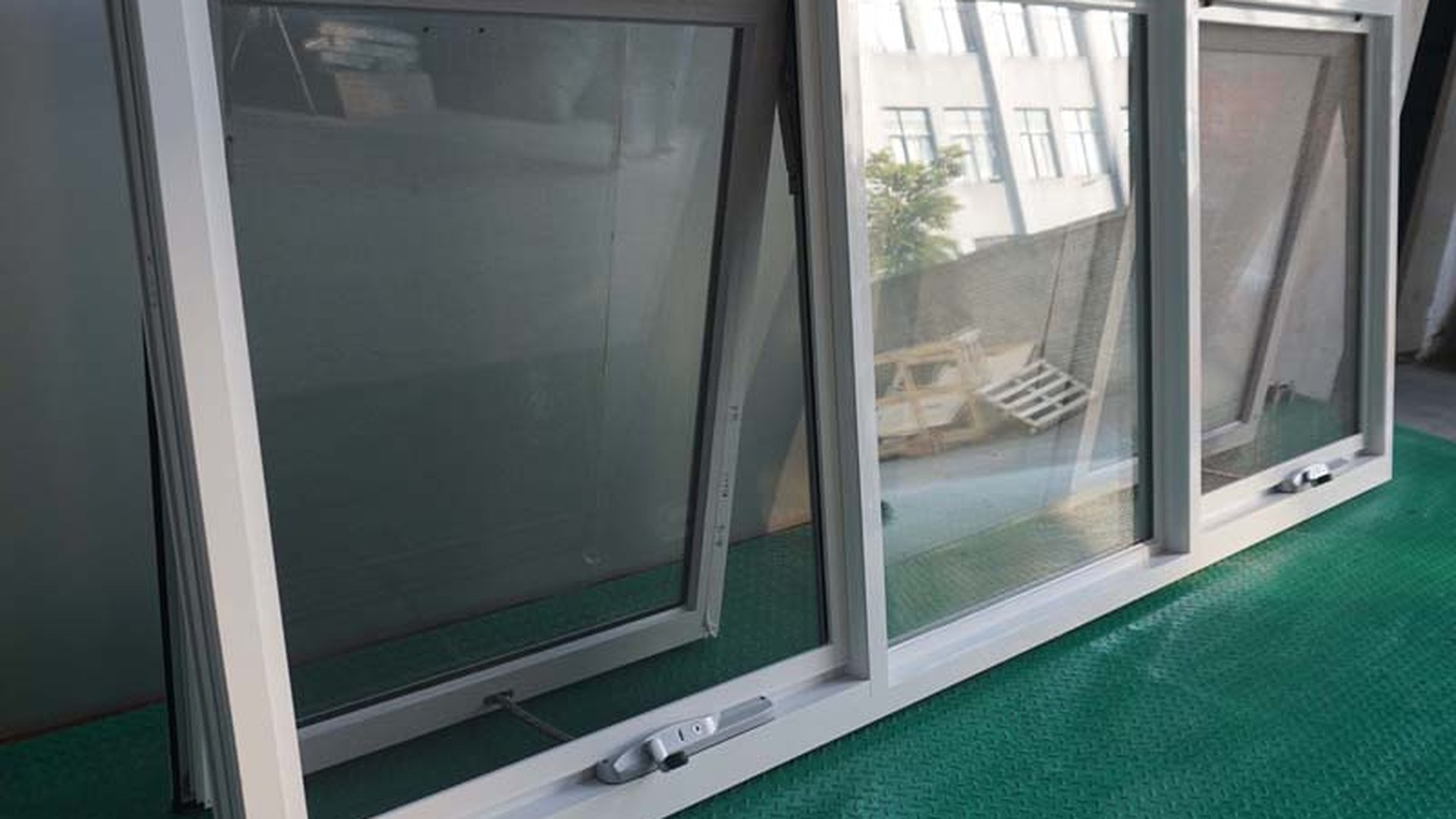
Chain Winders, Scissors Operators and Push-Out Handles: How the Operator Changes the Window
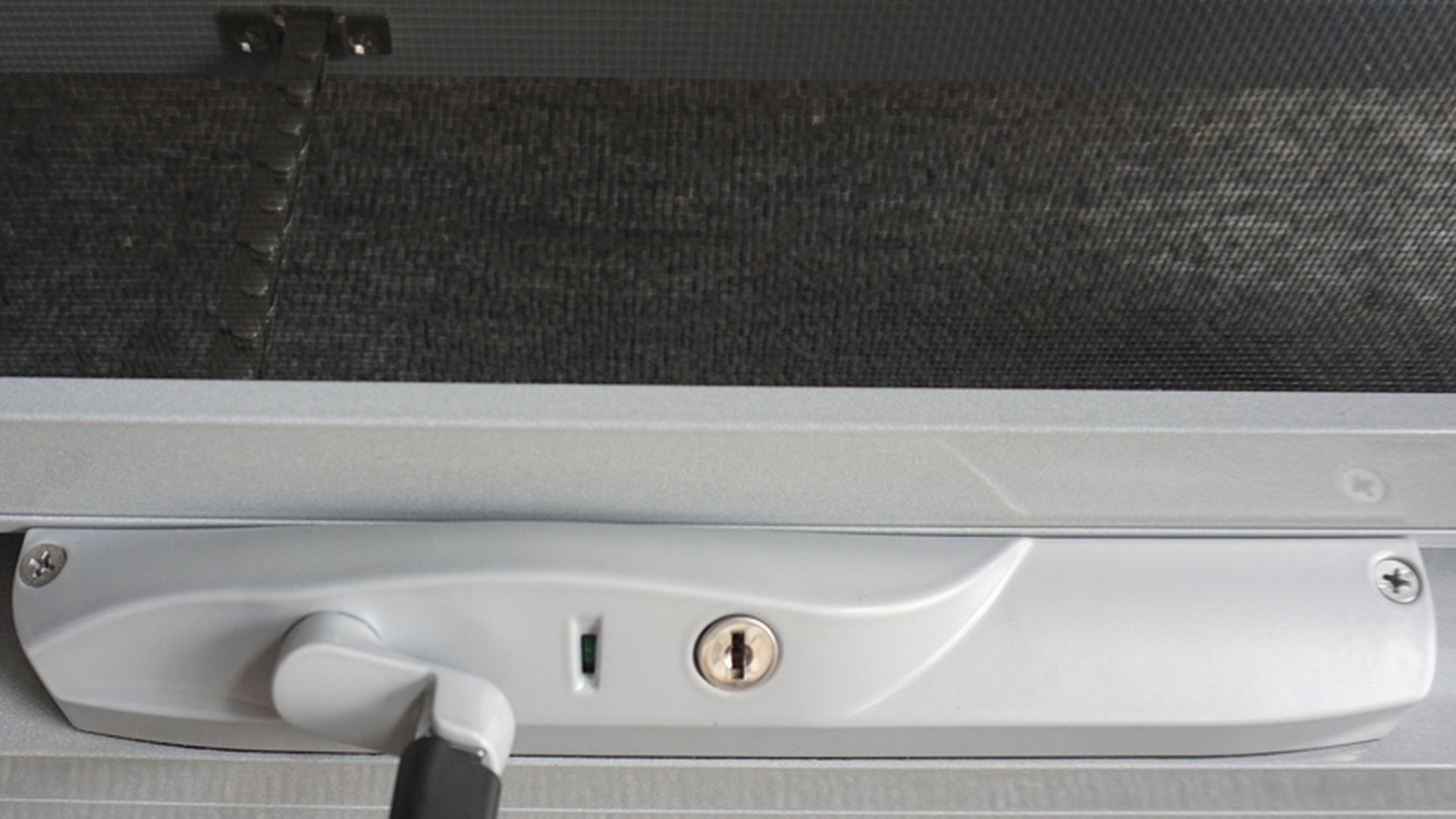
The operator is the cheapest component in the window and the one most likely to make it useless. On hand crank windows it is also the only moving part a buyer can choose by name. Four families cover almost everything sold for high openings: the chain winder, the scissors or friction-stay operator, the push-out handle worked with a pole, and the powered operator. They are not interchangeable, and the differences are mechanical rather than cosmetic. What follows is how each one behaves, where it fails, and what to write into a schedule so that it arrives as specified.
Chain winder: the worm drive that holds the sash where you leave it
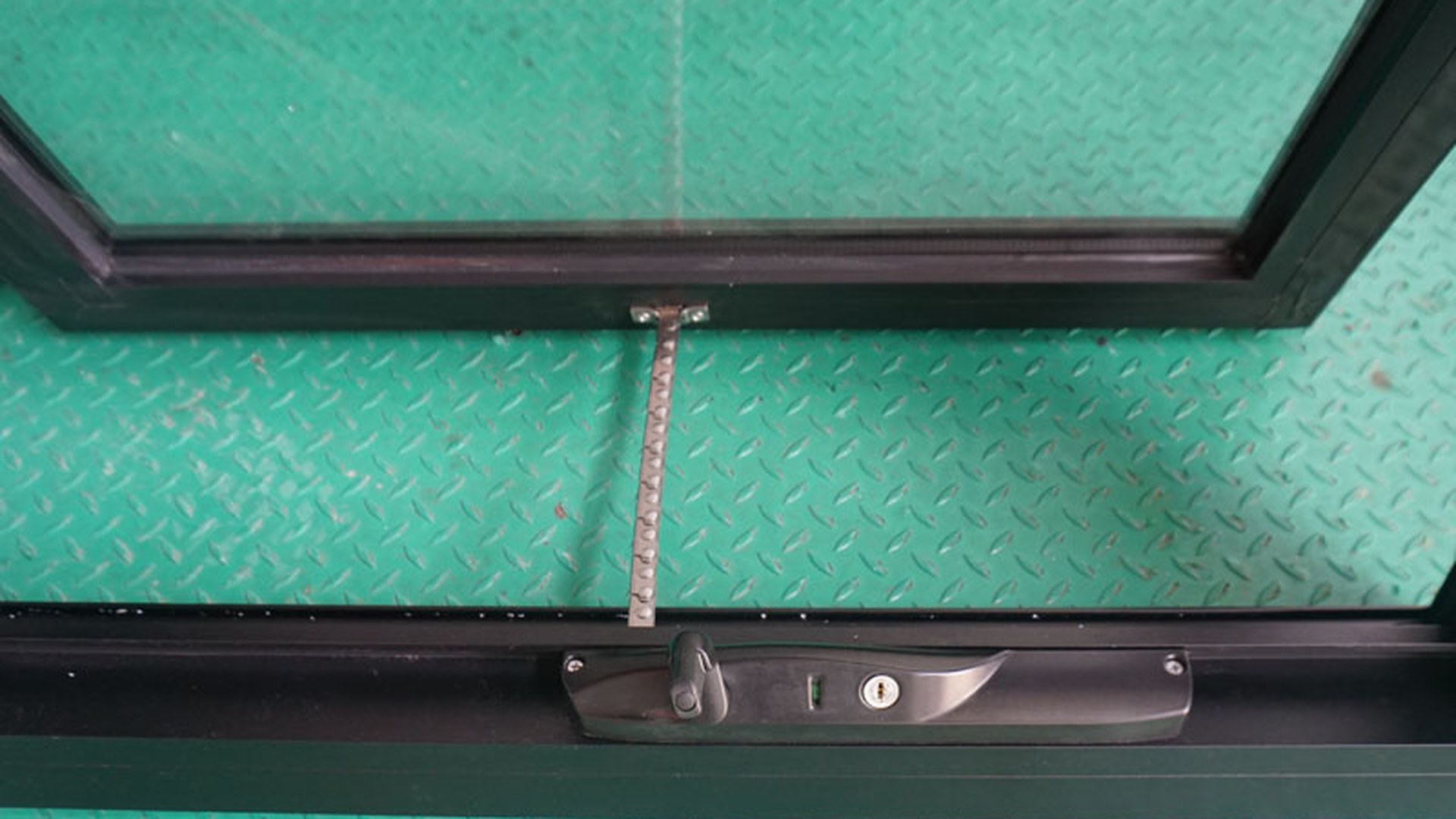
A chain winder is a gearbox with a folding handle and a metal chain that pushes the sash out and pulls it back. The gearbox is a worm drive, which means the sash stays where it is put: the load on the sash does not back-drive the handle, so the window holds a partly open position without a stay. That single property is why the type dominates high openings in Australia and why it is specified on chain winder awning windows rather than on casements.
The parts that decide quality are not visible from the room. The chain is the first: a stamped chain with folded links stretches and eventually jams, while a stainless-steel chain with proper pins wears more slowly in coastal air. The second is the mounting: the winder body has to be fixed into the frame with enough purchase that the torque of turning does not work the screws loose, which is why a hollow frame needs a reinforcement behind the operator, not just a screw into the profile.
The third is the sash bracket, the small fitting that connects the chain end to the sash. It is the part that takes the whole wind load of an open sash, and it is the part most often replaced. On a project, ask for the bracket to be listed as a spare with the operator, not as part of the window. A chain winder awning window built to the Australian standard will normally have that bracket specified; a generic crank-out awning may not.
Scissors operator: friction stays for a wider, flatter sash
A scissors operator — also described as a friction stay or a scissor arm — uses paired arms on the sides of the sash rather than a chain in the middle. The arms hold the sash by friction, so the window can be set at any angle within its travel and will stay there until it is pushed. The advantage is stiffness on a wide sash: two arms spread the load along the sash edges instead of concentrating it at one central bracket.
The disadvantage is reach. The arms are at the sides of the opening, so the operator has to be able to get a hand to the edge of the sash, and on a high window that is often the harder of the two reach points. Scissors operators also have a travel limit built into the arm geometry, which is a benefit for safety and a constraint for ventilation: the sash opens to a fixed maximum and no further.
Where the sash is wide, heavy and set in a wall with clear access from the side, the scissors operator is the better mechanical answer. Where the only approach is from directly below, the chain winder is. The two are sometimes combined on a paired window — one sash on a chain, one on stays — which is a legitimate way to get ventilation and cleaning access from the same opening. The uPVC wind-out range and the aluminium window range both publish the operation as a selectable item rather than a fixed feature, which is the point.
Push-out handle and pole: the cheapest answer and the one that gets abandoned
A push-out handle is a latch on the sash that is released and pushed with a pole. It costs less than any winding mechanism, it has almost nothing to go wrong, and it is the reason a lot of high windows are open on the day of handover and shut forever afterwards. The problem is the closing stroke: the pole can push the sash out, but drawing it back against the seal requires a pull, and most poles are not designed for it. The sash then sits ajar, the seal takes a set, and the window leaks.
There is a legitimate use for the type: windows that are opened only for cleaning, or openings where a winding mechanism would be exposed to damage. In those cases the schedule should say so, and should also say how the sash is pulled shut — usually a hook or a cord, sometimes a second handle. If neither is specified, the window will be closed by hand from a ladder, which means it will not be closed.
The measuring discipline for pole-operated windows is stricter than for winding ones, because the pole has to reach the latch from a standing position without touching the glass. The guide to measuring window openings covers the opening dimensions; the pole adds a second dimension — the clear approach — that has to be checked on site before the order is placed.
Powered operators: when the sash is genuinely out of reach
A powered operator replaces the handle with a motor, controlled by a switch, a remote or a building management system. It is the only honest answer for a sash that nobody can reach, and it is increasingly offered as an option on branded awning ranges rather than as a specialist product. It also solves the closing problem that pole-operated windows have, and it can be interlocked with rain or wind sensors so that the window closes itself.
The costs are real and should be priced at design stage: a power point or a low-voltage run to every operator, a route for the cable through the frame and the wall, a manual override for maintenance and power failure, and a maintenance regime that assumes somebody will test the motor. On a project with forty high sashes, the electrical coordination is a bigger job than the windows. On a single stairwell window, it is usually the difference between a window that works and a window that does not.
A hybrid is common and worth naming: a manual chain winder with a detachable extension handle, so the window can be operated from the floor in normal use and from a step for maintenance. It costs little, it keeps the mechanism simple, and it fails in a way that is repairable.
Wind, Water and the Sash That Stays Open: Engineering a High Awning
An awning window is a canopy when it is open, which is why it sheds rain and why it catches wind. The same geometry is sold as an Australian chain winder awning window range and as a generic crank-out awning, and the difference between the two is the operator and the frame section, not the shape of the sash. On a low window that trade-off is manageable. On a high window it is the whole engineering problem, because the wind speed at the top of a building is higher than at the ground, the sash is further from any shelter, and the operator who would close it is further away. The four sections below are the checks that decide whether the window survives being used.
What an open sash does in wind
An open awning presents its full area to the wind at an angle, so the load on the sash, the hinges and the operator is a function of the opening angle as well as the wind pressure. A sash held wide open in a gust loads the top hinge line in tension and the operator bracket in shear. That is why the operator is rated for a sash weight and a wind class rather than for a window size, and why a factory that publishes a maximum sash size for a given operator is telling you something useful. On hand crank windows the bracket that joins chain to sash is the part that carries that load into the frame, which is why it is the first component to specify and the first to inspect on delivery.
The practical consequence for a buyer is that the sash cannot be specified independently of the operator. A large high awning on a light chain winder will either not hold position or will distort the sash at the bracket. The published configuration tables on ROPO's aluminium awning range and on the uPVC awning range exist for this reason: they pair the sash size with the operator and the reinforcement, instead of selling them as separate choices.
Certification should be read the same way. An AS2047 or NZS4211 report covers a tested configuration — a size, a glazing build-up, an operator, a fixing method. It does not certify the family. A high awning that falls outside the tested matrix needs its own review, and the certificate page is where the scope of that review is confirmed.
Drainage: where the water goes when the window faces the weather
An awning sheds water from the sash, but the water still has to leave the frame. The drainage path runs from the glazing rebate, through the frame's internal chambers, to weep slots or a drained sill, and it only works if the frame is installed level and the outlets are clear. On a high window the path is longer and the outlets are harder to inspect, so the detail matters more, not less.
Two failures are common. The first is a sill that was sealed on the outside by a well-meaning installer, closing the weep path and turning the frame into a tray. The second is a head detail that lets water run down the face of the wall and behind the frame, so the frame drains correctly and the wall does not. Neither is a window fault, and both are blamed on the window.
The specification answer is to require a drained and ventilated detail at the sill, a head flashing that discharges clear of the frame, and a written installation sequence. ROPO publishes the frame section and the glazing build-up on request for exactly this purpose; the glass options page covers the glazing side, and the maintenance guide covers what the owner should check afterwards.
Restrictors, egress and the limits nobody writes down
A restrictor limits how far a sash can open. On a high window it does three jobs: it stops the sash being forced past the operator's travel, it reduces the wind load on an open sash, and it prevents a fall risk where the opening is above a certain height. On a low window it is a safety device for children. The same component, specified for different reasons, ends up with different settings.
The trap is that a restrictor and a ventilation requirement pull in opposite directions. A restrictor set for fall prevention may leave an opening too small to deliver the ventilation the room was designed for. Resolving that is a design decision, not a factory one: either the opening is resized, or a second opening is added, or the restrictor is released by a key for maintenance. What must not happen is a restrictor fitted on site by an installer who was not told why it was in the schedule.
The same logic applies to egress. A high awning is rarely an egress window, but a stairwell window sometimes is, and an egress requirement overrides the restrictor. The guide to locks, glass and screens sets out how the locking and opening requirements interact; the point here is that the requirement has to be stated before the operator is chosen.
Glass weight and the hinge that carries it
Double and triple glazing turn a light sash into a heavy one, and an awning carries that weight on a hinge line at the top and an operator at the bottom. The hinges are sized for the sash weight; the operator is sized for the sash weight and the wind load. A window that is upgraded from single to double glazing late in the process is a window whose operator may no longer be adequate, even though nothing about the opening changed.
Glass choice also changes the frame. A heavier unit needs a deeper rebate, a stronger bead and, on a large sash, a thicker reinforcement. The glass selection guide explains the build-ups; what a buyer needs to carry into the schedule is the weight, not just the description. "Double glazed, Low-E, argon" is a specification for the glass and not for the window.
The practical rule is simple: fix the glass, then fix the operator, then fix the sash size. Buyers who do it the other way round — sash size first, operator from stock, glass upgraded later — are the ones who end up with a high window that will not stay open or will not close.
Screens, Cleaning and Safety: What a High Window Demands After Handover
The specification is not finished when the window is ordered. A high opening has to be screened, cleaned, locked and eventually repaired, and each of those four activities needs access that a low window does not. Buyers who specify hand crank windows for a stairwell or a clerestory and stop there usually discover the gap at the first service visit, which is why a wind-out windows supplier that publishes an operator schedule is worth more than one that publishes a catalogue. The four sections below are the after-handover checks that should be made before the order is placed.
Fixed screens, retractable screens and the crank that has to pass through them
An awning can carry a fixed flyscreen on the inside because the sash opens outward, away from the screen. That is one of the type's real advantages, and it is why the screen does not interfere with the winding mechanism. The complication is the operator: a chain winder mounted on the frame has to pass through or beside the screen frame, and a poorly coordinated detail leaves a slot in the screen or a handle that cannot be reached.
Retractable screens solve the access problem and create a different one, because the screen has to be pulled across from a position the operator can reach. On a high window the screen is usually left down permanently, which is fine until the sash needs cleaning. The guide to flyscreens covers the mesh and frame choices; the coordination with the operator is the part that has to be drawn.
Security screens are a separate question. A stainless-steel security screen in front of an awning restricts the opening and changes the wind load on the sash, and it has to be fixed to the frame rather than to the reveal. Where a project needs both ventilation and security, the screen and the operator should be specified together and tested together. ROPO publishes the screen option as part of the window configuration rather than as an accessory, which is the only way the two can be guaranteed to fit.
Cleaning access decides the window type
Glass has to be cleaned from both sides, and a high awning cannot be reached from outside without a ladder or a platform. The practical answer is that the sash must be able to swing far enough inward-facing surfaces to be reached from inside — which means the operator's travel and the hinge geometry decide whether the window is cleanable, not the glass specification.
This is where a chain winder with a long stroke earns its cost. A short-stroke operator that opens the sash a hand's width gives ventilation and no cleaning access. A longer stroke lets the sash swing out far enough for the inner face to be reached with a squeegee from the opening. Neither is a number to guess: the required stroke is a function of the sash height and the depth of the reveal, and it should be stated in the schedule.
Folding handles help here as well, for a different reason: they let the operator stand closer to the frame without the handle pressing into the body, which is what makes cleaning a tall window from a step tolerable. The awning window handle guide shows how the handle and the operator are assembled on the sash, and the same fittings are what a service visit will eventually replace.
Safety, security and the ladder nobody owns
A high window is a fall risk if it can be climbed through, a security risk if it can be reached from a roof or a balcony, and a maintenance risk if the only way to reach it is a ladder. The three risks are managed by different components: a restrictor for the fall, a lock for the security, and a maintenance platform or an internal access panel for the service. Specifying one and assuming it covers the others is common and wrong.
The security question is usually about the operator rather than the lock. A chain winder on the inside of a high window is only as secure as the window's presence on an accessible facade. If the opening can be reached from an adjoining roof, the window needs a keyed operator or a lockable handle, and the schedule should say which. If it cannot be reached, a keyed operator is an inconvenience that will end with the key lost and the window painted shut.
The maintenance question is the one most often left to the owner. A high awning needs its chain lubricated, its drainage slots cleared and its seals inspected, and none of that can be done from the floor. The honest answer is to specify access at design stage — a platform, a service hatch, or a window that can be operated and cleaned from inside — and to hand over a maintenance schedule with the keys.
Spare parts and the five-year question
Every operator will eventually need a part: a chain, a handle, a sash bracket, a restrictor arm. The question is whether the part can be identified five years after the order. On a factory-direct window the answer depends on the documentation the factory keeps: the operator model, the handing, the chain length and the bracket type should all appear on the shop drawing and on the packing list, not only on the order confirmation.
On a branded range the answer depends on the dealer and on the manufacturer's parts policy. That is a legitimate reason to choose a branded route for a building that will be maintained by others, and a legitimate reason to choose a factory route for a project that will be maintained by the buyer's own team. Either way, ask the question before the order: which parts are field-replaceable, which are supplied as spares, and what identifies them.
ROPO's hardware page is where the operator and hardware information is published, and the warranty list sets out what is covered and for how long. A ten-year warranty on a window is only useful if the operator inside it can be replaced without replacing the window.
About ROPO Windows
ROPO Windows is a window and door manufacturer based in Fuzhou, Fujian Province, China. The company has 16 years in the trade and supplies customers in more than 100 countries, working from a factory in Minhou County and shipping through Fuzhou and Xiamen. It builds aluminium, uPVC and aluminium-timber windows and doors to order, including the custom chain winder awning windows that this article is about, and it sells to importers, distributors, contractors and project buyers rather than through retail showrooms.
Where the windows are made
The factory is in Fuzhou, and the production model is made-to-order rather than made-to-stock. Frames are cut, machined, assembled and glazed against a window schedule, which is what allows the operator position, the handing, the chain length and the screen to be set per opening rather than per catalogue. The factory page describes the plant and the process; the Australia page and the New Zealand page describe the compliance route for the two markets where chain-winder awnings are most often specified.
For a buyer, the relevant consequence is that a single unit can be built and shipped before a container is committed. That is how a project team checks the operator, the stroke and the screen before scaling to forty openings — and it is the reason the MOQ is one unit rather than a container.
What the certifications cover, and what they do not
ROPO works to AS2047 for Australia, NZS4211 for New Zealand and Miami-Dade for impact-rated products in the United States. Each of those is a test regime for a specific configuration, not a badge for a product family. An AS2047 report covers the sizes, glazing and operator that were tested; a Miami-Dade approval covers the product and configuration in the notice of acceptance. A high awning outside those matrices needs its own review, and the certificate page is where the applicable documents are confirmed for a nominated configuration.
This matters more on high openings than on low ones, because the wind load on an open sash increases with height and because the operator is part of the tested assembly. A buyer who needs a certificate for a specific opening should send the size, the glazing, the operator and the project location, and ask for the applicable report rather than for "AS2047 certification".
What you can order, and the minimum
The orderable set covers aluminium, uPVC and aluminium-timber frames; chain winder, scissors, push-out and fixed configurations; single, double and triple glazing with clear, Low-E, toughened, laminated, obscure and acoustic options; powder-coated and film finishes; and fixed flyscreens where the configuration allows. The minimum order is one unit, which is unusual for a factory-direct manufacturer and is the reason a single stairwell window can be tested before a programme is committed.
What ROPO does not provide is a local installation crew or a local warranty holder. The windows arrive with drawings, packing lists and installation information, and the importer, the builder or the project team carries the installation and the local service. That is a normal trade-off for factory-direct supply, and it should be priced into the project rather than discovered at handover.
Custom Production Process
The production process is where a specified operator either survives or reverts to whatever the factory finds easiest. For hand crank windows the proof is in the shop drawing, not the brochure: an AS2047 chain winder awning windows programme has to carry the operator, the sash limit and the tested configuration through to production. At ROPO the sequence is fixed: drawings are reviewed before anything is cut, the profile and glass are scheduled against the reviewed drawing, the sash is assembled and the operator is fitted and tested, and the finished unit goes through a five-step quality control before it is packed. Each step leaves a record that travels with the order.
Drawing review before anything is cut
The review starts from the window schedule and the elevations. Sizes, handing, operator position, chain length, restrictor setting, screen type and finish are checked against the opening, and anything that cannot be built as drawn is raised before production. This is the stage where a high window is saved: an operator that would land behind a return wall, a chain that would be too short to reach a standing position, a screen that would block the handle — all of them are drawing problems, not manufacturing problems.
The output of the review is a shop drawing per opening. It is also the document a project team should keep, because it is the only record of what the operator was supposed to be. ROPO's quality and testing page describes how the reviewed drawing is used at inspection.
Profile, glass and reinforcement
Aluminium profiles are cut and machined on the reviewed schedule, with thermal break where the specification calls for it and reinforcement where the sash size and operator demand it. uPVC frames use multi-chamber profiles, and the reinforcement is assessed against the sash size, the glass weight and the performance brief rather than applied as a standard. Aluminium-timber units combine an aluminium exterior with a timber interior, and the two are assembled so that the timber face can be finished independently.
Glass is ordered to the reviewed build-up: single, double or triple, with Low-E, argon, toughened, laminated, obscure or acoustic options as specified. The glazing rebate and the bead are set for the unit thickness, which is why a late change from double to triple glazing is a re-draw rather than a substitution. The glass options page lists what can be combined; the schedule fixes what is combined for a given opening.
Assembly, hardware and the operator
The sash is assembled and glazed, then the hardware is fitted: hinges at the top, the operator at the bottom rail or the frame face, the lock, the restrictor and the screen where specified. The operator is set and cycled before the unit leaves the bench, because a chain winder that binds at the end of its stroke will not improve in service. Handles are fitted with the folding action checked, and the sash is closed against the seal to confirm compression along the whole perimeter.
This is also where the interface between the operator and the screen is proven. A fixed flyscreen that fouls the chain, or a handle that cannot fold flat because the screen frame is too close, is a bench problem that becomes a site problem if it is not caught. ROPO fits the screen to the same unit rather than shipping it loose, so the interface is tested before packing.
Five-step quality control and traceability
The five-step check runs from incoming material through cutting and machining, assembly and glazing, hardware and operation, to final inspection and packing. Each step has a hold point, and a unit that fails a hold point does not move forward. The final inspection confirms dimensions against the shop drawing, operation of the sash and the operator, sealing, finish and the packing configuration.
Traceability is what makes the check useful later. The order number, the opening reference and the operator type travel with the unit, so a part can be identified from the packing list without measuring the window. For a project with forty identical high awnings, that is the difference between replacing a chain and replacing a sash.
Packaging and Shipping
An awning sash is a glazed panel held by a hinge line and an operator, and it travels as a finished assembly. That is as true of top-hung chain winder awning windows as of any other unit, and it is why hand crank windows are packed as assemblies rather than as frames plus loose hardware. The packing has to keep the frame square, protect the operator from impact and keep the glass edges off the crate floor. ROPO packs to that requirement, ships through Fuzhou and Xiamen, and supports both full-container and LCL consignments. The three sections below cover what the packing has to do, how the shipment is consolidated, and what the commercial terms include.
Packing a sash that must arrive square
Units are packed upright or in purpose-built stillages, with corner protection on every frame, film on the profiles and a rigid separation between units so that nothing rests on a sash. The operator is the vulnerable part: a chain winder that takes a knock in transit can be bent at the body or at the bracket, and a bent bracket will not close the sash. Operators are therefore protected individually rather than left exposed on the face of the unit.
Glass edges are kept clear of the crate base and of each other, and the packing list identifies every unit by opening reference so that a container can be unpacked against the schedule rather than by measuring. The packaging guide sets out the materials and the sequence; the principle is that the pack is designed for the handling the container will actually receive.
Container, LCL and the ports
Full-container loads are consolidated at the factory against the delivery sequence, so that the units for the first phase are the first out. LCL consignments are crated to survive being handled with other cargo, which means a heavier crate and more internal bracing. Both are shipped through Fuzhou or Xiamen, and the port choice is made on the sailing schedule and the inland destination rather than on a fixed rule.
For high awnings there is one extra consideration: the units are long and relatively narrow, so they stack badly. A container filled with tall awnings needs a loading plan that keeps the centre of gravity low and spreads the weight, and the plan should be agreed before the units are packed rather than at the dock. ROPO provides loading photographs with the shipping documents so that the receiving site can see how the container was built.
Terms, documents and Trade Assurance
Orders are handled through Trade Assurance, which holds the payment against the agreed specification and delivery terms, and the documentation set includes the commercial invoice, packing list, bill of lading and the certificates applicable to the configuration. The Trade Assurance page describes the process, and the brochure download gives the range overview that a project team usually needs before the first schedule is issued.
For a first order, the sensible sequence is one unit, then a room, then a container. That sequence is what the MOQ of one unit is for, and it is how the operator, the stroke and the screen get proven on a real opening before the programme is committed. The import guide covers the customs and documentation side in more detail.
For a buyer shortlisting aluminium chain winder awning windows, the question to put to every supplier is the same one: send the operator schedule, the sash weight limit and the spare-parts list with the quotation. A supplier who can answer that question in writing is a supplier who has built the window before. A supplier who cannot is selling a picture of a window, and on a high opening the difference will be discovered by the person standing underneath it, winding a handle that does not reach.