Top 5 Window Suppliers for Caribbean Projects with Salt Air and Hurricane Ratings
- Share
- publisher
- ROPO Windows
- Issue Time
- Nov 17,2026
Summary
Caribbean projects punish the wrong supplier twice, with salt air and with a sea crossing that makes every defect costly. Compare five supply routes.
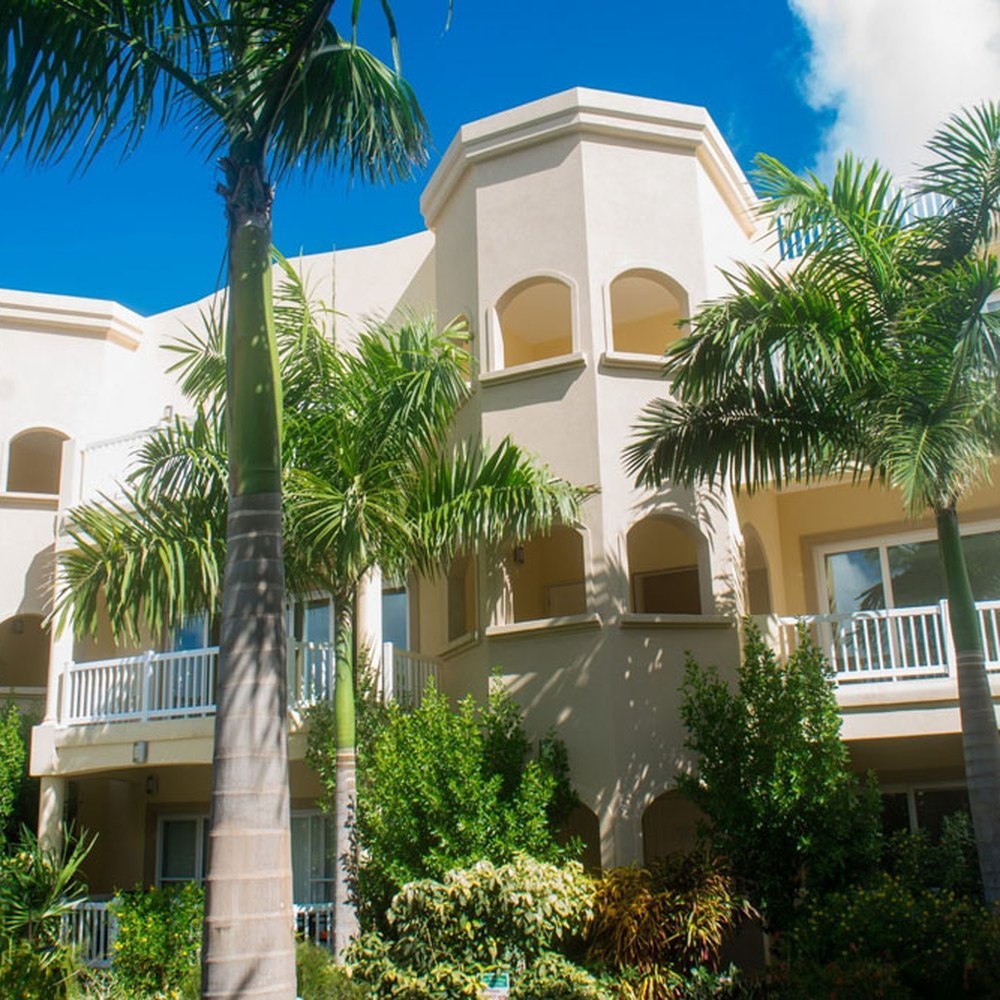
Which Window Suppliers Are Worth Shortlisting for Caribbean Projects?
For Caribbean projects the suppliers to shortlist are ROPO Windows, Triangle Exports, Caribbean Impact Windows & Doors, Super Impact Windows & Doors 365 and Hurricane Impact Window. Each covers a different route: a factory building to your schedule, a Miami consolidator, an export wholesaler, a stock warehouse selling standard sizes, and a Florida dealer that ships export.
What this shortlist is ranked on
The ranking is by fit for a Caribbean project, not by size, revenue or brand recognition. Four things decide that fit. Whether the company publishes an approval path a building department or insurer will accept. Whether it publishes a finish and a hardware grade that survive chloride rather than simply resist rain. Whether it controls packing, because a unit that arrives with a broken laminated pane costs a second sea freight to replace. And whether someone is still accountable after the container is cleared and the crates are open on site.
Order in this list is not a quality score. A buyer refurbishing one villa in Grand Cayman and a distributor stocking three islands need different suppliers from the same five names, and the sections further down say which is which.
Why the islands are a different purchase from a mainland one
A window bought in Florida and a window bought for Nassau can be the same extrusion, the same glass build-up and the same hardware, and still be a completely different commercial transaction. On the mainland, a defect is a van and a week. On an island, a defect is a crating company, a customs broker, a shipping line and a second set of port charges, and the building sits open while it happens. The supplier who understands that is not necessarily the cheapest one on the quotation, and the difference rarely shows up in a price comparison.
There is a second difference that buyers underestimate. Island building departments and insurers increasingly ask for the same documentation a Florida permit asks for — a notice of acceptance, a large-missile impact test report, a product approval number — even where the local code is written differently. A supplier who can only send a brochure with the word "hurricane" on it stalls the project at the first inspection. That is why the approval question comes before the price question in every section below.
What this article leaves to other guides
This is a supplier article, and it stops where the technical specification begins. The mechanics of a Miami-Dade notice of acceptance, the difference between laminated and tempered panes, salt-spray classes and the documents a customs broker needs are already set out in the Caribbean and coastal US sourcing guide. How each opening type ventilates a hot room is covered in the natural ventilation guide for Caribbean homes. What remains, and what this article is for, is the commercial question a project manager actually has to answer: who do we buy from, and what does that choice commit us to.
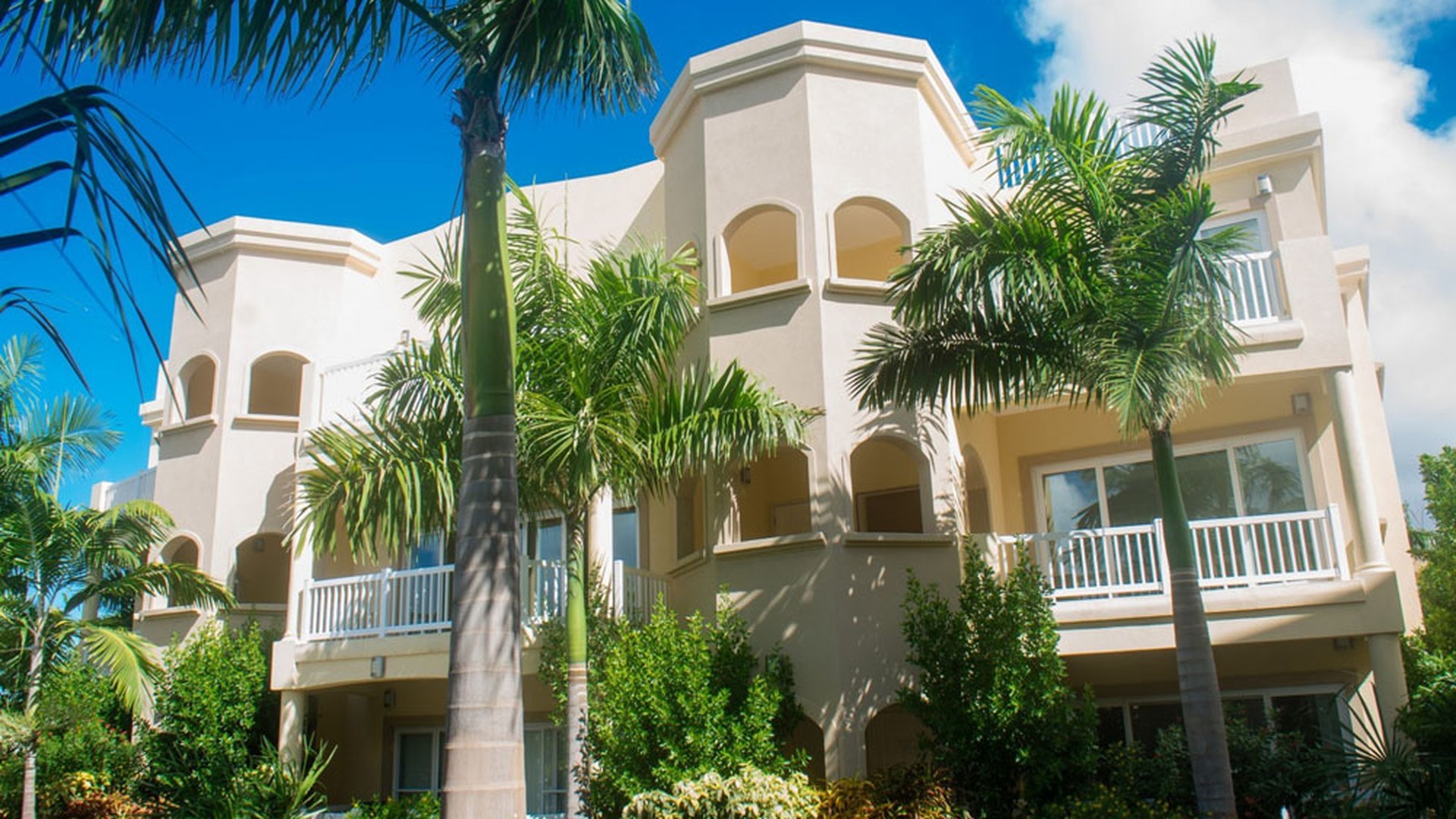
What Salt Air and Hurricane Ratings Ask of a Supplier
Salt air and hurricane ratings are two separate tests, and a supplier can be strong on one and weak on the other. The rating is a documented impact and pressure performance proved in a laboratory and traceable to an approval number. The salt is a slow chemical attack on finish, sealant and hardware that shows up eighteen months after handover, in a building that passed every inspection. A shortlist of Caribbean window suppliers has to screen for both, and for the shipping that connects them.
The impact rating is a document, not an adjective
Every supplier in this article will describe its products as hurricane rated, and the phrase means nothing on its own. What a building department, an insurer or a consulting engineer can actually use is a specific document: a Miami-Dade County notice of acceptance with a number, a Florida product approval, or a test report citing large-missile impact and cyclic pressure results. A supplier who can produce that document for the exact product family being quoted — not for a different series in the same catalogue — is a different kind of supplier from one who cannot.
This is not a technicality. A notice of acceptance is written around a specific assembly: a frame profile, a glass make-up, a sash size and a fixing method. Change the glass from a laminated unit to a monolithic one and the approval may no longer describe what is being installed. A useful question at quotation stage is therefore not "is it approved" but "send the approval that covers this exact build-up at this size". The difference between those two questions is where most island projects lose weeks.
Salt air attacks the finish and the hardware, not the glass
Glass is chemically inert and does not corrode. What fails on a beachfront elevation is everything holding it. Powder coating on aluminium chalk and lift at cut edges if the pretreatment is thin; stainless steel that is not a genuine marine grade develops tea staining on the hinges within a season; unsealed screw heads bleed rust down a white frame; and a sealant chosen for a temperate climate hardens, shrinks and lets the driving rain in behind it. None of these failures is visible in a photograph taken at the factory.
The practical screen is to ask for the coating system and the hardware grade in writing, and then to compare that answer against the exposure. A PVDF coating, an anodised finish, a lead-free UV-stabilised uPVC profile, stainless fixings and a hardware brand the buyer can look up independently are all verifiable statements. "Corrosion resistant" on its own is not. The same logic applies to the frames themselves: uPVC has no metal to corrode but still has to be stabilised against ultraviolet, and aluminium has to be coated properly rather than merely painted.
Wind-driven rain is a water test, not a wind test
Impact testing proves that a pane survives a flying object. It says much less about whether the assembly keeps water out when a storm pushes rain horizontally for six hours. Water performance is a separate rating, and on island projects it is the one that produces the callbacks: staining on the reveal, a swollen plasterboard soffit, a track that fills and overflows into the room. A supplier who can explain the drainage path of its own sill and the pressure equalisation of its own frame is a supplier who has thought about it.
Two details decide most of these cases. Whether the sill is drained and whether the drainage is baffled, because an open slot in a windward wall can be a water inlet as easily as an outlet. And whether the frame is fixed with a continuous sealed joint or spot-sealed at intervals, because a full-height coastal elevation moves, and movement opens an intermittent seal. Neither detail is expensive. Both are invisible in a quotation.
Island logistics decide the real cost of a defect
On a mainland project the cost of a defective unit is roughly its replacement cost plus labour. On an island it is replacement cost plus crating, plus a share of a container, plus freight, plus port handling, plus the customs entry, plus the delay while a building stays open to weather. A single wrong-handed door can cost more to remedy than the entire hardware package on the project. This is why packing quality belongs in a supplier shortlist and not in a footnote, and why the supplier who ships regularly to the islands is usually cheaper over the life of the project than the one who has never crated for a sea crossing.
There is a related point about spares. Hardware fails eventually — a handle, a roller, a gasket, a multipoint lock — and on an island the replacement has to travel the same route as the original order. A supplier who will ship a small spares carton, and who can identify the exact component from a photograph of the failed part, is worth more after year three than a small saving on the frame price at order. Ask how spares are handled before the order, not after the first failure.
The pattern is visible in the delivered work rather than in the brochure. The Caribbean Area case pages list island projects by material, glass build-up and hardware brand, and reading two of them tells a buyer more about how a supplier behaves on an island than any amount of specification material.
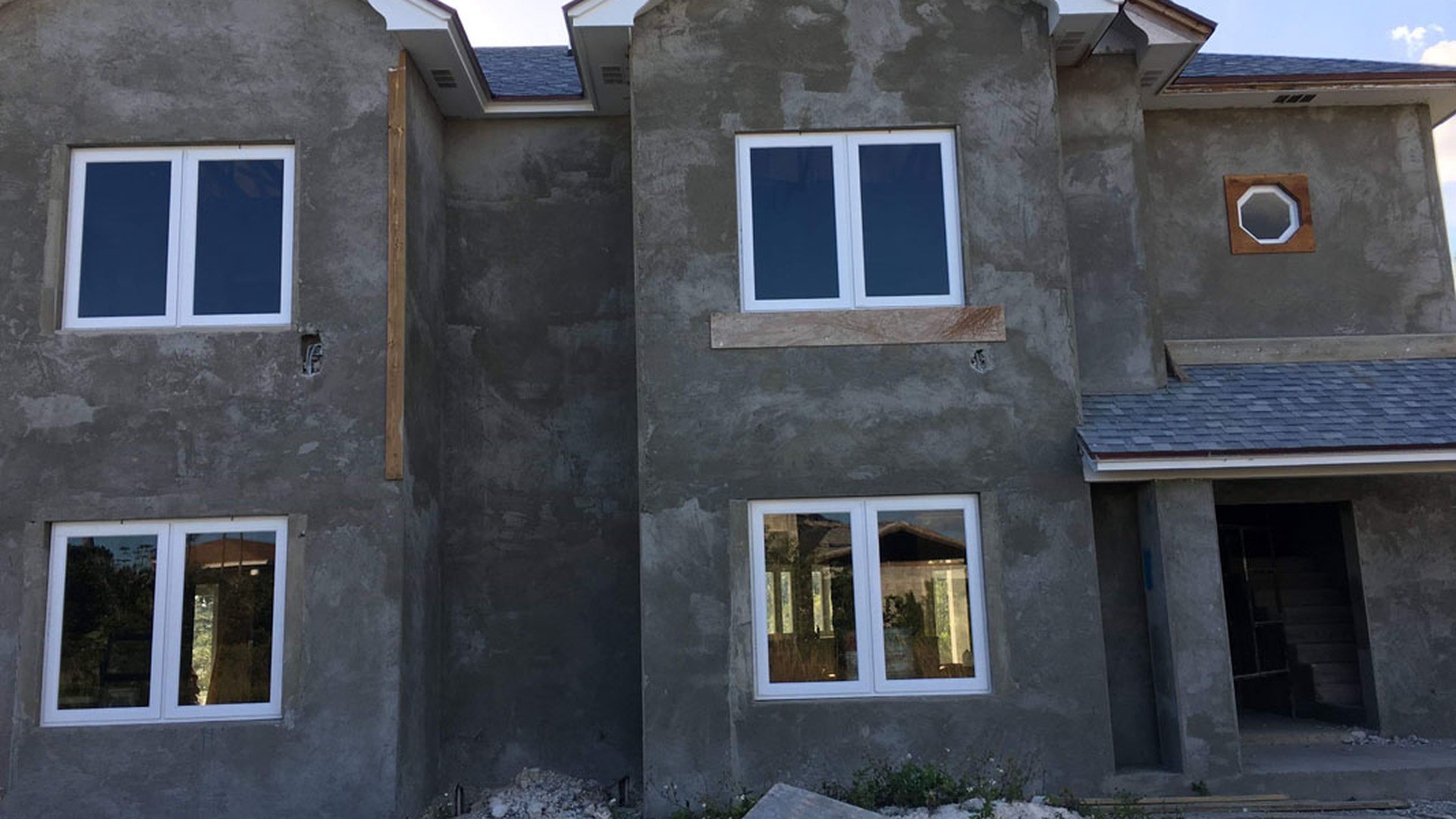
The Five Window Suppliers Ranked for Caribbean Projects
The five Caribbean window suppliers below are ranked by how well each route fits an island project, not by size, revenue or brand recognition. Each entry states only what the company publishes about itself: where it operates, the type of business it is, the products it names and how it sells. No output figures, headcounts, prices, lead times or market shares are published in this article, and none should be inferred from the order of the list.
1. ROPO Windows — factory-direct units built to a Caribbean schedule
ROPO Windows is a window and door manufacturer in Fuzhou, Fujian Province, China, with 16 years in the trade and customers in more than 100 countries. The relevant point for a Caribbean buyer is not the catalogue but the model: units are cut, machined, assembled and glazed in one factory to a project schedule, so a villa or a hotel wing arrives as one order, one finish and one tolerance rather than as a mix of stock sizes from several sources.
The island work is already on the record. The Caribbean Area case library collects delivered projects in the Bahamas, Saint Kitts and Nevis, the Cayman Islands, Aruba and the British Virgin Islands, and the individual files show what was actually supplied. A Nassau residence took PVC frames in white with KinLong locking and a 6 mm grey laminated build-up, with retractable flyscreens. A Grand Cayman project took powder-coated white aluminium with German ROTO hardware and an 8 mm clear laminated build-up. Two beachfront condominium hotels in Saint Kitts and Nevis took PVC and aluminium systems on separate phases, and a club project in Nassau combined uPVC casement windows with aluminium louvre windows for the Caribbean climate.
The hurricane range is published as its own category, including aluminium hurricane impact windows, uPVC fixed windows and aluminium casement windows, with a minimum order of one unit so a sample can be built before a container is committed. What this route does not give is a local warranty holder or an installation crew on the island, which is the trade-off discussed later in this article.
2. Triangle Exports — Miami consolidation for whole-project procurement
Triangle Exports describes itself as a Caribbean construction supply business based in North Miami Beach, Florida, in business since 1996 and serving more than 20 Caribbean islands. Its flagship line is hurricane-rated impact windows and doors, published as engineered for Category 5 winds and meeting Miami-Dade notice of acceptance, Florida Building Code high-velocity hurricane zone and ASTM E1886/E1996 large-missile impact standards, with single-hung, casement, sliding, French, multi-slide and storefront systems named.
What distinguishes this route is consolidation. The company publishes roofing, steel, lumber, plumbing, drywall and finishes alongside the openings, and states that it works at project scale with container consolidation, proforma invoices, specification documentation and delivery coordination to island ports. For a builder assembling a whole house or a resort refurbishment from one purchase order, that breadth is the product. The trade-off is that windows are one line item among many, so the technical depth of any single opening schedule depends on the supplier behind it.
3. Caribbean Impact Windows & Doors — export wholesale with a narrow focus
Caribbean Impact Windows & Doors describes itself as a wholesale exporter serving the Caribbean islands, publishing products that meet Miami-Dade and Florida Building Code standards, with standard-size impact windows and doors held in stock for immediate delivery. Its published process is unusually explicit about where its responsibility stops: it delivers the order to the crating or exporting company the buyer appoints, rather than owning the ocean freight, and it quotes within a stated response window after a request.
The same page lists adjoining services — impact garage doors, commercial storefront, glass railings, shower enclosures, interior doors and window treatments — and an on-site advisory service in which the company's representatives visit the project to guide installation. For a homeowner or a small contractor who already has a freight forwarder, this is a low-friction route. For a project that needs one party accountable from drawing to handover, the split between supplier and shipper has to be managed deliberately.
4. Super Impact Windows & Doors 365 — stock inventory in standard sizes
Super Impact Windows & Doors 365 publishes a warehouse address in Opa Locka, Florida, and sells wholesale to homeowners, contractors, builders, architects, developers and dealers. Its proposition is inventory rather than engineering: Miami-Dade and Florida-approved impact windows, French doors, sliding glass doors, picture windows, single-hung, horizontal roller, casement and storefront systems held in stock in white and bronze finishes, with laminated glass options including grey tint, clear, low-E and privacy glass.
The published size lists are the useful part of the offer. Horizontal rollers, single-hungs, casements, French doors, sidelites and sliding doors are each tabulated in inches, so a buyer can check a schedule against stock before asking for a quotation, and the company states that stock avoids the typical six to eight week manufacturing lead time. That is a real advantage for a reinstatement after a storm, and a real limitation for an architect who needs a non-standard sightline or a specific mullion layout.
5. Hurricane Impact Window — South Florida dealer with export shipping
Hurricane Impact Window is a South Florida supplier that publishes more than 20 years in the trade, products meeting Miami-Dade high-velocity hurricane zone requirements with no shutters required, and free tailgate delivery across Palm Beach, Broward, Miami-Dade and Monroe counties. Its named manufacturers include PGT, CGI, WinDoor, ES Windows, Mr Glass and ETI, which makes it a dealer route rather than a fabricator: the buyer is choosing a brand and a channel, not a factory.
For the islands, the company states that it delivers to local exporters and ships worldwide, naming the Bahamas, the Cayman Islands, the BVI, the USVI, Anguilla, Antigua and Barbuda, Jamaica, Barbados, Dominica, Montserrat, Grenada, Saint Lucia, Trinidad and Tobago and the Turks and Caicos. The appropriate use of this route is a project that wants a recognised US brand with published approvals, bought through a dealer who can also arrange the export leg — and the appropriate caution is that the brand's approval applies to the branded product, not to a substitution.
How the five routes compare side by side
| Supplier | Route | What the buyer gains | What the buyer gives up |
|---|---|---|---|
| ROPO Windows | Factory-direct, built to a schedule | One party for frame, glass, hardware and packing; custom sizes; a sample before a container | No local warranty holder or installation crew on the island |
| Triangle Exports | Miami consolidation, project scale | Windows, roofing, steel and finishes in one shipment with customs documentation | Openings are one line among many; technical depth sits with the upstream supplier |
| Caribbean Impact Windows & Doors | Export wholesale, buyer's forwarder | Stock standard sizes and a simple quote-to-crate process | Ocean freight and delivery risk stay with the buyer |
| Super Impact Windows & Doors 365 | Stock warehouse, standard sizes | Immediate availability and published size tables | No custom sightlines; the schedule must fit the stock list |
| Hurricane Impact Window | Florida dealer, brand catalogue | Recognised US brands with published approvals and export delivery | Brand-defined sizes and profiles; no factory-level customisation |
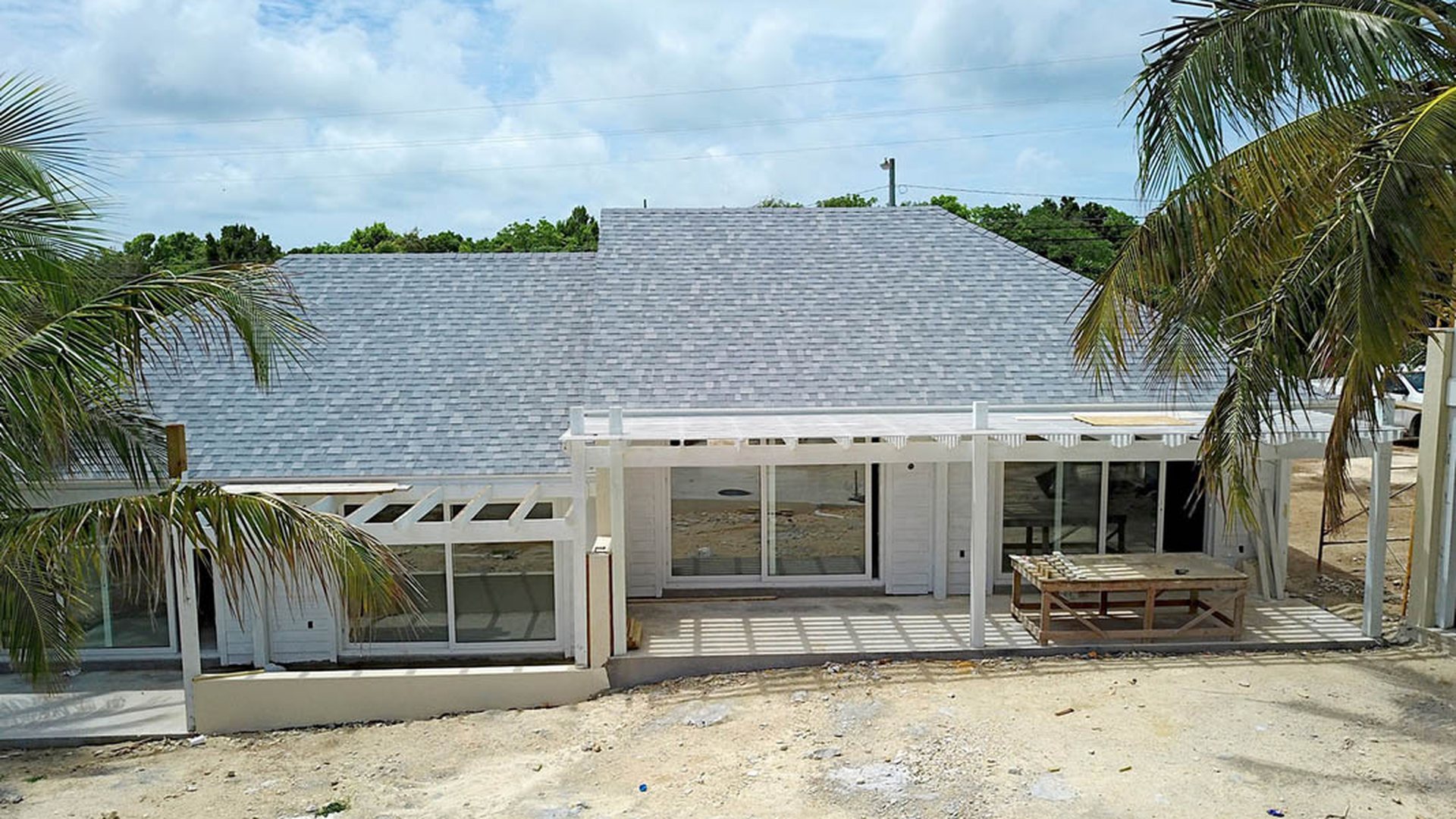
How the Five Caribbean Window Suppliers Differ in Practice
The five Caribbean window suppliers above are not five versions of the same business. They sit at different points in the chain between an extrusion and a finished opening in an island wall, and the point a supplier occupies determines who carries which risk. Buyers who compare them on price alone are comparing partial quotes, because two of the five are quoting a product and three are quoting a product plus a service that the project would otherwise have to buy separately.
Factory-direct versus trading company
A factory-direct supplier owns the machines that cut the profile, weld or crimp the frame, glaze the sash and test the finished unit, so a change to the glass build-up or the mullion spacing is a production instruction rather than a negotiation with a third party. A trading company owns the relationship and the paperwork instead. Neither model is dishonest, but they fail differently: the factory fails on communication and freight, the trader fails on specification drift, because the trader has to relay a technical instruction to someone it does not employ.
The practical test is simple. Ask what happens if the site measures a rough opening 10 mm narrower than the approved drawing after the frames are made. A factory can answer in terms of its own production and remake schedule. A trading company has to ask. That single question reveals which of the two you are actually dealing with, regardless of what the website says.
Consolidator versus single-product supplier
A consolidator's value is the container. When a project needs windows, doors, roofing and plumbing, buying them from four suppliers means four sets of crates, four sets of documents and four chances of one item arriving late enough to hold the whole shipment. Triangle Exports sells exactly that coordination. The cost is attention: a supplier whose business is dozens of product categories cannot be as deep on a specific wind-load calculation as a supplier whose business is windows alone.
For a villa, a single-product supplier is usually the better fit because the opening schedule is the technical heart of the job. For a resort refurbishment with a general contractor already managing trades, the consolidator may genuinely save money, provided the window specification is written tightly enough that the consolidator cannot substitute a cheaper assembly halfway through.
Stock versus made-to-order
Stock is the answer to one specific problem: time. After a storm, or when a handover date has already been promised to a buyer, a standard-size unit that ships this week beats a perfect custom unit that ships in two months. Super Impact Windows & Doors 365 and Caribbean Impact Windows & Doors both publish stock inventory, and both publish standard size tables, which lets a contractor check a schedule against availability before committing.
Made-to-order is the answer to a different problem: geometry. A beachfront elevation with full-height glazing, unequal mullion spacing and a corner that has to read as one continuous sightline cannot be built from a stock list. Aluminium sliding windows and aluminium fixed windows made to a drawing solve that, at the cost of a production slot and a longer programme. The mistake is to accept a stock size on a custom elevation and then try to hide the difference with a wider trim.
Who holds the warranty after the container lands
Warranty is where the routes diverge most sharply, and where quotations are least comparable. A dealer selling a branded product typically passes through the manufacturer's warranty and holds it locally. A factory selling direct typically warrants the product it made, from the factory, with the remedy expressed as replacement components or replacement units rather than a local repair visit. A consolidator may sit outside the warranty chain altogether, acting as the buyer's agent.
None of those arrangements is inherently better; they are different allocations of risk. What matters is that the buyer knows which one applies before signing. Three questions settle it: who inspects a claimed defect, who decides whether it is a defect or an installation error, and who pays the freight on a replacement. A ten-year warranty means little if the replacement has to cross an ocean at the buyer's cost, and a one-year warranty can be excellent if the supplier keeps spares on the island.
This is also where the paperwork habit pays off. A supplier that issues a written warranty document with the order, naming the covered components and the exclusion list, is easier to hold to than one whose promise exists only in an email. ROPO publishes its warranty terms as a standing page and confirms the ten-year cover in writing on the order, which is the minimum a Caribbean buyer should accept from any route.

Which Supplier Fits Which Caribbean Project?
Matching the route to the project matters more than ranking the companies. A villa, a condominium hotel, a multi-unit development, a distributor's stock order and a post-storm reinstatement each have a different failure that hurts most, and the right supplier is the one whose weak point does not sit on that failure. The five profiles below are the common cases; most island projects are one of them, sometimes two at once. The island case gallery is the fastest way to see which profile a project resembles.
A single beachfront villa or second home
For one house, the constraint is not volume but attention. The owner wants a specific sightline, a specific colour and a flyscreen detail that matches the verandah, and there is no procurement department to absorb mistakes. A factory-direct route works well here because the entire order can be built once, checked once and shipped once, and because a single sample unit can be produced before the full order is released. The published one-unit minimum makes that possible without committing a container to a design nobody has seen.
The Nassau aluminium residence in the Bahamas aluminium case file is the shape of this project: casement windows, casement doors, fixed lights and retractable flyscreens, all in one aluminium system, for a private client building a modern house in a hurricane-exposed location. The lesson from that file is not the product list but the sequence — one supplier, one schedule, one finish, and the flyscreens designed with the windows rather than added afterwards.
A condominium hotel or resort refurbishment
A hotel adds two requirements a villa does not have: repetition and acoustic separation. Hundreds of identical openings have to be identical in practice, not only on the drawing, because a guest will compare two rooms; and the assembly has to reduce noise from the pool deck, the plant room and the road, which is a glazing decision as much as a frame decision. A factory that builds the whole run on one line controls that consistency better than a supply chain assembled from stock.
The two Saint Kitts and Nevis phases show how this is staged. The PVC phase supplied fixed and sliding windows and sliding doors for a beachfront condominium hotel, and the aluminium phase followed with casement, fixed, double-hung windows and sliding and hinge doors, with PVDF-coated aluminium chosen for the marine exposure. A developer procuring both phases from one factory keeps the sightline consistent across the building even when the frame material changes.
A multi-unit residential development
At multi-unit scale the controlling issue becomes documentation per unit type. A building department will want the approval to cover each configuration in the schedule, and an insurer will want to see that the glazing matches what was approved. That is easier when one supplier issues one approval set covering the whole schedule than when three suppliers each cover their own portion and the gaps sit at the junctions — the corner unit, the balcony door, the stairwell window.
Consolidation also starts to pay at this scale, which is why the Miami consolidator route exists. The decision rule is whether the project has a contractor capable of managing a multi-supplier schedule. If it does, buying windows from a specialist and everything else from a consolidator is efficient. If it does not, one throat to choke is worth more than the last few percent of margin, and the window specification should be written by whoever is accountable for the whole envelope.
A distributor or fabricator serving several islands
A distributor is buying repeatability rather than a project. What matters is that the tenth container matches the first, that the profile and the hardware stay in production, and that spares can be ordered by part rather than by window. A factory-direct relationship with a published dealer and wholesaler programme is usually the right structure, because it converts a series of one-off purchases into a supply agreement with a known specification.
The distinction that matters commercially is between a distributor who holds stock and one who brokers orders. A distributor holding stock absorbs the sea crossing and can serve an island within days; a broker forwards the risk. Both can work, but the price difference between them is usually the cost of that inventory, and a buyer who does not see that is comparing two different products.
A hurricane-damaged building being reinstated
Reinstatement inverts every normal priority. Time dominates, sizes are whatever the surviving openings allow, and the insurer wants evidence that the replacement performs at least as well as what was approved originally. Stock standard sizes become valuable here precisely because they exist, and a supplier who can match a damaged unit's dimensions from a published table can shorten the programme by weeks.
The trap is mixing stock units into an elevation that was originally approved as a system. If the original approval covered a specific assembly, a stock replacement may not be covered by it, and the insurer may treat the difference as an unapproved alteration. The safe sequence is to identify the original approval first, then ask which available product is covered by it, then price the schedule — not the other way round.
The Questions That Separate a Real Supplier from a Quotation
Six questions do most of the screening work when comparing Caribbean window suppliers, and none of them is about price. Each one asks a supplier to produce something that cannot be improvised in an email: a document, a specification, a packing method, an inspection record or a remedy. A supplier that answers all six clearly is worth a second conversation. A supplier that deflects three of them has told you how the project will go after the deposit is paid.
Ask for the approval number, not the phrase Miami-Dade approved
Request the notice of acceptance or product approval that covers the exact assembly being quoted, at the size being quoted, with the glass build-up being quoted. Then check that the document is current and that the product family named in it matches the product family on the quotation. This is the single most useful piece of due diligence available to a Caribbean buyer, because it converts a marketing claim into a traceable number that a building department can verify independently.
The wider certification picture matters too, and this guide to sourcing Miami-Dade approved impact windows sets out how the Florida approval system works and where a Chinese factory's test reports fit into it. For projects also selling into the United States or Canada, the parallel requirements are summarised in the NFRC, ENERGY STAR and Miami-Dade approvals guide.
Ask what the finish is and how it is applied
A finish answer that stops at a colour name is not an answer. What matters is the system: whether aluminium is powder coated over a proper pretreatment or finished with a PVDF coating for marine exposure, what the nominal film thickness is, and whether cut edges are sealed. A white powder-coated frame in a Caribbean project is fine if the pretreatment is right and the coating is thick enough; the same words on a quotation can describe a finish that chalks in two seasons.
The uPVC side has its own version of the question. A profile for a tropical market has to be stabilised against ultraviolet and formulated without lead, and the published colour range should say what is actually available rather than what is theoretically possible. Both material families are documented on the site — aluminium frame options and uPVC material and colour options — which lets a buyer compare what a supplier publishes against what it is offering on the order.
Ask which glass build-up the quote assumes
Glass is where quotations quietly diverge. A laminated unit with a polyvinyl butyral interlayer, an insulating unit combining laminated and tempered panes, and a monolithic toughened pane can all be described as impact glass, and only the first two behave the way a hurricane specification expects. The build-up is written as thicknesses and interlayer, for example 6 mm grey laminated to 6 mm grey, or 8 mm clear laminated to 8 mm clear, and those strings are directly comparable between suppliers.
The glass decision also drives weight, and weight drives everything downstream: the sash profile, the hinges, the number of people needed to lift a unit on site, and the packing. The published glass options list the build-ups available, and the laminated glass guide explains what the interlayer actually does under impact and for sound. A buyer who cannot state the build-up in that format is not yet ready to compare prices.
Ask how the units will be packed for a sea crossing
Packing is the cheapest insurance in the whole transaction and the most commonly skipped question. Ask for the packing method in writing: whether units travel in timber crates or on A-frames, how glass edges are protected, whether frames are interleaved, how corners are reinforced, and how the crate is marked for the receiving site. Then ask what the crate weighs and what its external dimensions are, because those numbers determine the freight cost and whether the consignment can be handled at a small island port.
ROPO's packaging guide documents a three-layer system in which units are wrapped, corner-protected and crated, with the crate marked for the site rather than for the port. Whether a supplier uses that method or another, the test is the same: can it describe the packing as a procedure rather than as an assurance. A supplier that answers with a photograph of a container being loaded is answering a different question from the one being asked.
Ask who inspects, and when
Quality control is only meaningful if it happens at defined points and leaves a record. The useful question is not whether a factory has inspection but at which stages it inspects, who signs, and what the buyer receives as evidence. Five checkpoints that make sense for a window are the incoming profile and glass, the cut and machined frame, the assembled and glazed unit, the hardware and operation test, and the packed crate before it leaves the yard.
The documentation behind those checkpoints is published as quality assurance and certification, including the test reports that support the impact and water performance claims. A buyer ordering from an island should ask for the inspection record for the actual consignment, not a generic certificate. The difference is whether the paper describes the product or describes the shipment. The Caribbean case archive shows how those records map onto delivered island projects.
Ask what happens when one unit arrives damaged
Damage in transit is not a sign of a bad supplier; it is a normal risk of a sea crossing. What separates suppliers is the remedy. Ask who inspects the damage, what evidence is required, whether a replacement is built into the next production slot or waits for a new order, and who pays the freight. Ask the same question for a manufacturing defect found after installation, because the remedy is often different and the clock starts later.
A sample order is the cheapest way to test all of this before a project is exposed. The sample order guide sets out what a first order should include so that it tests packing, documentation and communication rather than only the product. A supplier that handles a single-unit order well — with a crate, a packing list, an approval set and a named contact — is a supplier that will probably handle a container well. The record of delivered island projects is the other half of the evidence, and the Caribbean Area project index is where those files sit.
One further question is worth adding for hotel and multi-unit work: ask for the drawing approval sequence. If the factory produces shop drawings for signature before cutting, dimensional errors are caught on paper. If it cuts directly from a client sketch, every error is discovered in a crate. The hurricane impact window overview describes how a project moves from a schedule to a set of approved drawings, which is the process a project manager should expect to see.
About ROPO Windows
ROPO Windows is a window and door manufacturer based in Fuzhou, Fujian Province, China, with 16 years in the trade and customers in more than 100 countries. The factory builds aluminium and uPVC windows and doors to project drawings, from a single sample unit to full container loads, and publishes its certifications, warranty terms and inspection records as standing documents rather than on request.
Where the units are made
The factory sits in the Tieling Technical and Economic Development Zone in Minhou County, Fuzhou, and ships through Fuzhou and Xiamen. Production covers cutting, machining, welding or crimping, glazing, hardware fitting and packing under one roof, which is what makes a custom schedule practical: the frame, the glass and the hardware are matched in one place, and a change to the glass build-up is a production instruction rather than a purchase order to a third party.
What that means for a Caribbean buyer is a single point of accountability for the assembly. The factory overview shows the workshop and the process, and the certificate library holds the approvals and test reports — the AS2047 and NZS4211 documents for the Australian and New Zealand markets, the Miami-Dade related evidence for hurricane work, and the quality system records. The materials and cost factors guide explains what drives the price, which is useful when comparing a factory quote against a dealer quote for a similar specification.
What the Caribbean work already includes
Delivered projects in the region are published as individual case files: aluminium and uPVC residences and hotels in the Bahamas, two phases of a beachfront condominium hotel in Saint Kitts and Nevis, an aluminium project in the Cayman Islands, and further files for Aruba and the British Virgin Islands. Between them they cover the two frame materials, laminated glass build-ups from a 6 mm grey unit to an 8 mm clear unit, retractable and sliding flyscreens, and both KinLong and ROTO hardware. For anyone comparing Caribbean window suppliers on evidence rather than on promises, that spread is the relevant measure: it shows the material combinations an island project actually needs, not a general catalogue.
That range matters because it is evidence of the specific combination a Caribbean project needs rather than of general capability. A supplier who has shipped impact-rated uPVC into Nassau knows what the crate has to survive and what the broker will ask for. ROPO's Caribbean Area case file is the place to check whether a project resembles yours before starting a conversation.
Custom Production Process
Custom production is a sequence of approvals, and the value of choosing a factory is that the sequence can be written down and followed. The process below is the one ROPO runs for island projects, and it is worth comparing against whatever a competing supplier describes, because the stages are where dimensional and specification errors are either caught or carried all the way to a crate.
From drawing to approved shop drawing
A project starts with a schedule: opening marks, widths and heights, frame material, colour, glass build-up, hardware, flyscreen type and any performance requirement such as an impact rating or a water test. The factory converts that into shop drawings showing elevations, sections, mullion positions, opening directions, drainage and fixing points, and sends them for signature before any profile is cut. Nothing is released to production until the drawing set is approved.
The measuring step deserves its own discipline, because a Caribbean project often has openings built to blockwork tolerances rather than to a millimetre drawing. The measuring guide sets out the difference between hole size, frame size and installation gap, and getting those three numbers right at the start prevents the most expensive class of error on an island, where a remake costs a second shipment rather than a second delivery.
Cutting, assembly and the five inspection points
Once drawings are approved, profiles are cut, machined for hardware and drainage, assembled and glazed. Inspection is scheduled at five points: incoming profile and glass, cut and machined frame, assembled and glazed unit, hardware and operation test, and packed crate. Each point produces a record against the consignment, which is what makes the difference between a quality claim and a quality system.
The trade documentation that sits behind the purchase is issued at the same stage. Trade Assurance cover protects the payment against a supplier that does not ship what was approved, and the certificate set travels with the consignment so the buyer's broker and building department see the same documents the factory filed. Caribbean Area project gallery files show the finished result of that sequence on island work.
Packaging and Shipping
Packing is the part of a Caribbean order that decides whether the price paid at the factory is the price paid in total, and it is the stage that Caribbean window suppliers describe least precisely. A container is not a warehouse: it flexes, it takes on humidity, it is handled by machinery at both ends, and it may sit on a dock in tropical heat for days. A frame that leaves the yard perfect can arrive with a twisted sash or a chipped corner if the crate was designed for a truck rather than for an ocean.
Crating for a sea crossing
Units are wrapped to protect the finish, corner-protected, interleaved so that frames cannot rub, and crated in timber with the glass edges kept clear of the crate structure. Crates are marked for the receiving site rather than for the port, because the last hundred metres of handling is usually the least supervised. Hardware and flyscreens travel separately inside the crate, labelled by opening mark, so that nothing has to be identified from memory on site.
The method is documented in the packaging guide, including how units are stacked, how weight is distributed and how a crate is opened without damaging the contents. For a buyer, the practical check is to ask for crate dimensions and weights before the freight is booked, since those numbers set the shipping cost and decide whether a small island port can handle the lift.
Fuzhou and Xiamen to Caribbean ports
Shipments leave from Fuzhou and Xiamen, and both are routine origins for Caribbean freight: a container is trucked to the port, loaded against a packing list, and forwarded either directly to an island port or through a transhipment hub. The buyer's forwarder handles the ocean leg and the customs entry, and the factory issues the commercial invoice, packing list, certificate set and any documentation the destination requires.
Two documents decide how smoothly that leg goes. The packing list has to match the crate markings exactly, or the receiving site will spend a day identifying units. And the approval set has to travel with the shipment rather than by email, because the inspector on site is usually not the person who bought the windows. A shortlist of Caribbean window suppliers should be judged partly on whether it treats those two documents as part of the product. ROPO's Caribbean case studies are the record of that process arriving intact.