Top 5 Integral Blind Window Manufacturers for Glare and Privacy Control
- Share
- publisher
- ROPO Windows
- Issue Time
- Oct 30,2026
Summary
Integral blinds sit inside the sealed cavity of a double-glazed unit, so the blind that controls glare and privacy is also the part nobody can reach, clean or repair. This guide ranks five integral blind window manufacturers, separates factory-direct window makers from system OEMs, IGU fabricators and shading specialists, and sets out the glass, blind, control, size and certification questions to settle before an order is raised.
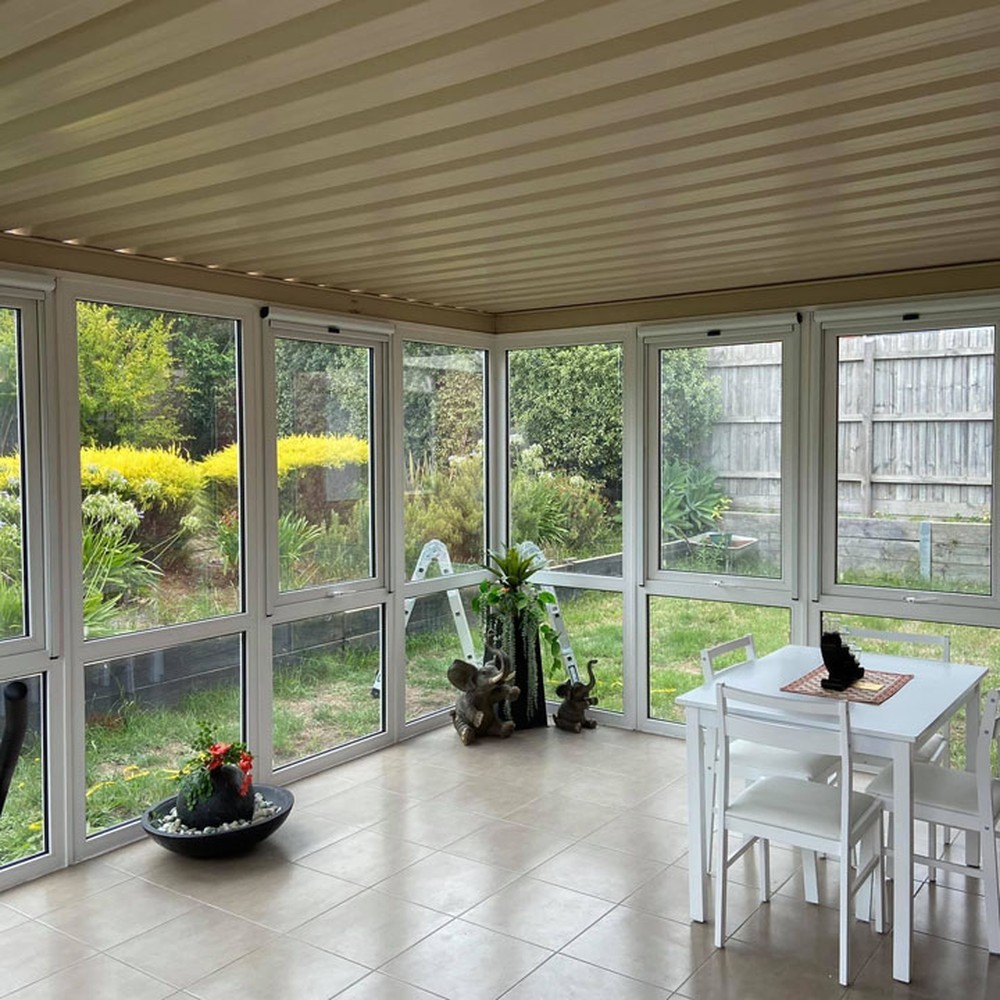
Which Integral Blind Window Manufacturers Should You Shortlist for Glare and Privacy Control?
For glare and privacy control the integral blinds windows worth shortlisting are ROPO Windows, Pellini, Morley Glass, Unicel Architectural and Verosol. One is a window factory that delivers a finished unit; four are system, glazing or shading specialists that supply the part inside the glass, so each route answers a different question about who owns the mechanism.
What an integral blind window is, in one paragraph
An integral blind window is an ordinary window or door in which the blind has been built into the insulating glass unit rather than hung on the frame. The venetian slats, the pleated fabric or the honeycomb cell sits in the sealed cavity between two panes, controlled from outside by a magnetic slider, a handle, a wall switch or a motor. Because the cavity is sealed and usually argon-filled, dust never reaches the slats, condensation never forms on them, and nobody ever cleans them. The window still opens, tilts or slides as it always did; what has changed is that the shading is now part of the glazing package, ordered with the unit and delivered as one item. That single change moves the blind from the decoration budget to the fenestration package, and it moves responsibility for it from a blind fitter to whoever makes the sealed unit.
The commercial consequence is easy to miss. A conventional blind is bought late, fitted by a different trade, and replaced on its own when it fails. An integral blind is specified early, priced inside the window, and replaced only with the glass. That is why the buying question is not "which blind do I like" but "which manufacturer's glass, blind and control am I prepared to live with for the next ten years", and why the answer depends on where the unit is being made rather than on a fabric sample.
Why the word manufacturer is looser in this category than in any other window type
In most window categories a buyer can assume that the company selling the window made the window. Integral blinds break that assumption faster than any other product in the catalogue, because the blind mechanism and the sealed unit are usually made by different companies and then joined by a third. A blind system house builds the venetian or pleated mechanism and the control. A glass processor buys that system, builds it into an insulating glass unit, seals the unit and sells the unit to a window fabricator. The window fabricator frames it, glazes it, sells it to a project. Any of those three may describe itself as an integral blind manufacturer, and all three are right in their own terms.
This matters when something goes wrong. If a slat jams in year four, the question "who owns the defect" has three possible answers: the company that made the mechanism, the company that sealed it into the glass, or the company that sold you the finished window. Those are three different warranties, three different spare-part routes and three different ideas about whether a jammed slat is a glass problem. The list below is deliberately organised around which of the three you are actually buying from, because that is the question projects get wrong.
What this guide covers, and what the other articles handle
This article is about choosing who supplies integral blinds windows and how to test what arrives. It does not re-explain external shading, which is a different product bought by a different person: facade louvres sit in the aluminium louvre and shutter manufacturers comparison, roll-down shutters in the roller shutter window manufacturers comparison, and glass louver windows in the louver window manufacturers comparison. Nor does it repeat the glass science, which is set out in the guide to choosing the right glass and in the pages on toughened glass, laminated glass and low-E glass.
What is left is the commercial question this guide exists for: among the companies that build a blind into a sealed unit, which one is set up for your project, and what has to be put in writing before production starts? One boundary is worth setting at the beginning. A hotel bathroom window, a home office that faces west and a hospital corridor are the same product family bought three different ways — retail, project and specification — and this article is written for the second and third, mentioning where the first one diverges. The product itself is described on the integral blinds for windows and doors page, and the wider shading family on the sunshade series page.
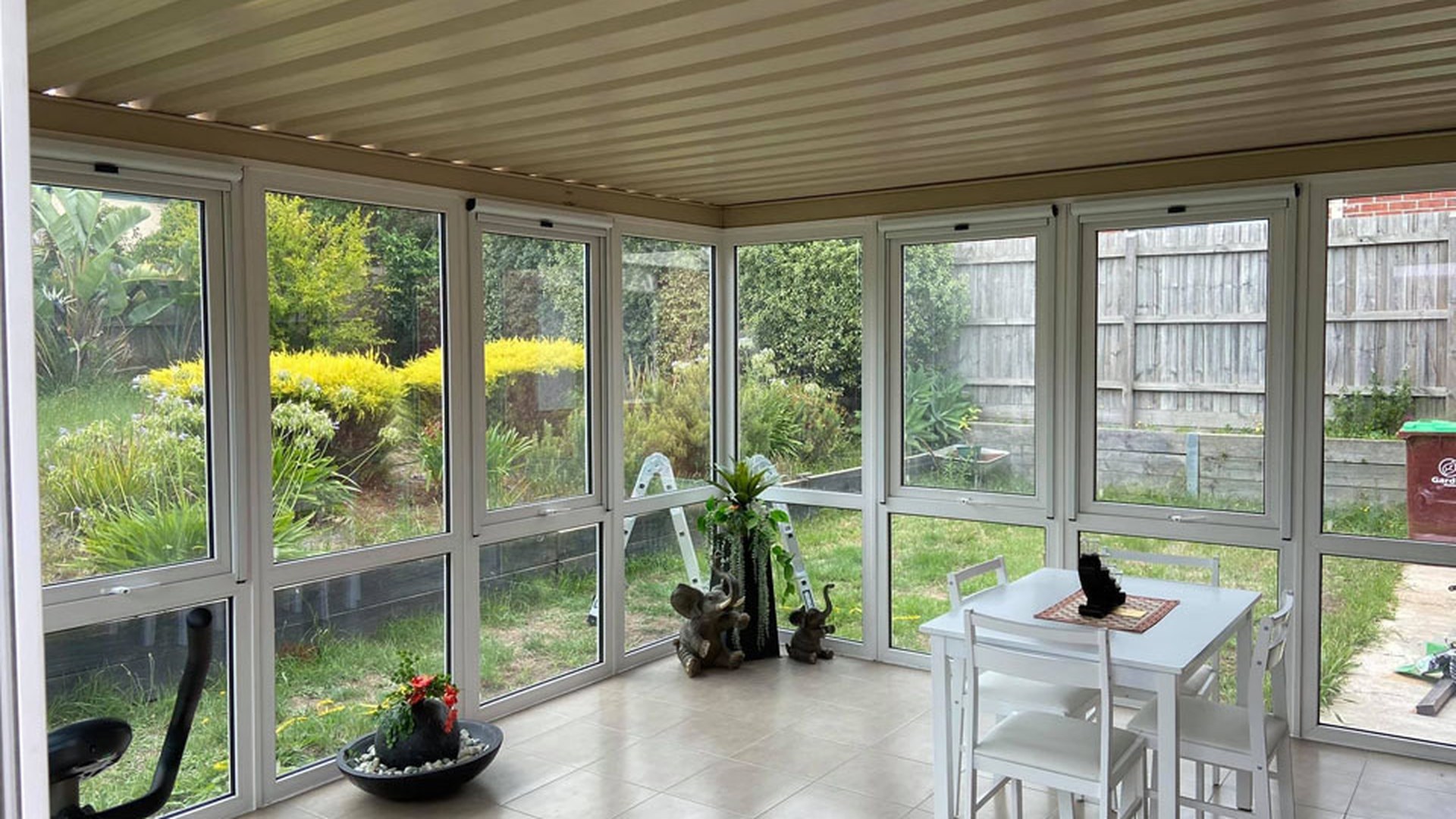
The Five Integral Blind Window Manufacturers, Ranked for Glare and Privacy Control
The five integral blinds windows suppliers below are ranked by how well each route fits a buyer who has to control glare and privacy on a real building — imported, project-purchased or specified — and not by size, revenue or brand recognition. Each entry states only what the company publishes about itself: its country, the type of business it is, the product families it names and how it sells. No output figures, headcounts, prices, lead times or market shares appear in this article, and none should be inferred from the order of the list.
1. ROPO Windows — a window factory that sells the finished unit
ROPO Windows is a window and door manufacturer in Fuzhou, Fujian Province, China, with 16 years in the trade and customers in more than 100 countries. The relevant difference here is what is being sold: not a sealed unit to a fabricator and not a mechanism to a glass processor, but the finished window or door with the blind already inside it, built to a schedule and shipped to a project. For a buyer who does not own a factory, that removes an entire integration step, because the frame, the glass, the blind, the control and the packing list come from one address.
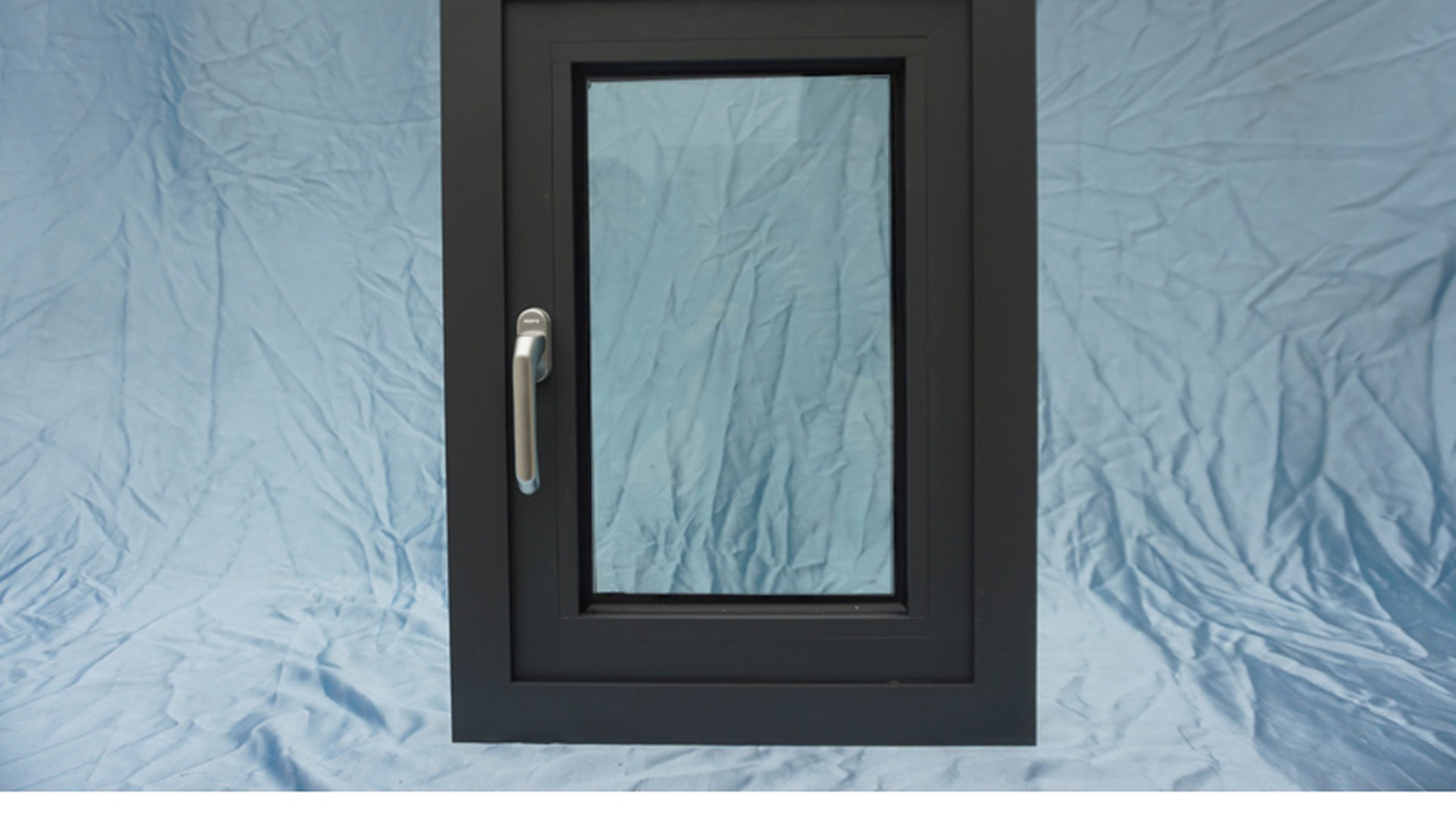
The range is published as its own category under the sunshade series — the integral blinds range — with a single listed product, reference RPIB001, described as aluminium blinds in glass for windows and doors. The published specification is unusually concrete for this product category: aluminium venetian blinds or a honeycomb curtain inside the cavity, glass to AS/NZS 2208, AS 4666, CE and SGCC, five standard colours (white, silver, grey, brown and black), manual or electric operation, FOB Fuzhou or Xiamen, and payment by L/C or T/T. Anything beyond that — the cassette depth, the control position, the exact unit build-up — is confirmed against the model and the opening rather than published as a single number.
The control options are listed as separate configurations, and the size limits published for each are the most useful part of the page for a specifier. A manual single-handle version is listed to a maximum of 1,400 mm wide by 2,600 mm high and 2.60 m². A manual double-handle version, which uses magnetic coupling to move and tilt the slats, is listed to 1,500 mm by 2,800 mm and 3.00 m², and the manual honeycomb version to the same envelope. The electric venetian version goes to 3,000 mm by 3,500 mm and 6.00 m², the electric honeycomb to 2,000 mm by 3,000 mm and 4.00 m², and the battery-powered C-series to the same 3,000 mm by 3,500 mm envelope with no wiring at all. Minimum sizes sit at 200 mm by 200 mm for the manual versions and 280 mm by 300 mm for the electric ones. Those figures are the difference between a brochure and a product, because they tell a designer immediately whether the opening on the drawing can carry the blind they have in mind.
What this route gives a buyer is one party for the frame, the glass, the blind, the actuator and the crate, plus a factory that will build a single unit before a container is committed. What it does not give is a local warranty holder or a local installation crew, and that trade-off is the same one described at the end of this section.
2. Pellini — the Italian system house behind ScreenLine
Pellini S.p.A. is an Italian company whose ScreenLine range is one of the best-known integral blind systems in Europe. Its published position is that of a system manufacturer: the blind — venetian, pleated or roller — is encapsulated into an insulating glass unit, and the resulting unit is supplied to glass processors and window fabricators rather than sold to a building owner. The control technologies are part of the system, which is why the same brand appears on hospital facades, office partitions and residential windows in markets that have nothing else in common.
For a buyer this is the route to a documented mechanism rather than a finished window. You are buying a system whose behaviour, control options and cavity requirements are published, and the quality of the finished window then depends on the processor who seals it and the fabricator who frames it. That is a real distinction on a glare-critical elevation, because the mechanism is the part that has to survive a decade of daily use and the processor is the part that has to keep the cavity dry. If your project involves a European fabricator with a ScreenLine licence, the practical question is not whether the system is any good but which configuration and which control were quoted.
3. Morley Glass — a sealed-unit maker that builds the system in
Morley Glass & Glazing is a UK insulating glass unit manufacturer and describes itself as the UK's largest manufacturer of bespoke Pellini ScreenLine integrated blinds, a partnership its trade press coverage puts at more than two decades. That sentence is the clearest illustration of the middle layer in this industry: the company does not design the blind and does not frame the window, it takes the system, builds it into a sealed unit to a bespoke size, and supplies that unit to the trade.
This is the route a UK fabricator or installer usually takes, and it is worth understanding even from outside the UK because the model repeats in every mature market. The advantage is bespoke sizing and a unit that arrives tested as a unit. The limitation is that the buyer still needs someone to frame it, fit it and warrant the window, and the glare and privacy performance of the finished opening depends on how that frame was detailed around the cassette. When a specifier asks who is accountable for the blind, the honest answer in this model is: the unit maker for the cavity, the fabricator for the frame, and the contract for the join between them.
4. Unicel Architectural — glazing systems for institutional work
Unicel Architectural is a Canadian manufacturer of glazing and architectural systems with a history of more than sixty years, and its ViuLite product line is a glass-encased venetian blind offered as part of a specialty glazing range. The published description is aimed at architects and specifiers rather than homeowners: permanently sealed blinds in a double-glazed unit, tilt-only or tilt-and-raise configurations, and control by wand or by motor, marketed on hygiene and on the absence of maintenance as much as on light control.
Its natural territory is institutional and commercial work where cleaning is a compliance issue rather than a chore — healthcare, laboratories, food production, schools — and where the window is part of a specified system rather than a shopping decision. For a project of that type the attraction is a manufacturer that thinks in terms of assemblies and interfaces. For a residential importer the attraction is narrower: it is a reference point for what a fully documented integral blind specification looks like, including the control and the cavity, which is useful when writing a tender document even if the unit is eventually bought elsewhere.
5. Verosol — the shading fabric and pleated specialist
Verosol is a Netherlands-based manufacturer of interior solar shading fabrics and blinds, with production and facilities in the Netherlands, Australia and Spain and a distribution network that runs through licensees. Its published range is built around performance fabrics — including metal-backed fabrics developed to control solar radiation while preserving the view — and around pleated blind systems, which is the family most often integrated into glazing for glare control.
As a route to integral blinds windows it is the most specialised of the five: the company's authority is in the fabric and the blind, and the glazing integration is done by partners. That makes it the right conversation when the problem is quantitative — a specific solar gain, a specific glare index, a specific fabric openness factor — rather than when the problem is "I need a window with a blind in it". For a specifier assembling a package, the sensible split is to take the shading performance from a specialist of this type and the window, frame and certification from a factory that builds the whole assembly.
How the five routes compare
| Supplier | Country / type | What is publicly documented | Route to buying |
|---|---|---|---|
| ROPO Windows | China, window and door factory | Aluminium venetian or honeycomb in glass, manual / electric / battery, AS/NZS 2208 and AS 4666 glass, published size limits per control type, MOQ one unit | Factory-direct, finished window or door, sample first |
| Pellini | Italy, blind system manufacturer | ScreenLine venetian, pleated and roller systems encapsulated in insulating glass, with matched control systems | Through a licensed glass processor or fabricator |
| Morley Glass | UK, insulating glass unit manufacturer | Bespoke sealed units built with the ScreenLine system, supplied to the trade | Trade supply, unit only |
| Unicel Architectural | Canada, architectural glazing systems | ViuLite glass-encased venetian blinds, tilt-only or tilt-and-raise, wand or motor control, hygiene-led positioning | Specification through architects and glazing contractors |
| Verosol | Netherlands, shading fabric and blind manufacturer | Performance fabrics including metal-backed ranges, pleated blind systems, licensee network | Fabric and blind supply, integration by partners |
Whichever of the five you approach, the useful test is to ask who owns the cavity: the party who seals the glass around the blind is the party who answers for it, and an integral blinds supplier who cannot name that party has not answered the question.
Read across that table and the market divides cleanly. Two of the five will sell you a finished opening; three will sell you the mechanism or the sealed unit and leave the window to somebody else. If you are a contractor buying a schedule of windows, the first column is the only one that removes the coordination risk. If you are a fabricator, the middle two are your supply chain. If you are a specifier writing performance requirements, the last one is where the numbers come from.
What Changes When the Blind Goes Inside the Glass
An integral blinds windows unit is not a window with a blind added; it is a different assembly, and five things change at once. The unit gets thicker, because the cavity has to hold a cassette and a stack of slats as well as gas. The frame section has to be deep enough to carry that unit without the sightline growing. The control has to pass through the spacer or the frame, which is the one place where the seal can be compromised. The blind can no longer be replaced on its own. And the whole assembly has to be tested as a unit, because a sealed unit is not a window and a window is not a sealed unit.
The sealed cavity, and why it changes the maintenance argument
The reason buyers accept the extra cost is simple: the slats are on the dry side of a sealed unit. Dust cannot settle on them, condensation cannot form on them, and the greasy film that builds on a kitchen venetian over a couple of years never gets the chance. That is why the product is specified in hospitals, laboratories and food production, where a dusty blind is a cleaning problem with a compliance dimension, and it is why it is specified in bathrooms, where a conventional blind is either soaked or mouldy within a season. The published description of our own RPIB001 integral blind unit makes the same point in its opening lines: the blind sits in the argon-filled cavity, so it never collects dust and never needs cleaning.
The construction is sold under several names — blinds between glass, integrated blinds, built-in blinds — and none of the names says anything about the mechanism inside.
What that argument does not do is remove maintenance. It relocates it. The slats no longer need dusting, but the control now needs to work, and the seal now matters more than it did. A failed seal on an ordinary unit fogs the glass; a failed seal on an integral blind unit fogs the glass and corrodes the mechanism inside it, which is a much more expensive failure. That is why the certification question in section five is not a formality, and why the control is the part to inspect first on a sample.
What the blind does to the glass build-up
Adding a blind to a cavity changes the thermal and optical job the unit is doing. The blind interrupts the gas space, radiates back part of the solar gain when it is closed, and blocks the view when it is down. In practice that means the unit has to be designed around the blind rather than the blind squeezed into a unit designed for clear glass: the cavity width, the desiccant, the spacer and the gas fill all have to be consistent with the cassette, and the glazing specification has to say so explicitly. The glass options themselves — thickness, coating, laminated or toughened, edge condition — are covered on the glass options page.
Two practical consequences follow. First, the unit is heavier and thicker than the clear equivalent, so the frame and the hardware have to be sized for it, and a quote that assumes the same frame as a standard double-glazed window is a quote that has not been engineered. Second, the optical performance quoted for a blind-in-glass unit is only meaningful for a stated slat angle, because an open venetian and a closed venetian behave like two different windows. A specification that says "solar control" without saying "at what slat angle, measured how" has not specified anything.
Where integral blinds are the wrong answer
They are the wrong answer when the priority is blackout. A venetian in a cavity closes to a privacy position, not to a light-tight one; gaps at the slat ends and around the perimeter let light past, which is fine in an office and useless in a bedroom that has to be dark at noon. If true blackout is the brief, the options are an external shutter, an internal cassette blind with side channels, or a pleated blackout fabric in a system designed for it — and the roll-down products in the roller shutter window manufacturers comparison are the honest starting point.
They are also the wrong answer when the budget is the only driver, when the window has to be replaced one pane at a time, or when a service route matters more than a sightline. A blind in a cavity cannot be repaired on site. If a slat derails, the unit goes back or the glass is replaced. On a building where access is expensive and downtime is unacceptable, that is a genuine objection, and the answer is either a well-tested mechanism or a different product. Finally, they are the wrong answer on a facade that needs shading on the outside of the glass: an integral blind deals with light that has already entered, and no internal blind removes the solar load the way an external screen does.
External shading, internal shading and the blind in the cavity compared
Three families of product get confused in specification meetings, and they are not interchangeable. External shading — zip screens, louvres, shutters, awnings — stops radiation before it reaches the glass, which is why it is the most effective route thermally. Internal shading — a curtain, a hung venetian, a roller — is cheap, flexible and almost useless thermally, because the heat is already inside the room. The blind in the cavity sits between the two: it is not external, but it is inside the sealed unit, which means it behaves better than a hung blind and worse than an external screen.
The comparison that matters commercially is against external screens, and the ziptrack outdoor blinds on our own site are a fair example of the external route: a mesh that runs in side channels, keeps the sun off the glazing and keeps the room usable, at the cost of a visible external element and a mechanism that lives outdoors. An integral blind keeps the elevation clean and the mechanism indoors, at the cost of thermal performance and of any repair that involves the glass. On a west-facing office the external screen usually wins on load; on a bathroom or a hospital ward the integral blind usually wins on hygiene and on the fact that nobody has to operate it from outside.
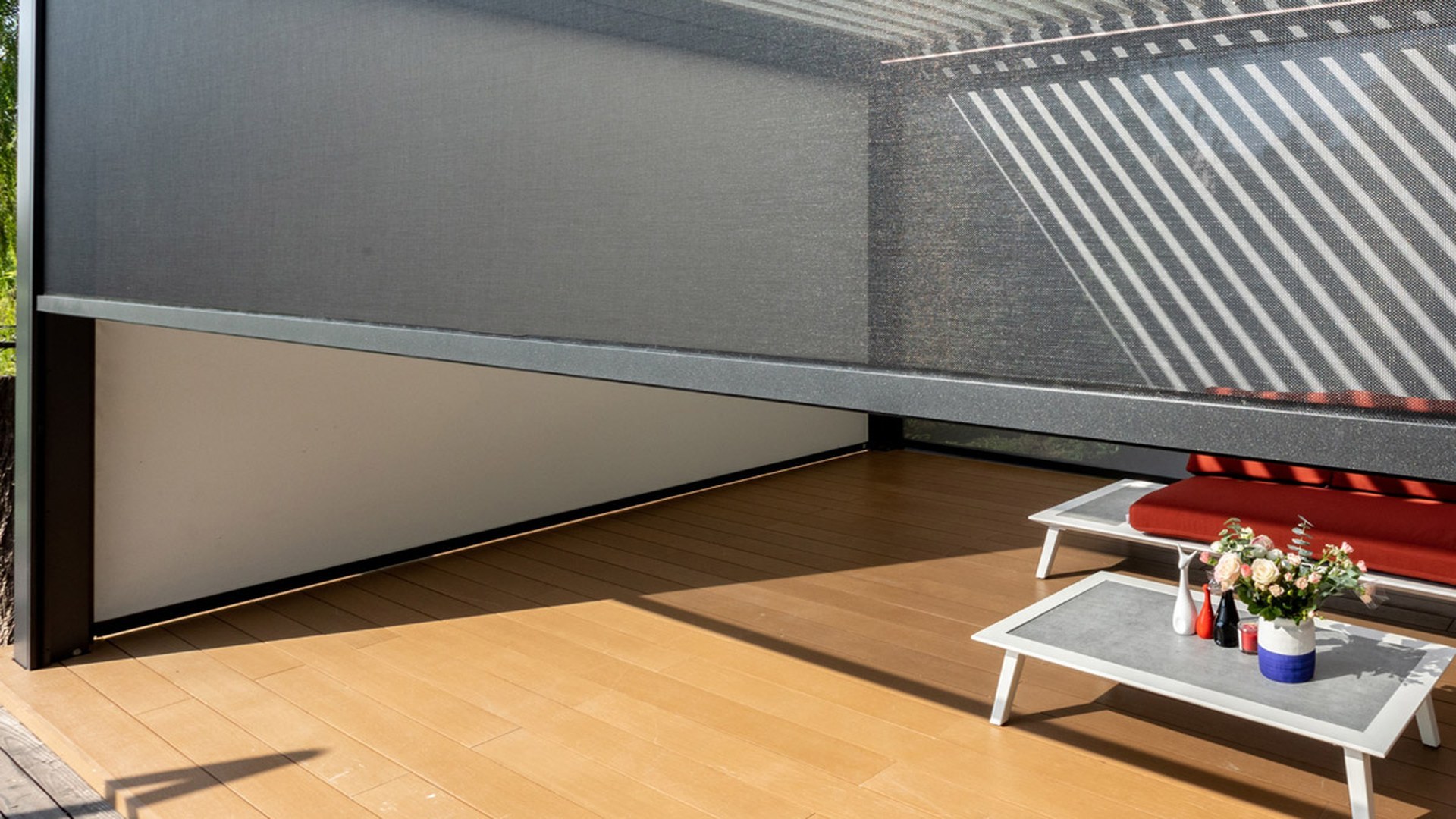
Glass, Blind and Control: The Three Decisions That Set Performance
Three decisions sit above price on any integral blind window, and they are usually made in the wrong order. The glass decides what the unit can survive and how much heat it lets through before the blind does anything. The blind — venetian, pleated or honeycomb — decides how the light is controlled and how much of the view survives. The control decides whether anybody uses the blind at all. The integral blinds windows sold factory-direct are configured in that order, and an order that skips a step tends to come back as a site problem rather than a factory problem.
Glass: the unit the blind lives in
The glass in an integral blind unit is doing two jobs: the normal one of keeping weather out and heat in or out, and the new one of protecting a mechanism for a decade. Our published glass standard for the range is AS/NZS 2208, AS 4666, CE and SGCC, which is the envelope a specifier needs to check against the project's own certification rather than a substitute for it. Whether the unit is toughened, laminated or a combination is decided by the same logic as any other window — overhead glazing, human impact, bushfire exposure, acoustic requirement — and not by the blind.
Two details are specific to this product and worth writing into the order. The first is the cavity: a blind needs a defined cavity width, and both panes have to be sized for the cassette, not for clear glass. The second is the edge: the control has to enter the unit somewhere, and wherever it enters is a potential seal failure. Ask for the section drawing at the control entry point, not just the elevation. A supplier who has that drawing will send it the same day; a supplier who does not has not built many of these.
Blind: venetian, pleated or honeycomb
The venetian is the default for a reason. Aluminium slats tilt and stack, so the same unit can give a view, a diffused light and a privacy position without any fabric in the cavity. Our own range lists aluminium venetian blinds as the base product, in white, silver, grey, brown and black, which covers the colours that matter against a white, grey or anthracite frame. The weakness of the venetian is that "closed" is not "blacked out", and that a slat stack occupies part of the glass even when fully raised.
The pleated and honeycomb options are the answer when the brief is softness, insulation or blackout. A honeycomb cell traps air and improves the thermal performance of the assembly, and a pleated fabric in a tight weave gets much closer to dark than any venetian. Our range lists a honeycomb curtain as an alternative to the venetian in both manual and electric versions, with published size limits of its own, which is the practical signal that it is a different mechanism rather than a fabric swap. The choice is usually made by the room rather than by the elevation: venetian where the view matters, honeycomb where the room has to be dark or quiet.
Control: handle, magnetic slider, motor or battery
The control is where most of the engineering risk sits, and it is the part buyers examine last. The simplest version is a single handle that folds, unfolds and tilts the slats in one movement, listed to 1,400 mm by 2,600 mm and 2.60 m². The next step is a double handle using magnetic coupling, which moves and turns the slats without a mechanical connection through the seal; it is listed to 1,500 mm by 2,800 mm and 3.00 m² and is the version that keeps a clean, handle-free appearance on the glass. Beyond that the control becomes electric: a low-noise motor inside the cavity, driven by a wall switch, a radio receiver or an app, listed to 3,000 mm by 3,500 mm and 6.00 m², with a battery-powered C-series version at the same envelope for retrofits and for openings where no cable can be run.
The rule of thumb that saves most projects is to match the control to the height of the opening and to who operates it. A 2.4 m bathroom window with a manual handle is fine if the handle sits within reach; the same window above a bath on a 3 m wall is not, and the electric or battery version is the difference between a blind that is used and one that stays down permanently. Control is also the first thing to test on a sample — not once, but through twenty full cycles — because a mechanism that binds at the end of its travel in the factory will bind worse once it is in a wall.
Size limits, and what they mean for a schedule
Every control type publishes an envelope, and the envelope is the most useful number on any integral blind datasheet. Our own range publishes four: 1,400 mm by 2,600 mm for the single-handle manual, 1,500 mm by 2,800 mm for the double-handle and manual honeycomb versions, 2,000 mm by 3,000 mm for the electric honeycomb, and 3,000 mm by 3,500 mm for the electric venetian and the battery C-series. Minimum sizes are 200 mm by 200 mm for manual and 280 mm by 300 mm for electric.
Those numbers do two jobs in a project. They tell the designer whether the opening on the elevation can take the blind without being split into two, and they tell the buyer whether a schedule with mixed sizes can all be supplied from one control type. A tall narrow window and a wide low one that look similar on a drawing can land on opposite sides of a limit, and finding that out after the frames are ordered is expensive. The practical instruction is to send the opening schedule with the enquiry rather than a photograph, which is the same instruction that governs any custom window order and is explained in how to measure window and door openings.
Certification, Test Evidence and the Questions That Decide an Order
Certification is where integral blind projects are most often misread, because the document that gets forwarded is usually a window system certificate or a glass certificate, and the product being ordered is a sealed unit with a mechanism inside it. Buyers comparing integral blinds windows should treat every certificate as a question rather than an answer, and the question is always the same: does this document cover the size, the glass, the control and the fixing condition I am ordering?
What AS2047, NZS4211, Miami-Dade and AS/NZS 2208 actually cover
AS2047 is the Australian window standard and NZS4211 the New Zealand one; both test a complete window assembly for structural and water performance, and both attach to the tested configuration rather than to a profile. What a certificate under each actually asserts, and how they differ, is set out in AS2047 and NZS4211 compared. In North America the equivalents are NFRC rating, ENERGY STAR qualification and, on the Florida coast, Miami-Dade product approval, explained in the NFRC, ENERGY STAR and Miami-Dade guide. Glass standards are a separate layer again: AS/NZS 2208 covers the safety glazing of the panes, AS 4666 the insulating unit, and both are quoted for this product family alongside CE and SGCC.
Our own position is stated the same way. The window systems are tested to AS2047 and NZS4211 and the range includes Miami-Dade approved impact products, but each approval attaches to the specific tested configuration and product it was issued for. An integral blind changes the unit: thicker cavity, different weight, a control penetration. A certificate for the same frame with clear glass is evidence about the frame, not about the blind. Anyone who tells you a system certificate covers every integral blind window built from the same extrusion has told you something the certificate does not say. The certificate family itself is on the AS2047 certificate page and the Miami-Dade approval page.
Ten questions to send with the enquiry
- Is the blind your own mechanism or a bought-in system, and whose name is on the warranty for the mechanism?
- What is the cavity width and the overall unit thickness with the blind fitted?
- Which control is quoted, and what is its published maximum width, height and area?
- Where does the control enter the unit, and what is the seal detail at that point?
- What glass build-up is quoted — toughened, laminated, coated — and to which standard?
- Does the frame section accept the thicker unit without changing the sightline?
- Is the blind tested through a stated number of cycles, and can I see the report scope page?
- Which certificate covers this exact size, glass and control configuration?
- How is the unit packed so the cassette and the slats survive sea freight?
- What is excluded — frame, cill, trims, installation, sealant, commissioning — and what does a sample include?
Three checks you can do without the supplier
First, the arithmetic: add the frame face widths across the elevation and check them against the structural opening. A schedule that only works if frames are butted with no setting allowance has been drawn by someone who has not installed one. Second, the sightline: compare the frame section proposed for the blind unit with the section used on the clear windows beside it. If the two do not line up, either the sightline steps or the frame has been swapped for a deeper one at the last minute, and both show up as a visible ledge on site. Third, the paper trail: ask for the control-entry section and the unit build-up before the order. A manufacturer who has them sends them without a meeting.
Why a sample unit is the cheapest test
An integral blind is the one product in the window package that cannot be adjusted on site, so a sample buys more information per dollar than any other step in the process. A single unit, freighted and unpacked, tests three things a photograph cannot: whether the slats arrive parallel and still level after a sea freight cycle, whether the control travels its full range without binding, and whether the cassette fits the frame depth that was actually built. On a project with a hundred openings, one sample is a rounding error; on a project with ten, it is the only cheap way to find out that the cavity and the frame section disagree. Those units can be ordered from built-in blind windows at MOQ one, and the mechanics of a first order are set out in the import guide referenced at the end of this article.
About ROPO Windows
ROPO Windows is a door and window manufacturer based in Fuzhou, Fujian Province, China, with 16 years in the trade and customers in more than 100 countries. Integral blinds windows run through the same profile preparation, glass procurement, assembly and export packing operation as the casements, awnings, sliders and doors beside them, which is the practical reason a mixed elevation can arrive as one schedule: the blind units and the clear units next to them are cut to the same tolerance, finished in the same colour and crated together.
Where the integral blind range sits
The range is published under the sunshade series as the integral blind system, with the aluminium venetian as the base product and a honeycomb curtain as the alternative, in manual, electric and battery-powered versions. Because the blind is built into the sealed unit rather than added to the frame, it can be fitted to any of the window types the factory already makes: aluminium casement windows, aluminium awning windows, aluminium sliding windows and aluminium fixed windows, and to the door ranges where a glazed leaf needs the same treatment.
That matters more than it sounds. On a real elevation the blind is rarely wanted on every opening. A west-facing living room wants it, the north-facing hallway does not; a bathroom wants it, the garage does not. A factory that builds both the blind unit and the clear unit can supply one schedule in one finish, which avoids the sightline mismatch that appears when a blind unit is bought from one supplier and the clear units from another. The umbrella ranges are the custom aluminium window range and the custom uPVC window range, and the material and colour pages sit alongside them.
What a factory-direct order does and does not remove
Buying factory-direct removes a layer of markup and a layer of interpretation between the drawing and the glass. It does not remove the building work. Opening preparation, flashing, sealant, installation and site handling remain site responsibilities in most contracts, and on an integral blind elevation those are the parts that decide whether the unit stays dry. What changes is who answers for the parts that are made together: the frame, the sealed unit, the blind, the control and the crate come from one factory to one schedule, and the answer to "why does the control on this unit sit higher than the one below" comes from the people who assembled both.
That suits buyers with a competent installer and a dimensioned schedule, and it is the wrong route for a project that needs a warranty holder on the same street. Dealers and distributors who want to test the relationship at a larger scale can start on the dealer and wholesaler programme page, Australian projects can check the Australia page for local support, and background on the company and the plant is on the factory page.
Warranty, minimum order and payment protection
Import and project buyers usually want four things from a factory before they commit, and all four are answered here rather than in a sales call. The first is a warranty: ROPO products carry a 10-year warranty, with the terms listed on the warranty list. The second is a minimum order small enough to test: MOQ is one unit, so a single integral blind window can be built, shipped, unpacked and cycled before a container is committed — which matters more on this product than on a casement, because a mechanism that binds cannot be fixed on site.
The third is certification, and it needs to be stated precisely: the window systems are tested to AS2047 and NZS4211 and the range includes Miami-Dade approved impact products, but each approval attaches to the tested configuration and product it was issued for, so the evidence supplied has to match the size, glass and control being ordered rather than the system name on the brochure. The fourth is payment protection: orders can be placed under Trade Assurance, which keeps the payment schedule and the delivery terms in one record — useful when the blind units, the clear units and the doors have to arrive as one shipment.
Custom Production Process
Every integral blind unit starts from an opening schedule and an elevation drawing, not from a stock size and not from a photograph of a window someone liked. The process below is the one used for the windows built in the Fuzhou factory, and it is deliberately the same for a one-unit sample and for a container.
From drawing to released production
The first step is a drawing review, and on this product it is the step where most problems are caught. The structural opening, the frame size, the unit thickness with the cassette, the control type and its published size limits, the glass build-up, the colour, the handing and the fixing condition are checked against what can actually be built and against what the site can actually receive. Anything ambiguous is returned as a question before production is released, which is why a first order with a dimensioned schedule moves faster than one with a sketch and a promise.
Profiles are then cut and machined, the frame is assembled and checked for square against the diagonal, and the sealed unit is built with the blind and the control in the position the drawing shows. The control is operated through its full travel before the unit is glazed into the frame, because a mechanism that binds on the bench will bind worse once it is in a wall. Glass is cut to the released sizes with the edge condition specified for the approved build-up, and the unit is sealed, checked and labelled to the opening it belongs to rather than to a batch.
Five-step quality control
Inspection runs in five stages: incoming material and glass check, dimensional check against the released drawing including the diagonal, assembly check with the control operated and the blind cycled, finish and component check against the schedule, and a final packing and marking check before the crate closes. Each stage is recorded against the order and the record travels with the shipment, so a question raised after arrival can be traced to the stage that handled it. Personnel numbers are not published; what is published is the sequence, because the sequence is what a buyer can audit. The process behind it is described on the quality and certification page.
Traceability and the documents in the crate
A unit with a blind inside it is one item but not one component: frame, sealed unit, cassette, slats, control, seals and fixings are all matched to the opening, and on a multi-unit order they are matched to a position. Each unit is labelled to the order and to its place in the elevation, with the handing and the control height marked, so a site does not have to work out which unit belongs where by offering it up. On a hotel or hospital elevation that labelling is what keeps the sequence right, because the units for the first floor have to be identifiable before anything is lifted.
The packing list, the inspection record, the unit build-up schedule and the finish schedule are packed with the goods rather than emailed separately, which matters when the receiving party is the installer rather than the person who placed the order. Where a unit includes a factory-fitted screen, cill or cover, its fixing detail travels with it, because the installer on site will not have seen the drawing.
Packaging and Shipping
An integral blind unit is not fragile in the way a mirror is fragile; it is fragile in the way a mechanism is fragile. The glass can take a knock, the frame can take a knock, but a cassette that shifts inside the unit or a slat stack that racks against the spacer is a defect that cannot be corrected after arrival.
How a unit with a blind inside the glass is packed
Units travel upright and are blocked so they cannot rack, with the corners protected ahead of the faces and the control packed so that nothing bears on it. The crate is built to the height of the tallest unit rather than to a standard pallet, because a full-height unit packed in a short crate travels on its edge. Where a unit carries a battery-powered control, the battery is packed separately and labelled, since a battery that ships installed and discharges in transit arrives as a customer complaint rather than a warranty claim.
Three packing details are worth writing into the purchase order. First, whether units are crated by elevation and floor or by size, because a window is delivered to a position, not to a warehouse. Second, whether the cills, trims, screens and fixings travel in a labelled bag per opening. Third, whether the unit build-up and control type are marked on each unit, because on a project with two different blind specifications in the same elevation, one swapped unit is a performance failure nobody notices until the first summer. The packing method is described in the packaging guide.
Ports, containers and LCL
Shipments leave from Fuzhou or Xiamen, by full container or as LCL cargo consolidated with other orders, and the route is chosen against the destination port and the construction programme rather than by default. Integral blind units are bulky and do not nest, so the loading plan is about protecting the frames and about the order of unloading: the elevations needed first should be the last loaded. Long runs are crated by elevation rather than by size, and the heaviest units travel where they can be braced rather than where they happen to fit.
Because the blind sits inside the glass, a container load of these units is also a load of sealed units, which means the loading plan has to avoid point loads on the glass and any stack that puts weight through the middle of a pane. That is standard practice for glazed product, and it is the reason the packing specification should be agreed before the first container rather than after the first claim.
What to write into the purchase order
Five clauses cover most of the risk. Name the control type and its size limit per opening, so that a substitution is a variation rather than a surprise. Name the glass build-up and the standard it is certified to. Name the unit thickness, so the frame depth can be checked against the wall. Name the crate marking convention, including elevation and floor. And name who inspects on arrival and within how many days, because a mechanism defect found in week one is a warranty issue and the same defect found in month six is an argument. Payment terms, shipping terms and the paperwork that goes with them are covered in the guide to importing windows and doors from China.
Integral Blind Window FAQ and Quote Request
Can integral blinds be retrofitted to an existing window?
Not by inserting a blind into the glass that is already there. The blind has to be built into the unit before the unit is sealed, so retrofitting means replacing the sealed unit — and that is only possible if the existing frame has the depth and the glazing detail to accept a thicker unit and a control. In practice a retrofit is a unit replacement plus a frame check, not an accessory. Where the frame cannot take it, the honest alternatives are an external screen or a surface-mounted cassette blind, and on a listed or heritage elevation that is usually the only route anyway.
Do integral blinds suit bathrooms, kitchens and hospitals?
They suit exactly those rooms, for the reason the product exists: nothing lands on the slats. A bathroom blind that never gets wet and a kitchen blind that never collects cooking grease are the two clearest cases, and a ward or a food production area where a dusty blind is a cleaning obligation is the third. The limits are practical rather than hygienic: a bathroom window is often small, and the minimum size for a manual unit is 200 mm by 200 mm, while the control has to be reachable from the floor or from the bath. Those two constraints decide the configuration more often than the glass does.
How long do the blinds last, and what fails first?
No honest manufacturer publishes a service life in years, and any figure quoted without a test method should be treated as marketing. What can be said is what fails first, and it is almost always the control rather than the slats: a cord that stretches, a magnetic slider that loses its grip, a motor that stops at the end of travel, a seal that lets moisture reach the mechanism. That is why the questions worth asking are about cycle testing, about the seal detail at the control entry, and about what the warranty covers — mechanism, unit or both. Our own warranty terms are on the warranty list, and the maintenance that keeps a unit serviceable is covered in the maintenance guide.
What do you need for a quotation?
Send the opening sizes with width, height and sill height for each unit, the wall construction and reveal depth, which openings need the blind and which do not, the control you want or the height that has to be reached, the glass requirement, the colour, the destination port, and whether the order is a sample, an LCL shipment or a container. A dimensioned schedule is worth more than a photograph, and the difference between a hole size and a frame size is explained in the measuring guide referenced above.
For a project already in progress, the fastest route is to send the elevation with the blind openings marked and let the factory come back with a unit schedule, a control recommendation against the published size limits and a quotation against both. Most integral blinds built to order are priced from a schedule; fewer come back with the control-entry detail and the crate plan already resolved, which is the part of the quote that decides whether the units arrive usable. If the windows are part of a larger package — clear units, doors, or a hotel elevation with a documented programme — say so in the first message: commercial and multi-unit sourcing runs on different paperwork. For a single elevation the quickest start is the quick selection and quotation form, and for anything else send an inquiry.
If you are still deciding between shading strategies rather than between manufacturers, write down what the opening has to do before you look at a catalogue: stop the sun before it reaches the glass, control glare without losing the view, guarantee privacy at night, or keep a wet room dry. External screens answer the first, integral blinds answer the second and third, and a shutter answers the fourth better than either. Where the brief includes storm protection as well, the impact range and the shutter comparisons linked above are the right next read — and where it includes a walk-through of the windows with integrated blinds in this article, the range page is the place to start.